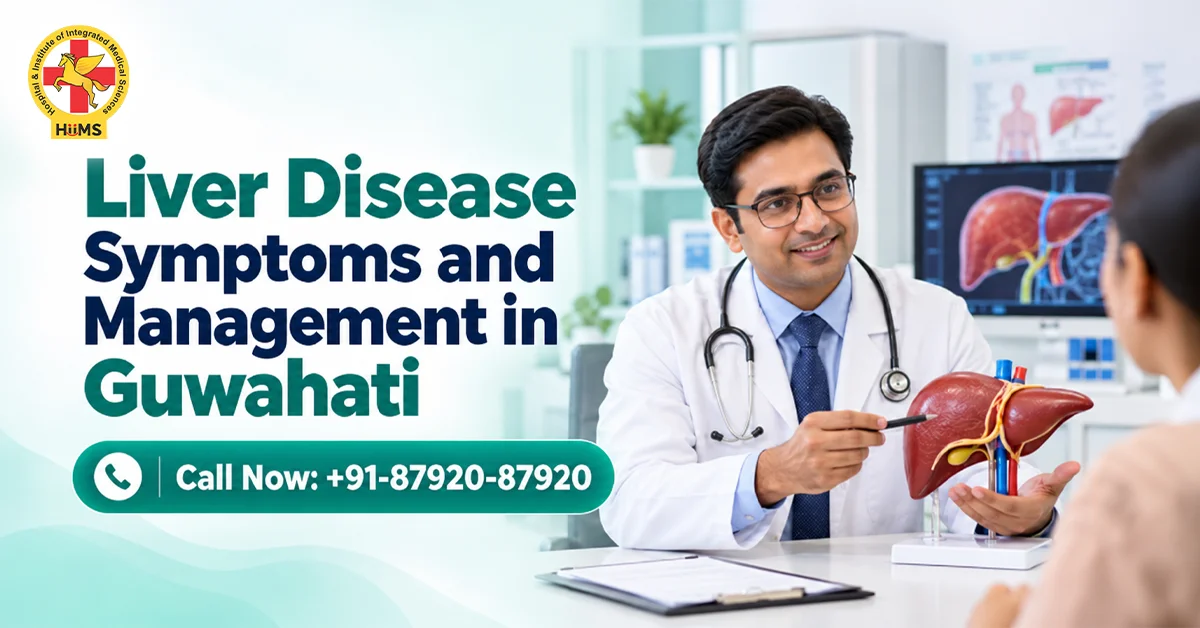

The liver performs the several important jobs in the body. It helps digest food, processes nutrients, stores energy, and removes harmful substances from the blood.
Still, certain things can damage it, such as unhealthy eating, excess body weight, drinking alcohol, viral infections and some medicines. Because the signs are easy to miss, many people only find out once the condition has become serious.
If you are searching for liver disease symptoms and treatment, learning the early warning signs is a good first step. These often include constant tiredness, poor appetite, yellowing of the eyes, dark urine, and pain or discomfort in the upper right part of the abdomen. Fatty liver disease, in particular, may show no obvious signs at first.
The right care plan depends on what caused the problem and how far it has progressed. At Jeena Sikho HiiMS Guwahati, patients are provided with proper guidance as per their individual condition so that they know what to do next in a much better way.
Why Fatty Liver Disease Is a Growing Health Concern
A January 2026 review in the Egyptian Liver Journal looked at fatty liver disease in Northeast India. Its authors work at Assam Don Bosco University and Baptist Christian Hospital in Tezpur, Assam.
The review found that lifestyle and diet changes linked to urbanisation have raised metabolic risks in the region. These risks include obesity, diabetes and high blood pressure, which often go together with fatty liver.
What Causes Liver Problems?
Daily habits play a role, but infections, inherited conditions, and some medicines can also damage the liver.
- Heavy drinking over many years
- Fatty liver from weight gain, diabetes and a poor diet
- Hepatitis B and C infections
- Overuse of painkillers and other medicines
- Family history of liver illness
The World Health Organization estimates that about 254 million people lived with hepatitis B and 50 million with hepatitis C in 2022.
Liver Disease Symptoms: Warning Signs to Notice
Liver disease may stay hidden in its early stages. Still, some changes in the body deserve attention.
- Constant tiredness and weakness
- Yellow skin or eyes, called jaundice
- Dark urine and pale stools
- Pain or swelling in the upper right belly
- Nausea and loss of appetite
- Itchy skin without a clear reason
- Swollen legs or ankles
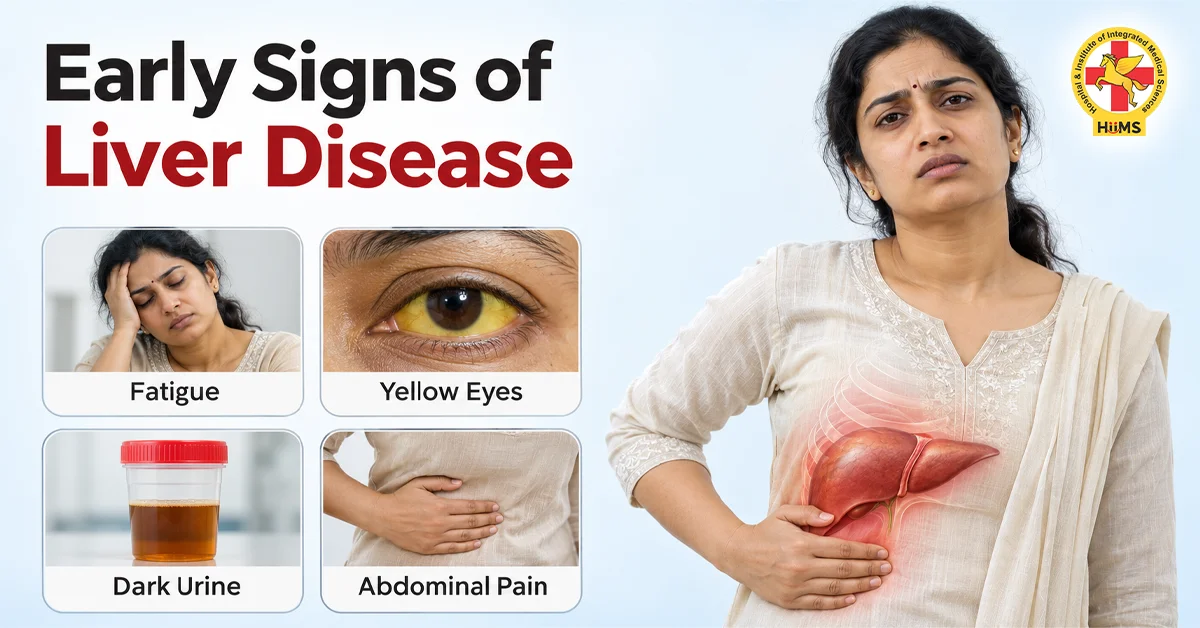
These symptoms do not always mean liver disease. However, ongoing symptoms need proper assessment.
How Doctors Diagnose Liver Disease
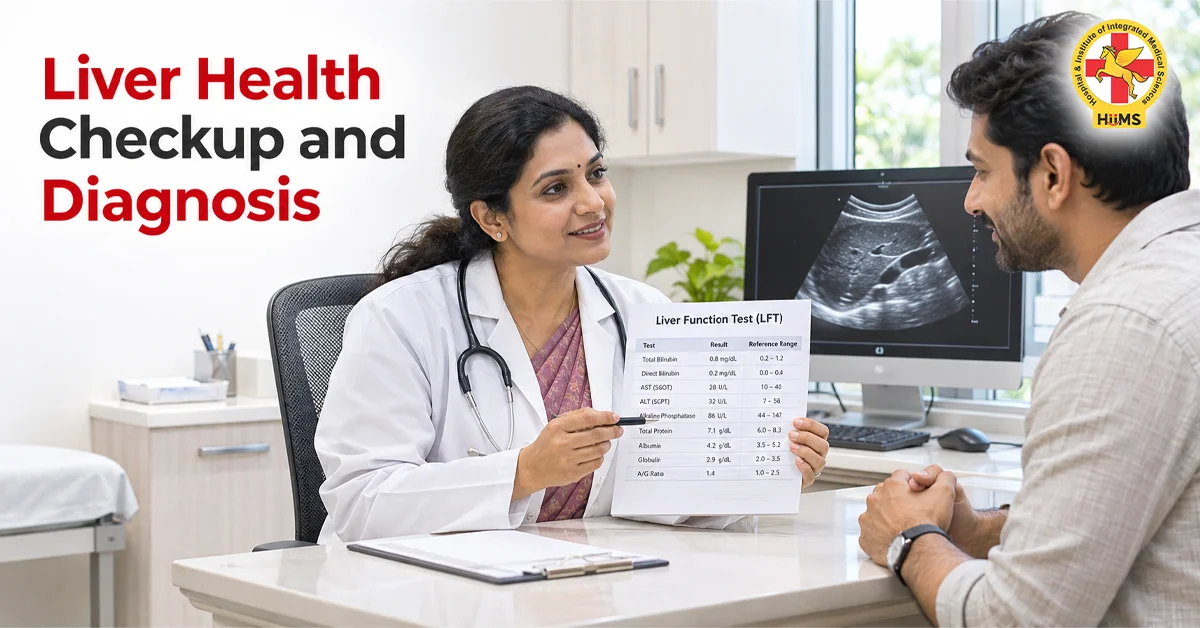
Doctors usually begin by asking about your history, food habits, and daily routine. They then advise simple tests, such as liver function blood tests and an ultrasound.
Early checks make liver disease symptoms and treatment far easier to plan. Never guess at home. A proper diagnosis comes first.
The Limits of Conventional Medicines
Modern medicines are useful in emergencies and serious infections. But the liver has to process almost every tablet you take, which adds extra work to an already tired organ.
The NIDDK says that drugs and alcohol can harm the liver. Even common painkillers can cause damage when taken in high doses. Many people also have to take medicines for a long time, so the load on the liver stays high.
That is why more families are now looking for gentler options that support the body from within.
The Ayurvedic View of Liver Care
Ayurveda sees the liver as the center of digestion and metabolism. It links liver trouble to weak digestion, heavy food, and a disturbed routine.
Ayurvedic care focuses on fixing the cause, not only the sign. A balanced approach to liver disease treatment often includes:
- Simple, fresh, home cooked meals
- Herbs used by tradition, such as bhumi amla, kutki and punarnava
- Gentle detox methods such as Panchakarma under expert guidance
- Yoga, walking, and better sleep
Together, these steps aim to support the liver slowly and naturally, rather than rely on the quick fixes.
How Jeena Sikho HiiMS Guwahati Approaches Liver Care
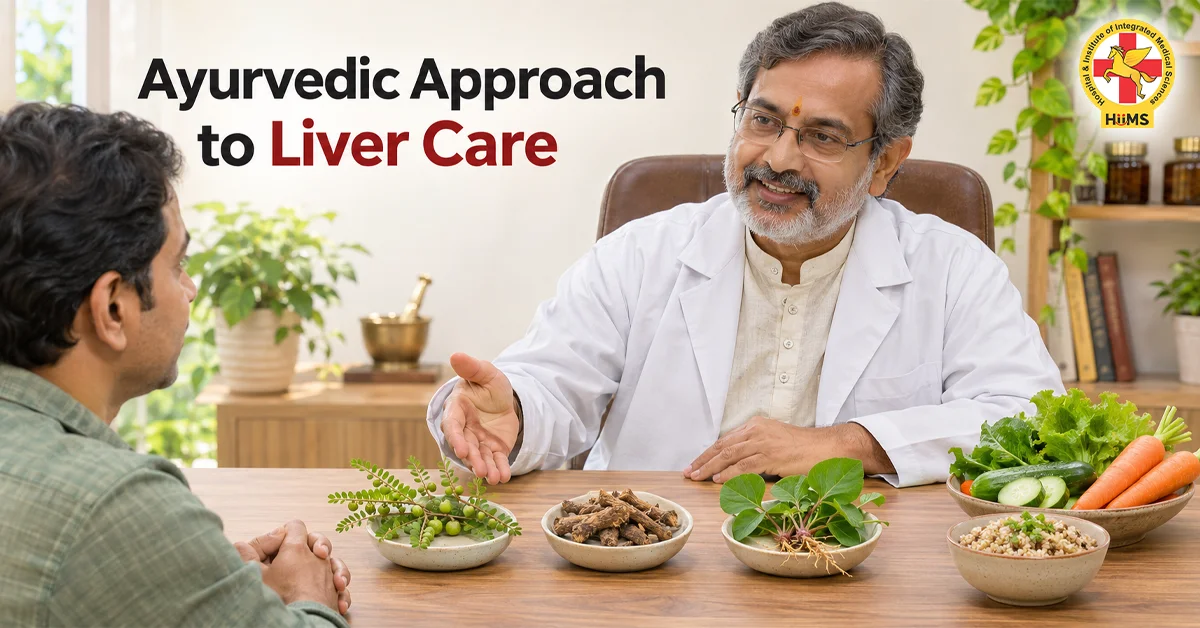
Liver Disease Care in Guwahati at Jeena Sikho HiiMS follows a care process that starts with listening. Doctors usually begin by understanding the patient’s medical history, lifestyle and individual health concerns before discussing suitable care options.
People searching for a liver specialist in Guwahati often want a plan that goes beyond tablets. A natural plan looks at diet, habits, and stress together.
Small Habits That Protect Your Liver
Your daily choices matter as much as any therapy. Try these steps:
- Cut down on fried and sugary food
- Avoid or limit alcohol
- Walk for 30 minutes most days
- Drink enough clean water
- Get a liver checkup once a year if you have diabetes or extra weight
Good habits make liver disease treatment work better together.
Conclusion
Liver disease symptoms and treatment depend on the cause and stage of the condition. Early signs may be mild, so timely assessment and regular monitoring matter. Healthy food, exercise, and careful use of medicines may help protect liver health.
Fatty liver treatment in Guwahati at Jeena Sikho HiiMS encourages people to understand their health needs and seek suitable guidance. Book a VOPD consultation to discuss your concerns and learn about available care options.

FAQs
1. Can liver disease occur without any symptoms?
Yes, especially fatty liver disease, which may show no clear signs in the early stage.
2. What causes liver problems?
Heavy drinking, fatty liver, hepatitis B and C, overuse of medicines and family history can all affect the liver.
3. Does dark urine always mean liver disease?
No, but if it continues for several days, it should be checked by a doctor.
4. Can fatty liver be managed with lifestyle changes?
Healthy food, regular activity, and weight control can help support liver health.
5. How does Ayurveda view liver health?
Ayurveda sees the liver as the centre of digestion and metabolism and links liver trouble to weak digestion and a disturbed routine.