
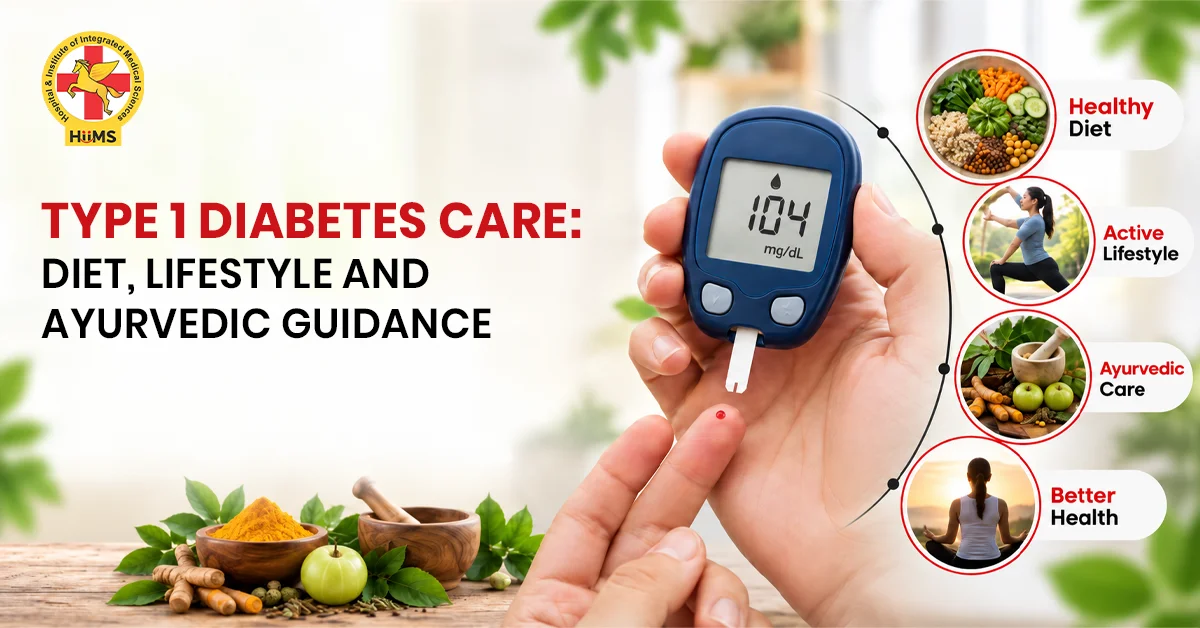
A child or young adult suddenly losing weight, feeling constantly thirsty, and being diagnosed with Type 1 diabetes changes a family’s daily routine almost overnight. Unlike Type 2, this isn’t something diet alone can manage; it’s an autoimmune condition where the body simply stops producing insulin. Genuine Type 1 diabetes care means understanding this clearly first: insulin isn’t optional here, and then building everything else, diet, daily routine, and supportive practices, around that reality.
This blog walks through what Type 1 diabetes actually involves, and how Ayurvedic guidance can genuinely support day-to-day management alongside insulin therapy.
What is Type 1 Diabetes? Understanding the Autoimmune Basis
Type 1 diabetes results from the autoimmune destruction of the pancreas’s beta cells, the cells responsible for producing insulin. People with type 1 diabetes need insulin to survive, either by daily injection or continuously via an insulin pump.
This is different from type 2 diabetes, where the body still produces insulin but doesn’t use it effectively. Roughly 23 million adults in the US alone have been diagnosed with diabetes across both types, and Type 1 typically develops earlier in life, often in childhood or adolescence, though it can appear at any age.

Type 1 Diabetes Symptoms Worth Recognising
Recognising Type 1 diabetes symptoms early genuinely matters, since delayed diagnosis can lead to serious complications:
- Excessive thirst and frequent urination
- Sudden, unexplained weight loss
- Constant fatigue and weakness
- Blurred vision
- Increased hunger despite eating normally
- Fruity-smelling breath, which can signal a dangerous complication called diabetic ketoacidosis
If these symptoms appear suddenly, especially in a child, immediate medical evaluation is genuinely necessary rather than waiting to see if things improve.
Why Insulin is Non-Negotiable in Type 1 Diabetes Management
This needs to be said clearly before anything else. Type 1 diabetes management always includes insulin, since the body has lost its own ability to produce it entirely. No diet, herb, or lifestyle change replaces this.
What diet and lifestyle genuinely do is support how well insulin therapy works day to day, helping keep blood sugar more stable and easing some of the daily burden of managing this condition, but they work alongside insulin, never instead of it.
Type 1 Diabetes Diet: What Genuinely Supports Blood Sugar Stability
A thoughtful Type 1 diabetes diet focuses on consistency and balance rather than restriction alone:
- Consistent carbohydrate intake at each meal helps match insulin dosing more predictably
- Whole grains, vegetables, and lean protein over refined and processed food
- Regular meal timing, since skipped or delayed meals can cause dangerous blood sugar swings
- Awareness of how different foods affect blood sugar individually, since this genuinely varies person to person
Working closely with a diabetes educator or dietitian to understand carbohydrate counting and insulin timing matters far more here than following any generic diet plan alone.
Type 1 Diabetes Lifestyle: Daily Habits That Matter
Beyond diet, a few consistent habits support overall Type 1 diabetes lifestyle management:
- Regular blood sugar monitoring, since patterns shift with activity, stress, and illness
- Consistent physical activity, adjusted carefully around insulin timing to avoid low blood sugar
- Adequate sleep, since poor sleep genuinely affects blood sugar control
- Stress management, since stress hormones can raise blood sugar unpredictably
- Carrying fast-acting glucose at all times for managing sudden low blood sugar episodes
Is There a Role for Ayurveda in Type 1 Diabetes Care?
Genuinely, yes, but the role needs to be understood correctly. Ayurveda cannot restore insulin production once the pancreas’s beta cells have been destroyed, and no herb or therapy changes this underlying autoimmune reality.
What Ayurveda can offer is supportive care, helping with digestion, overall energy, stress management, and general well-being.
Need Help With Type 1 Diabetes Care?
Talk to our team to learn how Ayurvedic diet and lifestyle guidance can support your ongoing care.

Ayurvedic Guidance for Type 1 Diabetes: The pH-Balanced Plate System at Jeena Sikho HiiMS
At Jeena Sikho HiiMS Guwahati, the Ayurvedic guidance for Type 1 diabetes emphasises improving general digestion and metabolic equilibrium through Acharya Manish Ji’s pH-balanced plate system, which is based on two plates at each meal.
Plate 1 is generally seasonal fruits or a vegetable salad, as per the body weight. Plate 2 is a light home-style meal such as khichdi or a millet preparation. This structure supports steady digestion and consistent nutrition, working as a supportive layer around the patient’s prescribed insulin regimen, with all therapies and dietary guidance coordinated closely with the patient’s endocrinologist rather than replacing that ongoing medical relationship.

Type 1 Diabetes Care Tips for Daily Life
A few practical Type 1 diabetes care tips genuinely ease daily management:
- Keep a consistent daily routine for meals, activity, and insulin dosing
- Track patterns over time, noting what specific foods or activities affect your blood sugar
- Build a support system, family, doctors, and educators who understand your specific needs
- Stay updated on your insulin technique and equipment, since small adjustments can genuinely improve control
Conclusion
Living well with Type 1 diabetes care comes down to a genuine partnership between prescribed insulin therapy and supportive daily habits, diet, routine, and stress management working together, never one replacing the other.
If you want to explore how Ayurvedic guidance could support your existing insulin treatment plan, the team at Jeena Sikho HiiMS can walk you through what that could look like for your specific situation.

FAQs
1. What are helpful eating habits for Type 1 diabetes care?
Eat balanced meals with healthy foods, enough fibre and sensible portions to help support stable energy levels and better blood sugar control.
2. What is the difference between Type 1 and Type 2 diabetes?
Type 1 is an autoimmune disease. The body stops making any insulin at all. Type 2 is insulin resistant but some insulin is still being made by the body.
3. Can diet and lifestyle help manage Type 1 diabetes?
Yes, eating a healthy diet and staying active, getting enough sleep, managing stress and following a routine each day can help you better manage blood sugar and improve your overall health.
4. How can Ayurveda really help a person with Type 1 diabetes?
Provide dietary recommendations to complement prescribed insulin for improved overall daily well-being, promote digestion and stress management.
5. Should Ayurvedic guidance be discussed with a patient’s doctor?
Yes, always Ayurvedic practitioner guidance is essential for safe, effective Type 1 diabetes management.