
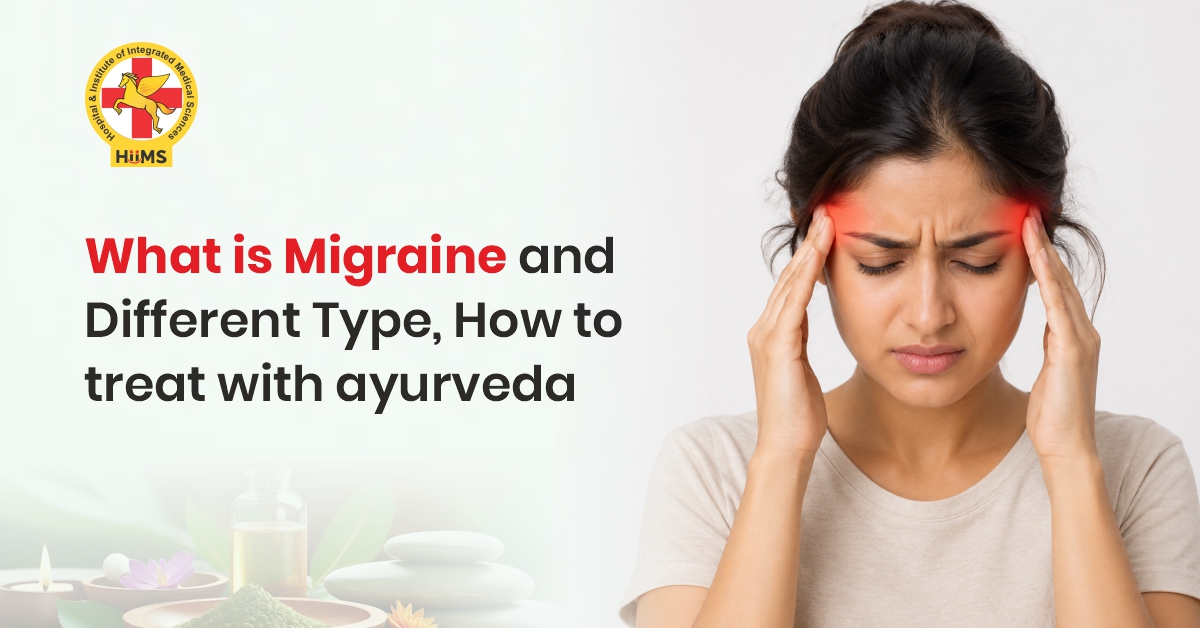

One day when you wake up, you notice that there is something wrong, and you think it is just a regular headache. However, you brush it off and continue with your daily activities. Over time, you realise that the intensity of your pain is rising. The pain becomes severe and then affects only one part of your head.
Your stomach may feel uneasy, and all you want is to lie down in a quiet, dark room. If the experience feels familiar, then you already know this is not just a headache. It is a migraine, and it can completely take over your day.
The real problem begins when it keeps coming back. Painkillers may give short relief, but the problem does not truly go away. This is where a different perspective becomes important. In Ayurveda, migraine is termed as Ardhavabhedaka, meaning pain on one side of the head.
Unlike Western medicine, which views migraines solely as a problem with the brain, Ayurveda ties migraines with digestion, lifestyle, and internal imbalance. An imbalance of the doshas, Vata and Pitta, causes this problem. In this blog, you will understand migraine symptoms, causes, and a more root-focused approach to migraine treatment.
What Causes Migraine?
There is never a single cause for any problem or a single reason for a headache. It usually depends on a variety of internal and external influences. Migraine may be induced by poor eating habits, extended periods without food intake, and sometimes bad sleeping habits. Other times, individuals suffer from migraines because of the stresses of daily life, too much screen time, and strong odors.
In Ayurveda, these triggers are considered factors that disturb dosha balance and create toxins, also called ama, which then travel upward and affect the head. Digestive health plays a bigger role than most people think. When digestion is weak, toxins accumulate, and over time, they may start showing up as recurring migraine headache symptoms.
Common Signs and Migraine Symptoms
Migraine symptoms don’t look the same for everyone. Still, there are some patterns you may notice. The most common one is a pulsating or throbbing headache, usually on one side. Along with that, many people feel nausea, sometimes even vomiting. Sensitivity to light and sound is quite typical too.
Some people get an indication prior to the onset of a headache as flashing lights, blurring vision, or tingling sensations in their hands. This condition is often referred to as an aura. In day-to-day observation, migraine headache symptoms may also include irritability, fatigue, or even difficulty concentrating. These signs often make it clear that it’s more than just a usual headache.
Different Types of Migraine
Understanding the type helps in choosing the right migraine headache treatment approach.
Migraine Without Aura
It is the most common form. It is characterized by pain on one side of the head and accompanied by vomiting and sensitivity, but there are no prior indications.
Migraine With Aura
The second variety includes neurological symptoms prior to the onset of the headache. One may see visual effects or feel some numbing sensations.
Vata-Type Migraine
Generally, vata-type migraine can be associated with dryness and irregularity. The pain is felt as sharp or stabbing. It can also be accompanied by anxiety and insomnia.
Pitta-Type Migraine
Pitta-type migraines are accompanied by burning pain or a sharp headache sensation. Acidity and irritability are also frequent features of this condition.
Kapha-Type Migraine
Kapha-type migraines can be described as dull and congestive. One may feel lethargy and nausea.
All these forms of migraine are caused by different reasons; therefore, only one medicine is not enough.
Each type reflects a different imbalance, which is why a single migraine medicine approach may not work for everyone.
Migraine Treatment in Ayurveda
Ayurveda focuses on correcting the root imbalance rather than just suppressing symptoms. Therefore, the migraine therapy always consists of detoxification procedures combined with calming ones.
1. Panchkarma and Detoxification
Ayurveda focuses on correcting the root imbalance rather than just suppressing symptoms. Therefore, the treatment of migraines always consists of detoxification procedures combined with calming ones. In case the condition is chronic, Panchkarma methods are applied.
Nasya: Medicated oils are dropped into the nasal cavity. Such procedure is used for treating head diseases and can eliminate toxins from the body.
Shirodhara: Warm oil is poured on the forehead. It has a calming effect.
Virechana: A procedure that allows one to eliminate the excess of Pitta from the body.
These methods are part of structured migraine therapy and are usually done under expert guidance. At places like Jeena Sikho HiiMS, these therapies are usually done under proper supervision, based on the person’s condition rather than a fixed routine.
2. Herbal and Internal Support
Certain herbs are traditionally used in migraine headache treatment.
- Use of Brahmi and Ashwagandha is common to pacify the mind and deal with stress.
- Pathyashadangam Kwath is one such formulation that helps in balancing the doshas.
- Inclusion of Sariva is beneficial where there is a high level of heat-related symptoms.
They do not provide immediate migraine relief but ensure a permanent cure for migraines.
3. External Applications
Simple therapies like applying herbal pastes (Thalam) on the scalp are also used. These help in reducing sensory overload and calming the head region.
Diet, Lifestyle, and Home Support
It is important to realise that daily practices can play a huge role here. Avoiding hot, greasy, or fermented foods is recommended since they will imbalance the Pitta dosha and make you vulnerable to migraine attacks. Perhaps, consuming cold foods such as cucumbers, coconut juice, or fresh fruits of the season would be more effective in this case. Being consistent here is of the highest importance.
Adhering to a specific regime of sleeping hours also seems to make a difference. Others use various home remedies for migraines; for instance, drinking herbal tea, maintaining adequate fluid intake, and doing breathing exercises. Though they cannot serve as an alternative to organised therapy, they will promote better well-being. Practising yoga and meditation will definitely help too.
Migraine Treatment at Home (Jeena Sikho HiiMS Approach)
At Jeena Sikho HiiMS, migraine treatment at home focuses on simple daily habits that are easy to follow but still make a difference over time. Basic remedies like ginger water can help when the head feels heavy, while drinking warm water in the morning keeps the system clear and reduces common triggers like dehydration.
Using a cool or warm compress on the forehead or neck is effective for relieving pressure, whereas a massage using oils in the temples and shoulders can effectively relieve muscle strain. Herbal tea made from tulsi or ginger is usually consumed.
Along with this, small routine habits matter eating meals on time, staying hydrated, avoiding spicy food, taking screen breaks, sleeping properly, and doing light stretching or breathing exercises. As shared by Acharya Manish Ji, a simple drink made by boiling neem leaves, giloy stems, and tulsi leaves in water can also be taken during headaches, as it may help cool the body and relax the head. Consistency with these steps is what usually brings gradual migraine relief.
When Should You Consult a Migraine Doctor?
Migraines that occur from time to time can be handled by regular practices, but migraines occurring more often or being severe should attract more attention. In the case where migraines interfere with the individual’s daily activities, or there is a sudden increase in their severity, it would be advisable to visit a migraine doctor.
Furthermore, when migraine medicine do not help reduce the pain, one should stop depending on them. Ayurvedic consultation focuses on identifying your body type and triggers, which helps in creating a more personalized migraine headache treatment plan.
Conclusion
Migraines may be hard to control, but they actually indicate imbalance in the body. A comprehensive strategy for migraine treatments, particularly through Ayurveda, will emphasize balancing rather than suppressing. Using the correct combination of practices, lifestyle changes, and diets, it is possible to experience migraine relief.
In case you want to adopt an organized method to deal with your condition, you should consult with Jeena Sikho HiiMS professionals. To make an appointment or seek advice from experts, you can dial +91 82704 82704 or send an email to care@jeenasikho.com.

FAQs
Q.1 What is the difference between a normal headache and symptoms of migraine?
Ans: A simple headache lasts only for some minutes, while a migraine headache tends to be very severe and unilateral, with associated sickness or vomiting.
Q.2 What is the mechanism of migraine therapy according to ayurveda?
Ans: Treatment of migraines in Ayurveda involves correcting imbalance of doshas and improving digestive processes. Detox treatments and herbal medicine are widely used in the case of migraines.
Q.3 Is there any benefit from using Panchakarma in migraine treatment?
Ans: Panchakarma is widely applied in chronic diseases, including migraines. Procedures such as Nasya and Shirodhara belong to the techniques that are used in migraine treatment.
Q.4 Are there any simple remedies for migraines?
Ans: There are some common home remedies for migraines that include drinking enough water, identifying food allergens, having a regular sleeping schedule, as well as having herbal tea.
Q.5 Under which circumstances should I see a doctor for my migraine?
Ans: It is necessary to see a specialist in migraines in case attacks happen frequently, last for a long time, are accompanied by severe pain, as well as disturb daily activities.