
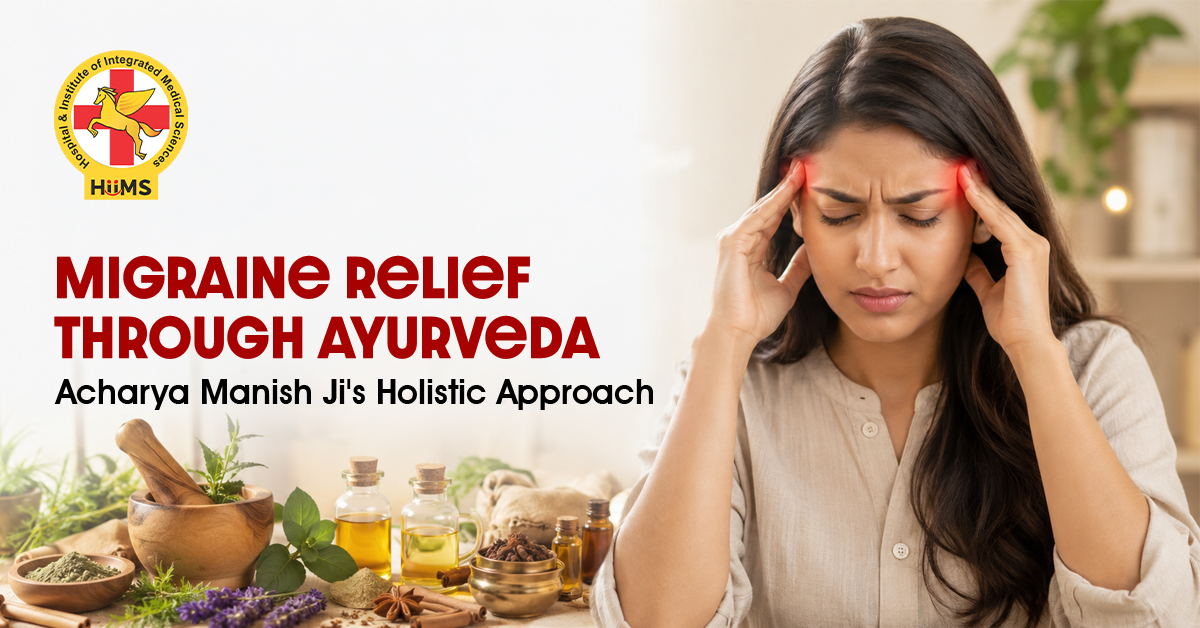
A migraine hardly ever stays confined to the head. It spreads into work meetings, family dinners, and even simple daily chores, leaving a person drained long before the actual pain goes away.
Most people run from one tablet to another chasing quick comfort, yet the same throbbing pain returns after a few weeks, often with greater intensity, along with other migraine headache symptoms building up quietly in advance.
This cycle continues because the underlying cause is never addressed. But Ayurveda looks at the body differently. Instead of suppressing the discomfort, it studies why the imbalance is happening and works on correcting it from within.
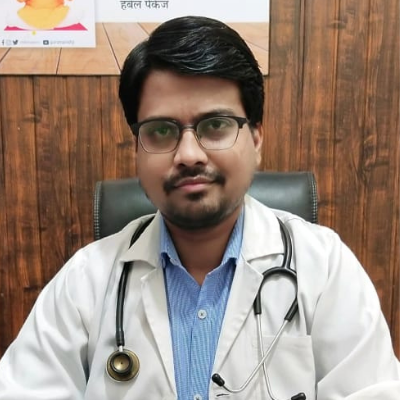
Acharya Manish Ji, a well-known personality in the field of Ayurveda known for his practical, nature-based healing philosophy, believes lasting migraine relief comes from restoring the body’s own rhythm.
In this blog, you will understand what contributes to migraines according to Ayurveda, the therapies that support healing, and daily habits that bring genuine comfort over time.
How Ayurveda Looks at Migraine Relief
Ayurveda connects most chronic head pain to a condition called Ama, which simply means undigested toxins accumulating inside the digestive system.
When digestion weakens, these toxins build up and disturb the natural flow of energy, eventually affecting the head region. An imbalance between Vata and Pitta doshas also plays a major role in resulting in repeated occurrences.
Irregular eating habits, broken sleep, constant mental stress, and sluggish digestion are common everyday factors that quietly feed this imbalance.
Rather than treating the pain alone, Ayurveda works toward restoring internal balance, so the body stops generating the same trigger again and again.
Acharya Manish Ji’s Holistic View on Migraine Relief
Healing Begins by Correcting Daily Habits
According to Acharya Manish Ji, the body naturally moves toward healing itself once its internal environment is corrected. His approach looks closely at food choices, sleep quality, daily lifestyle, digestive strength, and proper detoxification.
He often explains that recurring headaches are simply the body signalling an internal disturbance that has been ignored for too long.
Simple Natural Practices Shared by Acharya Manish Ji
Among the easy home-based routines he talks about, one popular practice involves Lower Leg Contrast Hot Water Therapy. A person keeps one foot in warm water, close to 40–42 degrees Celsius, and the other in cold water, switching feet every four to five minutes for about thirty minutes.
Acharya ji also mentions another version that is keeps both feet together in warm water for four minutes, then shifts to cold water for a minute. These are shared purely as supportive natural routines to try alongside proper guidance.
Watch this video:
Ayurvedic Therapies That May Help Support Migraine Relief
Panchkarma for Internal Cleansing
Panchkarma is often recommended for people dealing with repeated symptoms because it works on removing accumulated toxins from deep within the tissues.
This cleansing process also helps restore the balance between disturbed doshas, which is considered essential for long-term comfort rather than temporary relief.
Nasya Therapy for Head and Nasal Channels
Nasya involves administering herbal oil through the nostrils. Ayurveda considers the nose as a direct gateway to the head (नासा हि शिरसो द्वारम् – Nasa hi shiraso dwaram), and this therapy supports the cleansing of upper channels connected to the cranial region, easing pressure that builds up during an episode.
Shirodhara and Shiropichu for Relaxation
Shirodhara involves a continuous stream of warm herbal oil poured gently over the forehead, while Shiropichu uses an oil-soaked pad placed over the crown of the head.
Both are commonly used as part of a structured migraine therapy plan, and an experienced migraine doctor usually decides the right combination based on individual symptoms.
Everyday Habits That Can Complement Migraine Therapy
Small daily practices, followed consistently, can support the results of professional care.
Breathing through the left nostril (Chandrabhedi Pranayama) during a migraine is one such practice that is believed to calm the system quickly. Eating meals on time, staying well hydrated, and maintaining a fixed sleep schedule are also important.
Acharya Manish Ji often mentions a warm herbal decoction made using neem bark, giloy, and tulsi as a traditional preparation that many households prepare for gentle support that helps with migraine.
Such home remedies for migraines work best when practiced regularly rather than only during an active occurrence.
Why Jeena Sikho HiiMS Follows an Integrated Ayurvedic Approach
At Jeena Sikho HiiMS, every case begins with a detailed holistic assessment rather than a standard checklist. An Ayurvedic consultation looks into diet, sleep, stress, and digestion before any treatment plan is suggested. Lifestyle guidance is paired with Panchkarma therapies where needed, following the natural healing philosophy that the body heals best when supported correctly.
Since migraine symptoms vary from person to person, the care here stays individualised rather than one-size-fits-all.
Conclusion
A migraine is often more than just pain. It usually reflects a deeper imbalance building up quietly within the body. Ayurveda works on correcting that imbalance rather than masking it temporarily.
Acharya Manish Ji’s approach brings together diet correction, lifestyle changes, detoxification, and traditional therapies for lasting migraine relief.
For a migraine care plan suited to your own body, you can also opt for a VOPD consultation with expert doctors at Jeena Sikho HiiMS to understand your health concern in depth and begin a treatment path built around you.

FAQs
Q.1 What are the most common migraine symptoms?
Ans: Throbbing pain on one side of the head, nausea, and sensitivity to light or sound are among the usual migraine symptoms people notice.
Q.2 How is migraine different from a regular headache?
Ans: A regular headache stays mild and general, while migraine often brings intense, one-sided pain along with visual disturbance and nausea.
Q.3 Can Panchkarma be part of migraine therapy?
Ans: Panchkarma supports internal cleansing and dosha balance, making it a helpful addition within a broader migraine therapy plan.
Q.4 When should I consult a migraine doctor?
Ans: Frequent episodes, worsening intensity, or symptoms disrupting daily routine call for guidance from an experienced migraine doctor without further delay.
Q.5 Which home remedies for migraines are commonly recommended in Ayurveda?
Ans: Herbal decoctions with neem bark, giloy and tulsi, left-nostril breathing (chandrabhedi pranayama), and steady sleep routines are common home remedies for migraines in Ayurveda.