
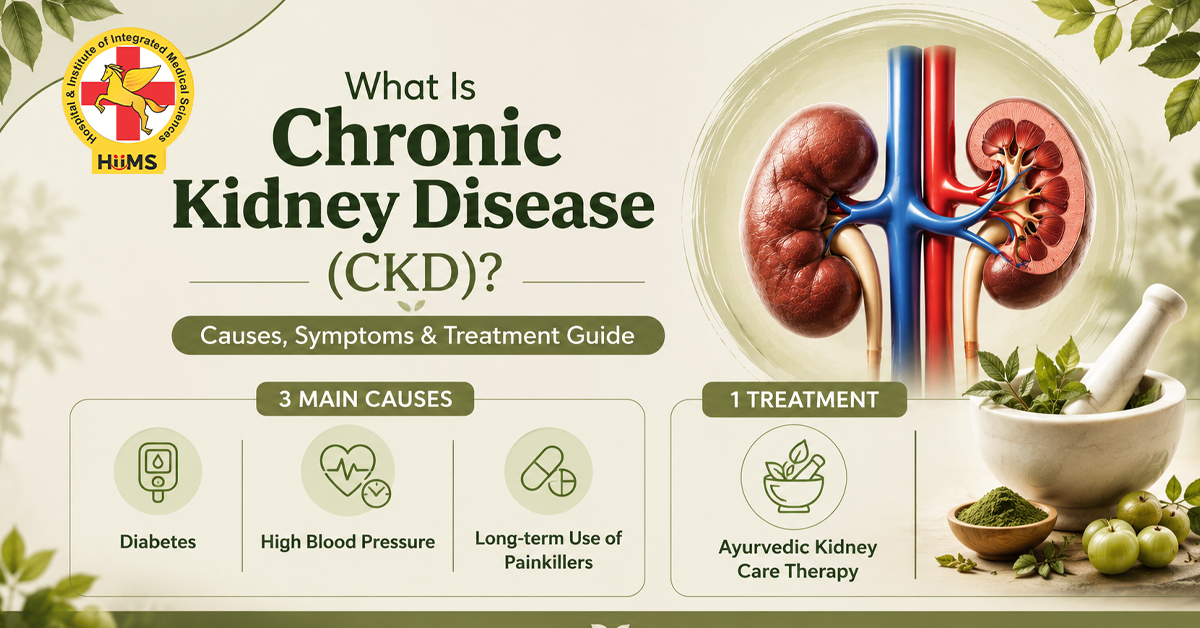
Your kidneys are two bean-shaped organs working quietly around the clock behind your lower ribs. Every single day, they filter liters of blood, remove metabolic waste, balance essential fluids, and help regulate blood pressure. Because they perform their duties without any obvious sensation, most people rarely think about their kidney health until a problem arises.
When kidney tissue suffers long-term damage, its ability to filter waste drops significantly. Understanding how these organs function and recognizing early warning signs of chronic kidney disease are the most effective way to protect your long-term vitality.
What Is Chronic Kidney Disease
Chronic kidney disease is a long-term medical condition characterized by a gradual loss of kidney function over several months or years. Unlike sudden kidney injuries caused by accidental trauma or severe dehydration, this condition develops slowly and quietly over time.
When your kidneys are working normally, they are like a fine mesh sieve. They remove extra water, salts, and waste products in your urine but keep important proteins and red blood cells in your bloodstream. When chronic kidney disease sets in, the filtering units sustain physical damage. Over time, toxic metabolic wastes such as urea and creatinine tend to accumulate in the bloodstream rather than being naturally excreted.
Main Chronic Kidney Disease Causes
Understanding why kidney damage occurs helps you take practical preventive measures. In most cases, kidney damage is the downstream result of unmanaged chronic health issues that put continuous strain on delicate renal blood vessels.
The primary chronic kidney disease causes include the following:
- Uncontrolled High Blood Sugar: Consistently high blood sugar levels damage the tiny blood vessels inside the kidney filters, forcing them to work harder and wear out faster
- High Blood Pressure (Hypertension): When blood pressure is not controlled, it puts a physical force against the delicate arteries in the kidneys, which can become stiff and narrow over time
- Glomerulonephritis: Inflammation of the filtering units of the kidney, often due to autoimmune problems or an imbalance in the immune system.
- Polycystic Kidney Disease: A genetic disease in which fluid filled cysts develop in the tissue of the kidneys, slowly squeezing out healthy working areas.
- Excessive Use of Painkillers: Taking common painkillers too often lowers blood flow to your kidneys which causes gradual damage over time.
Early Warning Signs: Chronic Kidney Disease Symptoms
In its earliest stages, kidney damage rarely causes pain or obvious illness. The body adapts remarkably well, which is why early warning signs are frequently overlooked or mistaken for general fatigue.
As waste and excess fluid begin to accumulate, noticeable Chronic Kidney Disease symptoms start to appear:
- Fluid Retention & Swelling (Edema): Unfiltered fluid gathers in the lower extremities, leading to swollen ankles, puffy feet, tight hands or morning puffiness around the eyes.
- Chronic Fatigue & Brain Fog: Toxic waste in your blood may drain your energy cause weakness and make it hard to concentrate.
- Loss of appetite & nausea: A constant metallic taste in your mouth, bad breath, or morning sickness from blood toxins (uremia) that have accumulated.
- Dry, Itchy Skin: Imbalanced mineral and fluid levels in the blood often cause severe, deep skin itching that surface creams fail to soothe.
How Chronic Kidney Disease Progresses
Doctors measure kidney health using an eGFR score which indicates how efficiently your kidneys filter blood.
Kidney damage progresses through five distinct stages
- Stages 1 & 2: Slight damage and filtration nearly normal. At this point there are usually zero physical symptoms.
- Stage 3: Slight decrease in filtering ability. Fluid swelling and fatigue often begin to show.
- Stage 4: Severe reduction in kidney function. Waste build-up becomes noticeable, requiring immediate clinical care to preserve remaining tissue.
- Stage 5: Also known as chronic kidney failure or end stage renal disease (ESRD). Now the kidneys can no longer on their own meet the basic filtration needs of the body.
Reaching Chronic kidney failure is not inevitable. Early detection of damage and implementing lifestyle interventions can slow progression and maintain comfortable living.
Ayurvedic Care: A Holistic Approach to Kidney Health
Conventional approaches often rely on long term pharmaceutical management to control blood pressure and sugar. While these manage immediate risks, heavy drug routines can show side effects on an already weakened filtration system.
Ayurveda views kidney health from a root cause perspective. Ayurvedic therapies are more concerned with reducing fluid pressure, removing metabolic toxins and nourishing kidney tissue in a natural way rather than just symptom control.
The GRAD System
One of the most effective non-invasive frameworks for managing kidney strain in Ayurveda is the Gravitational Resistance and Diet (GRAD) system:
- Hot Water Immersion Therapy: Sitting in a temperature-controlled water tub up to neck level utilises hydrostatic water pressure. This gently pushes excess fluid out of swollen tissues back into circulation, opens skin pores, and uses sweat as an alternative pathway to flush out urea and toxins taking direct strain off the kidneys.
- Head-Down Tilt Therapy: Lying on a specially angled bed with the head tilted downward uses gravity to redistribute blood flow toward the heart and kidneys, stimulating natural filtration mechanisms.
- pH Balanced Diet: A diet based on fresh green leafy vegetables and fruits. Balancing body pH reduces internal acidity, regulates blood urea levels and reduces the digestive load on the body.
Herbal Support
Natural Ayurvedic herbs like Punarnava, Gokshura and Varun help reduce swelling, flush out excess fluid, and naturally support healthy renal blood flow.
Panchakarma
Gentle, customised detox practices eliminate deeply stored toxins, clean internal bodily channels and reduce systemic inflammation without causing physical stress.
Balanced Lifestyle Practices
Treatment includes following proper hydration, light movement, adequate sleep and stress reduction techniques such as meditation and Pranayama. It keeps circulation smooth and prevents sudden spikes in blood pressure.
At Jeena Sikho HiiMS Derabassi , these Ayurvedic therapies are combined with modern diagnostics to deliver comprehensive Chronic Kidney Disease treatment.
Conclusion
Your kidneys work hard for you every day so it’s important to give them the proper support. Eating a clean plant based diet, avoiding heavy medications and using natural therapies are simple steps that will take the burden off of your body and improve the quality of your life.
If you are looking for clear, natural ways to care for your kidneys, Jeena Sikho HiiMS derabassi is here to support you. You can visit the hospital directly or book a VOPD (video consultation) to speak with a doctor from home.

FAQs
Q.1 What are the early Chronic Kidney Disease symptoms?
Early signs include mild swelling in the ankles or feet, subtle morning puffiness around the eyes, needing to urinate more often at night and unexplained daily fatigue.
Q.2 How does Hot Water Immersion therapy help patients with kidney strain?
Hot Water Immersion uses warm water temperature and pressure to open skin pores. This allows the body to sweat out accumulated toxins and excess fluid through the skin, relieving direct filtering pressure from the kidneys.
Q.3 What is the difference between stage 3 kidney damage and complete Chronic kidney failure?
Stage 3 means your kidneys still have moderate filtering capacity (30-59%) which can often be stabilised with diet and natural therapies. Chronic kidney failure (stage 5) means the kidneys work less than 15% and need intensive care.
Q.4 Can a pH-balanced diet help lower blood urea and creatinine levels naturally?
Yes. A pH balanced diet lowers acidic stress in the gut, reduces the production of metabolic waste products like urea and eases the workload on your digestive and renal systems.
Q.5 Can patients consult doctors at Jeena Sikho HiiMS Derabassi online through VOPD?
Yes, you can book a VOPD (video consultation) from the official website to consult an Ayurvedic doctor at Jeena Sikho HiiMS Derabassi.