
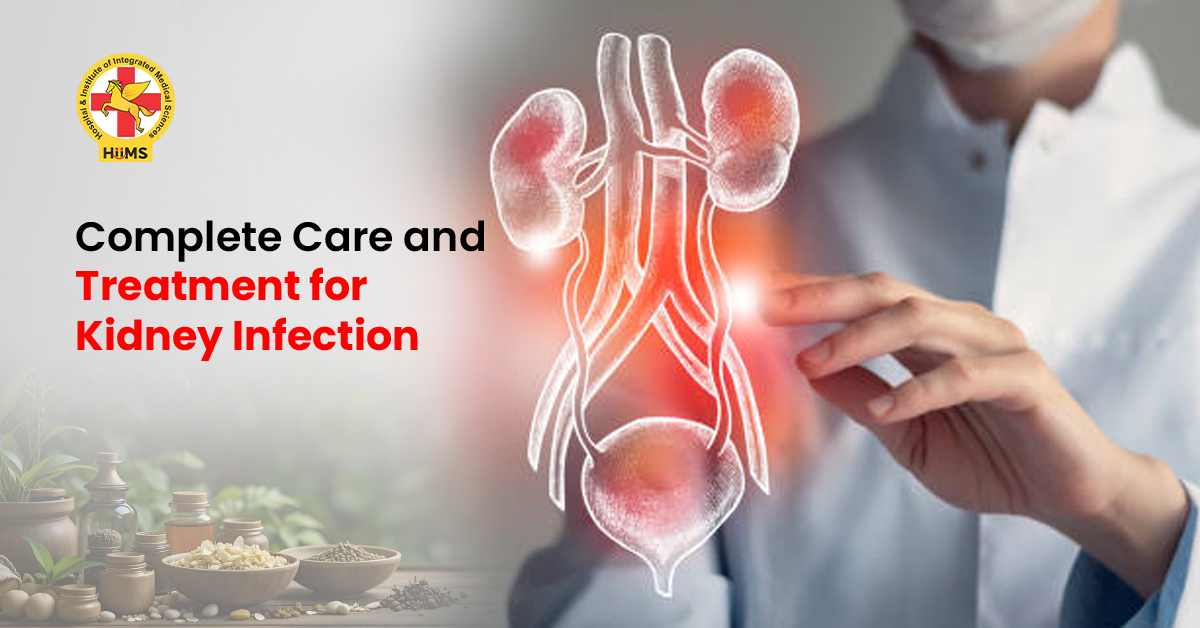
Kidney infection is a serious medical condition that affects one or both kidneys, often developing from untreated urinary tract infections. This condition occurs when harmful bacteria, primarily E. coli, travel from the bladder or urethra into the kidneys, leading to inflammation and pain.
It can present with symptoms such as lower back pain, high fever, chills, frequent urination, burning sensations, and cloudy or foul-smelling urine. Ignoring these warning signs may result in long-term kidney damage and even kidney failure.
Early detection and treatment are crucial for maintaining overall kidney health. Renal infection not only disrupts normal bodily functions but also increases the risk of chronic complications if left untreated.
At Jeena Sikho HiiMS, our Ayurvedic approach ensures a natural, gentle, and effective path to restore kidney function. With a combination of lifestyle guidance, herbal formulations, and targeted therapies, patients receive comprehensive care that addresses both symptoms and underlying causes. Understanding the infection of the kidney and seeking timely treatment is the first step towards preventing severe complications and promoting long-term wellness.
Causes and Risk Factors of Kidney Infection
Several factors contribute to the onset of kidney infection. The primary cause is bacterial invasion of the urinary tract, often due to poor hygiene, delayed treatment of bladder infections, or use of catheters. Obstructions like kidney stones or an enlarged prostate can further increase the risk. Women are generally more susceptible because of the shorter length of their urinary tract, which allows bacteria easier access to the kidneys. A weakened immune system or anatomical abnormalities may also predispose individuals to infections. Identifying these causes helps in taking proactive steps to avoid complications and seek timely kidney treatment.
Ayurvedic Perspective on Kidney Health
Ayurveda views kidney infection as an imbalance that affects the body’s natural detoxification process. Instead of only treating symptoms, it focuses on restoring internal balance to support healing and prevent recurrence. Therapies such as Panchakarma, including Virechana and Basti, help cleanse the kidneys and urinary tract. The GRAD system, with techniques like hot water immersion and head-down tilt therapy, may also support circulation and kidney recovery. This holistic approach is often included in Ayurvedic kidney failure treatment strategies aimed at strengthening kidney function while reducing reliance on conventional medications.
Natural and Effective Kidney Treatment at Jeena Sikho HiiMS
Ayurveda provides a holistic and natural way to promote kidney wellness. Its focus lies in detoxifying the body, restoring internal balance, and maintaining long-term kidney function through gentle, effective methods.
Panchakarma Therapy for Kidney Detox
Panchakarma, one of Ayurveda’s key detoxification techniques, uses five specialized therapies to eliminate deep-seated toxins from the body. Among these, Virechana and Basti play a crucial role in supporting kidney health. These treatments help cleanse the urinary channels, reduce pressure on the kidneys, and improve their overall functioning, making them an essential part of Ayurvedic kidney treatment.
GRAD System for Enhanced Circulation and Detoxification
Ayurvedic hospitals like Jeena Sikho HiiMS use the GRAD system to enhance kidney circulation and support natural detoxification. Key components include:
- Head-down tilt therapy – Improves blood flow to the kidneys
- Hot water immersion – Reduces inflammation and assists the detox process
- DIP Diet (Disciplined and Intelligent Person’s Diet) – A plant-based dietary approach followed to support kidney health and improve natural detoxification
Performed under professional guidance, these techniques aid the kidneys in healing and maintaining optimal function.
DIP Diet: Food-Based Support for Kidneys
The DIP Diet is an Ayurvedic dietary approach designed to reduce stress on the kidneys and improve overall circulation. It emphasizes a structured eating routine using plant-based meals to naturally boost nitric oxide levels.
How to follow the DIP Diet:
- Begin meals with fresh fruits or raw salads (Plate 1)
- Continue with cooked grains, legumes, or vegetables (Plate 2)
- Avoid mixing both plates or snacking between meals
- End the day with a light dinner, ideally before sunset
Consistent adherence to this diet supports digestion, minimizes kidney strain, and enhances overall kidney health.
Herbal Remedies for Kidney Support
Ayurveda also offers several herbs that strengthen kidney function and support urinary health:
- Punarnava – Reduces swelling and promotes healthy urine flow
- Varun – Maintains urinary tract balance and kidney function
- Gokshura – Strengthens urinary organs and alleviates discomfort
- Palash – A natural purifier that aids in removing toxins
These herbs are generally used in Ayurvedic formulations under expert supervision, offering safe, long-term support for kidney wellness rather than immediate relief.
Lifestyle Habits for Healthy Kidneys
Maintaining kidney health requires consistent lifestyle habits. Drinking ample clean water supports natural detoxification, while avoiding unnecessary antibiotics and painkillers prevents kidney stress. Practicing proper hygiene, including timely urination, reduces infection risk. Incorporating light physical activity, yoga, or walking promotes circulation and overall kidney function. Regular check-ups with a kidney doctor or at a specialized hospital help detect potential issues early, ensuring that kidney infections are treated promptly and effectively. A healthy lifestyle complements Ayurvedic treatments, offering a sustainable path to kidney wellness.
Conclusion
Kidney infections, if untreated, can lead to severe complications, including kidney failure. Timely treatment, guided by a skilled kidney specialist doctor and supported by Ayurveda, provides an effective and natural approach to recovery. By combining herbal therapies, personalized dietary plans, and healthy lifestyle practices, patients can protect their kidneys and restore optimal function.
At Jeena Sikho HiiMS, a specialised kidney hospital, our holistic approach ensures that renal infection management focuses not only on symptom relief but also on long-term kidney health and overall well-being.

FAQs
1. What is a kidney infection?
A kidney infection is a bacterial infection that affects one or both kidneys, often originating from the urinary tract.
2. What are the common symptoms of kidney infection?
Symptoms include back pain, fever, chills, frequent urination, burning sensation, and cloudy urine.
3. What causes renal infections?
Most renal infections are caused by bacteria like E. coli, poor hygiene, urinary tract obstructions, or delayed treatment of bladder infections.
4. Why is early kidney treatment important?
Early treatment prevents complications like kidney damage, chronic infections, and kidney failure.
5. How does Ayurveda treat kidney infections?
Ayurveda uses therapies like Panchakarma, herbal remedies, and dietary adjustments to cleanse the kidneys and restore balance.
