

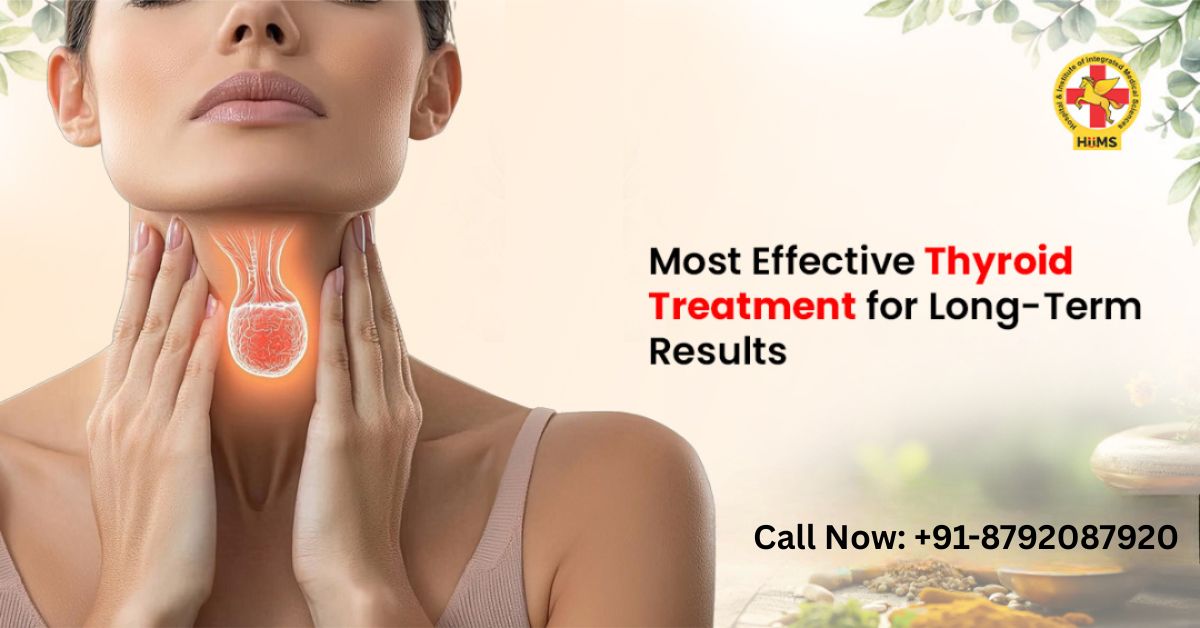
Most people don’t even know where their thyroid is. It is a small, butterfly-shaped gland in the front of your neck. But even though it is small, it controls very important things in your body, like energy, weight, mood, body temperature, and even the menstrual cycle in women. When this tiny gland does not work properly, the whole body starts feeling off.
Thyroid problems are becoming very common these days, especially in women. Many people feel tired all the time, gain weight suddenly, lose hair, or notice mood changes without understanding the reason. After blood tests, they discover it is a thyroid issue. But then another question comes up: what is the most effective thyroid treatment for long-term results? Is it only medicine, is there a permanent solution, or can lifestyle changes really make a difference? In this blog, we will understand thyroid treatment in very simple words, what causes thyroid problems especially causes of thyroid in females, and how long-term management actually works.
Understanding the Thyroid: What It Does and Common Thyroid Problems
This small gland controls many important things in your body. It helps your body turn food into energy and affects how active or tired you feel during the day. It also plays a role in maintaining your body weight. Your mood, emotions, and even the menstrual cycle in women are connected to it.
When the thyroid makes too much hormone or too little hormone, the body starts losing balance. That is when different problems begin to appear. There are mainly two common types of thyroid problems.
1. Hypothyroidism
This happens when the thyroid becomes slow and does not produce enough hormones. When this happens, the body also becomes slow.
Common signs include weight gain without a clear reason, hair loss, constipation, feeling cold even when others feel normal, and constant tiredness.
2. Hyperthyroidism
This happens when the thyroid becomes overactive and produces too much hormone. In this case, the body starts working too fast. Common signs include sudden weight loss, anxiety, a fast heartbeat, excessive sweating, and feeling irritated easily.
Both conditions need proper thyroid treatment under the guidance of a thyroid doctor or thyroid specialist. Ignoring symptoms can make the problem worse over time.
Causes of Thyroid in Female
Thyroid problems are more common in women. Some common reasons include:
- Hormone level imbalance.
- Changes during pregnancy.
- Long-term stress.
- Autoimmune health issues.
- Family genetic history.
- Lack of proper nutrition.
Women often ignore early symptoms, thinking it is normal weakness or stress. That delay makes treatment harder later.
What Is the Most Effective Thyroid Treatment?
No single treatment works the same for every person. Thyroid care is planned based on certain factors, such as:
- Type of thyroid condition.
- Current hormone levels.
- Person’s age.
- Daily lifestyle habits.
- Other existing health issues.
Most doctors start with medicines to balance hormone levels. These medicines help control symptoms. But long-term results depend on more than just tablets.
Why Is Only Medicine Not Enough?
Thyroid medicines help manage hormone levels, but they don’t always solve the root cause. When diet, stress, and lifestyle are ignored, levels may continue to rise and fall.
A good thyroid treatment plan combines medication with healthy food, stress management, routine monitoring, and consistent daily habits. A good thyroid specialist does not only look at lab reports but also understands the complete health picture before guiding treatment.
Ayurvedic Thyroid Treatment for Long-Term Balance
Thyroid problems usually do not improve with just one step. Long-term balance needs proper monitoring, diet correction, stress control, and structured therapies. At Jeena Sikho HiiMS, care is given with medical supervision while also supporting the body’s natural rhythm. The goal is not just to correct lab reports but to gradually improve digestion, metabolism, and hormone balance.
Detox Therapies for Thyroid Support
After understanding the patient’s body type and symptoms, certain detox therapies may be suggested.
- Virechana is often considered supportive in overactive thyroid patterns.
- Vamana may be recommended in situations connected with sluggish metabolism.
- Basti is often used to support gut health and maintain steady hormonal balance.
- Nasya helps support head and neck functions through medicated oils.
These therapies are performed carefully under supervision to reduce internal imbalance.
Herbal and Lifestyle Support
Herbal remedies are prescribed only after thorough evaluation. Frequently used herbs include Ashwagandha, Guggul, Triphala, Kanchanar Guggulu, and Brahmi or Shatavari, based on individual needs. Because herbal therapy acts gradually, ongoing monitoring is necessary.
Healthy routines play an important role: warm fresh meals, minimal processed food, timely sleep, enough fluids, regular walking, and light breathing practices. In hypothyroidism, warm and easy-to-digest food along with gentle activity is helpful. In hyperthyroidism, calming meals and stress control become more important.
Thyroid care at Jeena Sikho HiiMS is never one-plan-fits-all. Progress is carefully reviewed at every stage, and treatment is adjusted step by step according to the patient’s condition. At Jeena Sikho HiiMS , the focus is on achieving steady, long-term thyroid balance rather than quick, temporary results.
When Should You See a Thyroid Specialist?
You should consult a thyroid specialist if:
- You notice unexplained changes in your weight.
- You experience constant fatigue.
- Hair fall increases.
- Periods become irregular.
- Mood swings become frequent.
Early diagnosis makes treatment easier and prevents complications.
Conclusion
The most effective thyroid treatment for long-term results is not just about taking medicine. It is about balanced care, proper medical supervision, lifestyle correction, stress management, and regular monitoring. With the right thyroid doctor and a disciplined routine, thyroid problems can be controlled and managed safely over time. For consultation or more information, you can call +91 8792087920 or email care@jeenasikho.com.

FAQs
1. Can thyroid issues go away completely?
Most thyroid conditions are managed long-term rather than permanently cured.
2. How long does thyroid treatment take?
It depends on the condition. Some people need lifelong monitoring.
3. Can stress worsen thyroid problems?
Long-term stress can affect hormone balance.
4. Is thyroid common in women?
Women are more likely to develop thyroid issues than men.
5. Should I stop taking medicine if I feel better?
Always consult your thyroid doctor before making changes.