
One of the most vital organs in the body is the liver. It helps in processing the nutrition, storing the energy, aiding in digestion, and helping in ridding the body of toxic substances. The liver’s functionality may be affected when there is any issue with it. Liver disease refers to a broad range of disorders that could be caused by minor health issues or serious chronic diseases that cause severe damage to the organ.
What are the different types of liver disease? Some of them include fatty liver disease, viral hepatitis, autoimmune liver disease, genetic liver diseases, biliary tract diseases, liver injuries caused by medications or toxins, cirrhosis, and liver cancer. Some of these diseases could be acute, while others are chronic. By knowing about these diseases, you will be able to know the symptoms.
What Is Liver Disease?
Liver disease refers to conditions that damage the liver or affect its normal functioning. There are more than 100 known liver diseases, and their causes can be very different. Infections, metabolic problems, alcohol, certain medicines, toxins, autoimmune reactions and inherited conditions can all affect the liver.
Some liver diseases may cause clear symptoms, while others can remain unnoticed for a long time. In some cases, a liver problem is found during routine blood tests or imaging.
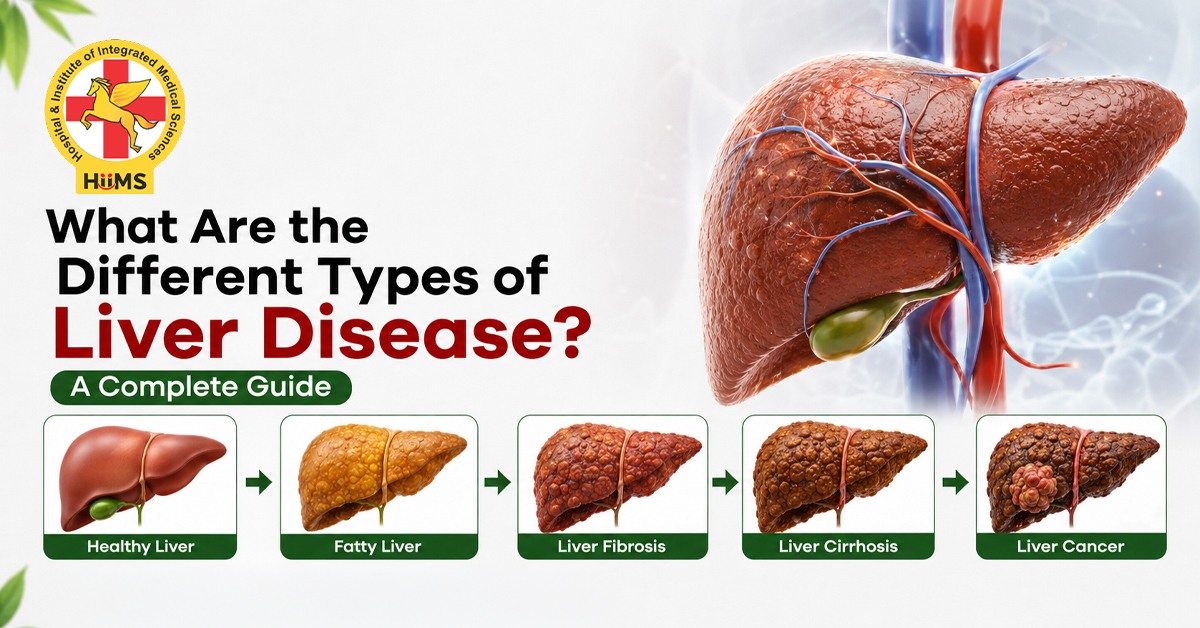
Long-term liver damage may result in inflammation, fibrosis and cirrhosis. In advanced cases, it may contribute to liver failure or liver cancer. However, not every person with liver disease develops these complications.
What Are the Different Types of Liver Disease?
There are several major categories of liver disease. Each has different causes and may require a different approach to management.
1. Fatty Liver Disease
Fatty liver disease occurs when excess fat builds up in the liver. Two broad forms are metabolic dysfunction-associated steatotic liver disease, known as MASLD, and alcohol-associated liver disease.
- Metabolic Dysfunction Associated Steatotic Liver Disease
MASLD is associated with metabolic factors and is not caused by heavy alcohol consumption. It was previously known as non-alcoholic fatty liver disease, or NAFLD.
It is commonly associated with overweight or obesity, type 2 diabetes and other metabolic conditions. In some people, it may progress to inflammation and scarring. Healthy eating, regular physical activity and maintaining a healthy weight can be important parts of management.
- Alcohol-Associated Liver Disease
Long-term heavy alcohol use can damage the liver. It may cause fat accumulation, inflammation and eventually scarring.
When alcohol is contributing to liver damage, avoiding alcohol is an important part of medical management.
2. Viral Hepatitis
Hepatitis refers to inflammation of the liver. Viruses are an important cause of hepatitis, with hepatitis A, B and C being commonly known types.
Hepatitis A is generally a short-term infection and can spread through contaminated food or water. It usually does not become a long term infection.
Hepatitis B can be acute or become chronic. Chronic hepatitis B may cause ongoing liver inflammation and increase the risk of cirrhosis and liver cancer.
Hepatitis C can also become chronic. Long-term infection may cause progressive liver damage and can eventually contribute to cirrhosis. Modern antiviral medicines can cure chronic hepatitis C in many people.
3. Autoimmune Liver Diseases
Autoimmune liver diseases occur when the immune system mistakenly attacks liver tissue or structures connected with the liver.
Hepatitis results in liver inflammation since the body’s immune system attacks the liver. In the absence of appropriate treatment, the continued inflammation will lead to damage of the liver, resulting in cirrhosis.
Primary biliary cholangitis, abbreviated PBC, is a disease that affects the bile ducts found within the liver. The disease affects the bile ducts and hinders the flow of bile.
Primary sclerosing cholangitis is a condition characterised by inflammation and scarring of the bile ducts.
4. Genetic and Inherited Liver Diseases
Some liver conditions develop because of inherited changes that affect the way the body handles certain substances.
Hemochromatosis causes excessive iron accumulation in the body. Over time, this excess iron can damage organs, including the liver.
Wilson disease causes excessive copper accumulation in the body and can affect both the liver and other organs.
These conditions require specific diagnosis and management and should not simply be treated as ordinary fatty liver or digestive problems.
5. Medicine- and Toxin-Related Liver Disease
Certain medicines, supplements, chemicals and other substances can cause liver injury. The severity can vary depending on the substance and amount of exposure.
Some medicines may cause liver inflammation, while certain herbal products and dietary supplements can also affect the liver in some situations.
People with existing liver disease should therefore consult a healthcare professional before taking supplements, herbal products or other complementary products. Prescribed medicines should also not be stopped without medical advice.
6. Liver Cirrhosis
Cirrhosis occurs when extensive scar tissue replaces healthy liver tissue. As the scarring progresses, the liver may have increasing difficulty performing its normal functions.
Cirrhosis can develop due to several long-term liver conditions, including alcohol-associated liver disease, MASLD and chronic hepatitis B or C.
In its early stages, cirrhosis may not cause noticeable symptoms. Later, a person may experience jaundice, swelling in the abdomen or legs, itching, easy bruising, fatigue or unexplained weight and muscle loss.
There is no single liver cirrhosis treatment suitable for everyone. Management depends on the underlying cause and may focus on preventing further damage and controlling complications. In advanced liver failure, transplantation may be considered.
7. Liver Cancer
Liver cancer occurs when abnormal cells grow uncontrollably in the liver. Hepatocellular carcinoma is the most common primary liver cancer.
Long-term liver conditions such as cirrhosis and chronic viral hepatitis can increase the risk of liver cancer. Treatment depends on the type and stage and may include surgery, medicines, local procedures, radiation or transplantation in selected cases.
Common Symptoms of Liver Disease
Symptoms of liver disease depend on the type and stage of liver disease. Some individuals do not have any apparent symptoms during the initial stages of liver disease.
Some possible symptoms of liver disease include:
- Continuous fatigue
- Lack of appetite
- Feeling sick
- Stomach pain
- Skin or eyes turning yellow
- Dark-coloured urine
- Pale-colored feces
- Itching skin
- Abdomen or legs swelling
- Bruising or bleeding easily
- Unexpected weight loss
The symptoms of liver disease do not necessarily indicate liver disease. If you suffer from some of the mentioned symptoms, it is important to seek professional help.
How Is Liver Disease Diagnosed?
The diagnosis varies according to the disease that you may have. Your doctor will take into account the following information: Blood tests for liver function, a hepatitis virus test, an ultrasound, computed tomography, magnetic resonance imaging, elastography, and, in some cases, a liver biopsy. They are used to diagnose liver problems. These diagnostic procedures help in identifying what has caused the illness.
Can Ayurveda Support Liver Health?
The conventional way of approaching Ayurveda involves the concepts of digestion, food, daily activities, and balance. The remedies for an illness through Ayurveda may be related to the right food, lifestyle, and some remedies depending on the individual’s health status.
However, some diseases such as viral hepatitis, autoimmune hepatitis, cirrhosis, and liver cancer require medical diagnosis and monitoring by the doctors. No form of complementary medicine can substitute the conventional one.
In Jeena Sikho HiiMS, the Ayurvedic way of treatment can be considered as part of an individualised plan for wellness. Individuals suffering from liver diseases must share the reports of their illnesses and current medicines before starting any Ayurvedic treatment.
When Should You Consult a Doctor?
Persistent jaundice, unexplained weight loss, abdominal swelling, unusual bleeding or significant fatigue should not be ignored. Individuals who are suffering from pre-existing chronic liver diseases need to adhere to their prescribed treatment regimen. Acute vomiting of blood, black and/or bloody stool, severe confusion, and abdominal distension may be signs of complications needing immediate treatment, especially among individuals with cirrhosis.
Conclusion
There are many different types of liver disease, including Fatty Liver, viral hepatitis, autoimmune conditions, genetic disorders, bile duct diseases, cirrhosis and liver cancer. Each condition has different causes and requires an appropriate approach. Understanding what are the different types of liver disease can help you recognise possible symptoms, but it cannot replace proper diagnosis. Should you have recurring symptoms or any abnormal results of your liver function tests, visit an experienced healthcare practitioner. Patients at Jeena Sikho HiiMS Hospital may consider Ayurvedic consultation along with proper diagnosis and monitoring. VOPD consultation may also be an option if you are unable to visit the hospital.
FAQs
1. What are the various types of diseases of the liver?
Fatty liver, hepatitis, autoimmune diseases, genetically inherited diseases, liver cirrhosis and liver cancer are examples of these.
2. What are the symptoms that people suffer from due to liver disease?
People may suffer from fatigue, yellowing of eyes and skin, pain in abdomen, itchiness, dark urine and swelling.
3. Is there any possibility that fatty liver may cause cirrhosis?
A fatty liver condition, if severe, can cause inflammation and fibrosis, leading to liver cirrhosis.
4. How is liver cirrhosis treated?
It is treated by controlling the underlying disease along with its complications.
5. Is there an impact of Ayurveda on the liver?
Yes, Ayurveda can help in maintaining liver health by appropriate diet and lifestyle.
Always consult a qualified healthcare professional for personalized medical guidance.