

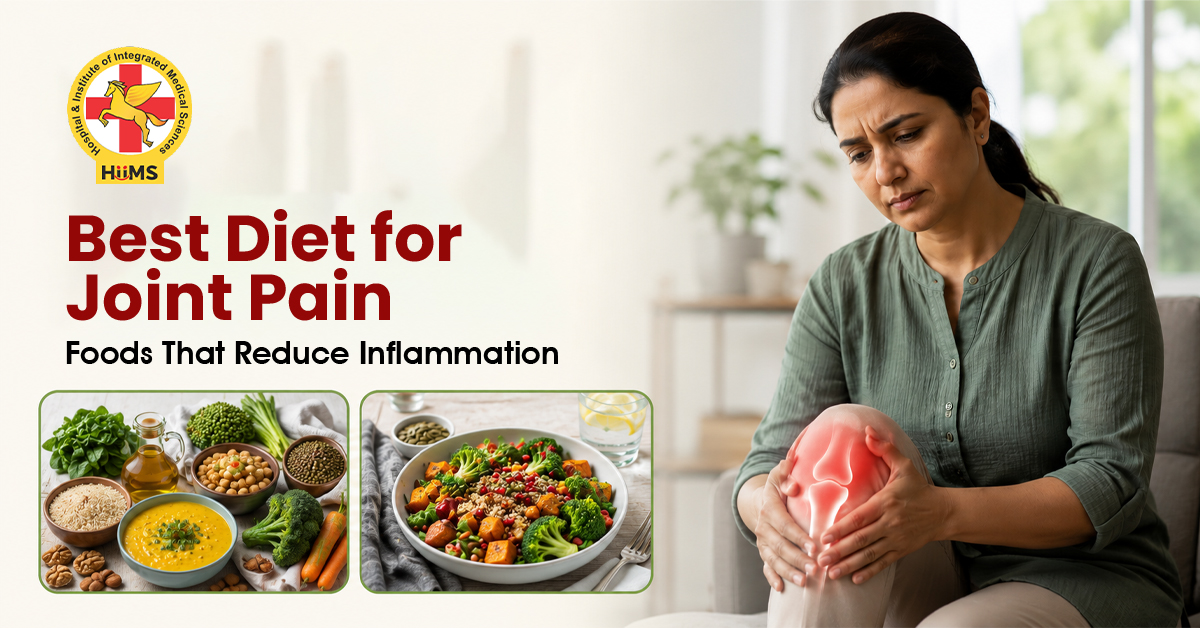
Stiff knees in the morning, fingers that ache before you even pick up your coffee cup, joint pain has a way of showing up slowly and staying stubbornly. While no single meal fixes it overnight, the right diet for joint pain genuinely helps calm the inflammation behind that stiffness and soreness.
This article breaks down exactly what to eat, what to skip, and how to structure your meals so managing joint pain doesn’t feel like a guessing game every single day.
Best Diet for Joint Pain: What Actually Belongs on Your Plate
The best diet for joint pain isn’t complicated, it’s mostly about consistency with a few food groups:
- Fatty fish like salmon, mackerel, sardines, and tuna, 2-3 times a week
- Nuts and seeds, walnuts, almonds, flaxseeds, chia seeds
- Whole grains like oats, brown rice, and whole-grain bread
- Legumes and beans for fibre and plant protein
- Extra virgin olive oil as your main cooking fat
None of these is a magic fix on its own. It’s the daily pattern that actually moves the needle over weeks, not a single “superfood” meal.
Foods for Joint Pain: Why Omega-3s Matter So Much
Foods for joint pain research keep circling back to one nutrient, omega-3 fatty acids. Multiple studies link regular omega-3 intake to reduced joint stiffness, tenderness, and swelling, especially in rheumatoid arthritis. If fish isn’t your thing:
- Ground flaxseed or flaxseed oil
- Walnuts, about 1.5 ounces daily
- Chia seeds mixed into yogurt or smoothies
Anti-Inflammatory Diet for Joint Pain: Spices Worth Adding
An anti-inflammatory diet for joint pain leans heavily on a few kitchen spices that do more than add flavour:
- Turmeric, thanks to curcumin, a genuinely well-studied anti-inflammatory compound
- Ginger, fresh or as tea, for easing stiffness and improving mobility
- Green tea, rich in polyphenols that may slow cartilage breakdown
Adding these regularly to your cooking, rather than treating them as occasional extras, is where the real benefit comes from.
Foods That Reduce Inflammation: Antioxidants and Vitamin C
Colour on your plate genuinely matters here. Foods that reduce inflammation are usually the brightest ones:
- Berries, blueberries, strawberries, and cherries for anthocyanins
- Citrus fruits like oranges and grapefruits are rich in vitamin C, which is important for collagen and cartilage health
- Dark leafy greens, spinach, kale, and broccoli, for antioxidants and overall joint support
- Bell peppers and Brussels sprouts are also strong vitamin C sources
What Foods Should You Actually Avoid?
Just as important as what you add is what you cut back on:
- Refined carbs like white bread, white rice, and pastries
- Sugary snacks and sodas
- Processed meats and fried food
- Excessive saturated fat
Some people also notice flare-ups with dairy, gluten, or nightshade vegetables like tomatoes and eggplant, though this varies quite a bit from person to person and isn’t universal.
Joint Pain Relief Diet: A Simple Daily Structure to Follow
If figuring out meals from scratch feels overwhelming, a structured joint pain relief diet pattern can help. Jeena Sikho HiiMS Bhopal follows something called the pH-balanced diet, built around a plate 1 and plate 2 system:
Breakfast (7:00 AM – 9:00 AM)
- Plate 1: Body weight × 10g seasonal fruits (3-5 types)
- Plate 2: A normal home meal or millet recipe, poha, daliya, upma
Lunch (1:00 PM – 2:00 PM)
- Plate 1: Body weight × 5g seasonal vegetable salad (3-5 types)
- Plate 2: Khichadi, chapati, dhokla, or daliya
Dinner (before sunset, ideally)
- Plate 1: Body weight × 10g fruits and vegetable salad, without a heavy dinner, or
- Plate 1 with 5g portions plus a bowl of homemade vegetable soup, if eating with dinner
This plant-forward structure naturally lines up with most of the anti-inflammatory foods mentioned above.
Arthritis Diet Plan: Does One Size Actually Fit All?
Not really, and it’s worth saying clearly. There’s no single arthritis diet plan that eliminates symptoms for everyone. What helps one person might do nothing for another, especially with individual sensitivities like dairy or gluten. The most consistent advice across research is a Mediterranean-style pattern, more plants, less red meat, minimal processed food, adjusted based on how your own body responds.
Foods to Reduce Arthritis Pain: Bringing It All Together
At the end of the day, foods to reduce arthritis pain work best as a long-term pattern, not a strict short-term fix:
- Build most meals around vegetables, fruits, and whole grains
- Add fatty fish or plant-based omega-3s a few times a week
- Season generously with turmeric and ginger
- Stay hydrated, water supports joint lubrication, too
- Gradually cut back on processed and sugary foods rather than quitting cold turkey
Conclusion
A consistent diet to reduce joint inflammation won’t replace your prescribed treatment, but it genuinely supports how your body manages inflammation day to day. Building meals around whole foods, healthy fats, and anti-inflammatory spices, while easing off processed and sugary options, makes a real difference over weeks and months.
If you need a personalised diet plan built around your specific joint concerns, you can book a VOPD consultation with Jeena Sikho HiiMS Bhopal and talk it through with their team.

FAQs
1. Can changing my diet completely cure arthritis?
No, there is no diet that cures arthritis, but the right foods can actually reduce inflammation and help manage symptoms.
2. How often do I need to eat fish to help with joint pain?
Most experts recommend eating fatty fish like salmon or tuna about 2-3 times a week to reap the benefits of omega-3.
3. Do nightshade vegetables really cause joint pain?
It depends on the person. Some people have flare ups with tomatoes or eggplant but most people are fine.
4. How long before I see a difference after changing my diet?
Most people see slow improvement over weeks of consistently anti-inflammatory eating – not overnight.
5. I have joint pain, can I follow the pH-balanced diet?
Yes, its plant-forward, fruit-and-vegetable-heavy structure is well suited to an anti-inflammatory approach to joint health.