
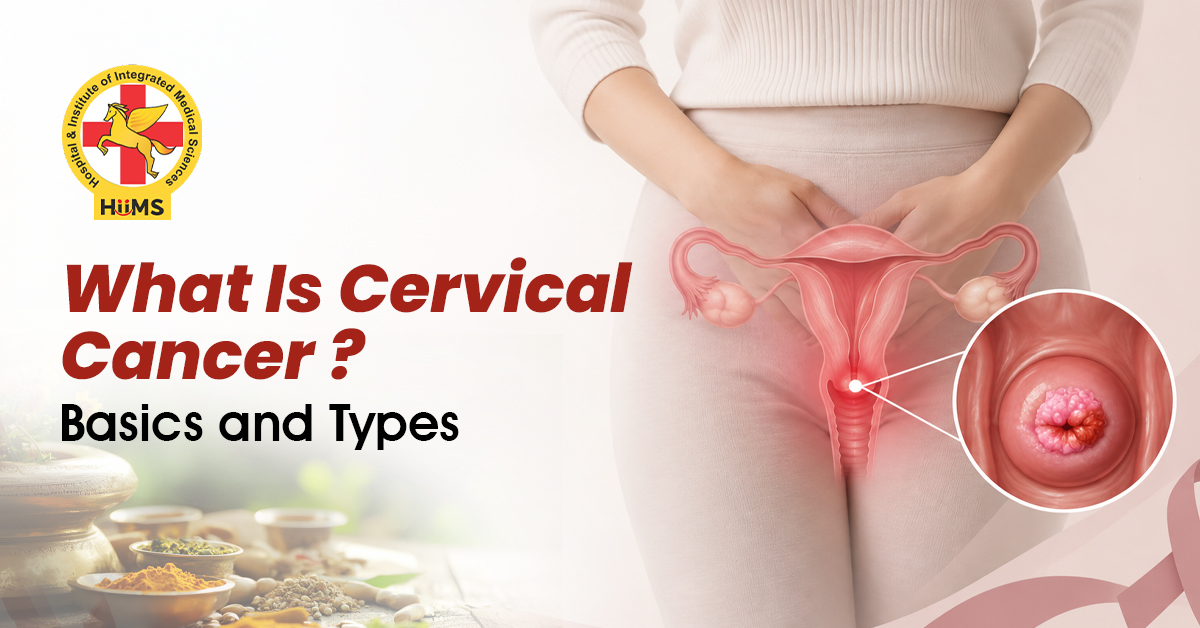
Learning about a serious health issue can feel frightening and confusing. However having simple, clear information gives you peace of mind and helps you make confident choices for your body. To understand cervical health we first need to look at the body’s anatomy. The cervix is the lower, narrow part of the uterus, often called the neck of the womb. It connects the main body of the uterus to the birth canal.
When people ask what is cervical cancer they are referring to abnormal cell growth that begins in this specific area. Knowing how these changes happen is the first step toward protecting your long term health and well-being.
Understanding the Basics: The Role of the Cervix
The cervix is the lower, narrow part of the uterus (womb) that connect main body of the uterus to the birth canal. It play an important role in reproductive health, body fluids and childbirth.
Healthy cells in the cervix normally grow, divide, and replace themselves in a clean and balanced cycle. However, when these cells experience ongoing irritation or viral changes they can begin to alter their shape and behaviour.
This change does not happen overnight. In almost all cases, normal cells pass through a slow, pre-cancerous phase over several years. During this early stage abnormal cells stay on the surface of the cervix. Identifying these early cell changes through routine health checks allows doctors to address them before they turn into serious health issues.
Key Risk Factors & Cervical Cancer Causes
Understanding why healthy cells change helps women take smart preventive steps in daily life.
The primary factor behind these cell changes is a long lasting infection with certain types of human papillomavirus (HPV). HPV is a very common virus that many adults encounter at some point in life. In most cases, a healthy human immune system naturally clears the virus from the body without any trouble. However if the virus stays active in the tissue for years, it can disturb cell growth.
Other important factors that increase health risks include:
- Weakened Immune Strength: A low immune system makes it harder for the body to clear common viral infections naturally.
- Nutritional Deficiencies: Lack of fresh, nutrient rich foods and green vegetables weakens cellular strength.
- Lack of Personal Hygiene: Poor personal hygiene and unsafe intimate habit create chronic irritation in sensitive tissues
- Smoking and Tobacco Use: Harmful chemical from tobacco damage tissue DNA and weaken immune cells in the cervix.
Understanding these contributing factors gives a clear picture of cervical cancer causes and highlights why building natural body immunity is so important.
Spotting Cervical Cancer Symptoms Early
During the very early stages, abnormal cell changes rarely cause pain or obvious discomfort. This is why paying attention to subtle body signals is so important for every woman. As abnormal cell growth progresses the body usually starts sending clear warning signals that should never be ignored.
Common warning signs include:
- Unusual bleeding between monthly periods
- Heavier or longer menstrual cycles than normal
- Unexplained bleeding after intimate contact
- Fluid discharge that smells different or looks unusually watery
- Mild, ongoing pain or discomfort in the lower stomach and pelvic region
If you notice any of these cervical cancer symptoms lasting for more than a few days, do not ignore them. Consult a healthcare expert at Jeena Sikho HiiMS early to get clear guidance and protect your long-term health.

Main Types of Cervical Cancer
Healthcare professionals divide this condition into different types based on how the abnormal cells look under a microscope. Knowing the specific cell type helps doctors choose the right care plan. When looking at what is cervical cancer, these are the main types you should know about:
- Squamous Cell Carcinoma: This is by far the most common type, accounting for about 80% to 90% of all cases. It begins in the thin, flat cells that cover the outer surface of the cervix where it meets the birth canal.
- Adenocarcinoma: This type accounts for most remaining cases. It develops in the column-shaped glandular cells that line the inner cervical canal which produce natural mucus.
- Mixed Carcinoma: In rare instances abnormal growth features characteristics of both squamous cells and glandular cells.
Rebuilding Strength with Natural Holistic Care
Supporting the internal environment of your body is an important part of recovery and wellness. While standard health checks provide necessary diagnoses, natural therapies focus on cleaning the blood, strengthening immune system and rebuilding daily energy.
Jeena Sikho HiiMS is an integrated hospital which provides a supportive and natural approach to women’s health. Their care protocol focuses on creating an internal body environment where healthy cells can thrive.
- pH-Balanced Diet: Patients follow a diet rich in raw fruits and vegetables that reduces body acidity and fills blood with vital nutrients.
- Cancer Detox Juices: Fresh green juices made from ash gourd, amla and raw turmeric help flush out accumulated waste from the bloodstream.
- Golden therapy: It uses a medicinal herbal paste that is churned with feet to help draw out internal impurities, calm the nervous system, and revitalise cellular energy.
- Herbal Support: Using natural herbs like giloy, tulsi and curcumin helps calm tissue inflammation and boost immune defences.
- Panchakarma: It is a body detoxification therapy that help remove deep seated body toxins to restore natural body balance.
Exploring this holistic approach alongside your routine cervical cancer treatment gives patients physical comfort, improved appetite, and renewed physical strength.
Conclusion
Taking care of your health should never feel overwhelming or scary. When you understand what is cervical cancer, how it develops slowly over time, and what warning signs to watch for, you gain the power to protect your body.
Getting routine health screenings and keeping your immunity strong make a massive difference. If you want holistic guidance, you can visit your nearby Jeena Sikho HiiMS, or you can book an VOPD from official website to connect with HiiMS Ayurvedic expert online.
Always listen to your body, stay informed and never hesitate to seek expert medical advice whenever you have doubts about your health.
FAQs
1.What is cervical cancer in simple terms?
It is an abnormal growth of cells that starts in the cervix which is the lower opening of the uterus. It usually develops very slowly over several years and can be managed effectively when caught early.
2.Can early cervical cell changes be reversed naturally?
Yes. In early pre-cancerous stages strengthening your immune system through a clean, plant-based diet, proper hydration, and natural detox therapies helps your body repair abnormal cells.
3.How does a pH-balanced diet support cervical health?
A raw, plant-rich diet reduces acidity in your body tissues, flushes out toxic waste, and gives your immune system the essential antioxidants it needs to fight viral infections.
4.Can a person have cell change on the cervix without feeling any pain?
Yes. Early cell changes on the cervix rarely cause pain or obvious discomfort. This is why regular routine health checkups are so important even if you feel completely healthy.
5.Can healthy lifestyle choices reduce the risk of cervical cancer?
Yes. Adopting healthy habits like eating fresh plant foods, keeping intimate areas clean, avoiding tobacco, and boosting natural immunity greatly lowers your overall risk.
Disclaimer: The information provided on this blog is for general educational and informational purposes only. It is not intended to replace professional medical advice, diagnosis, or treatment. Always consult a qualified healthcare professional before making any changes to your diet, lifestyle, or treatment plan. Individual results may vary.