
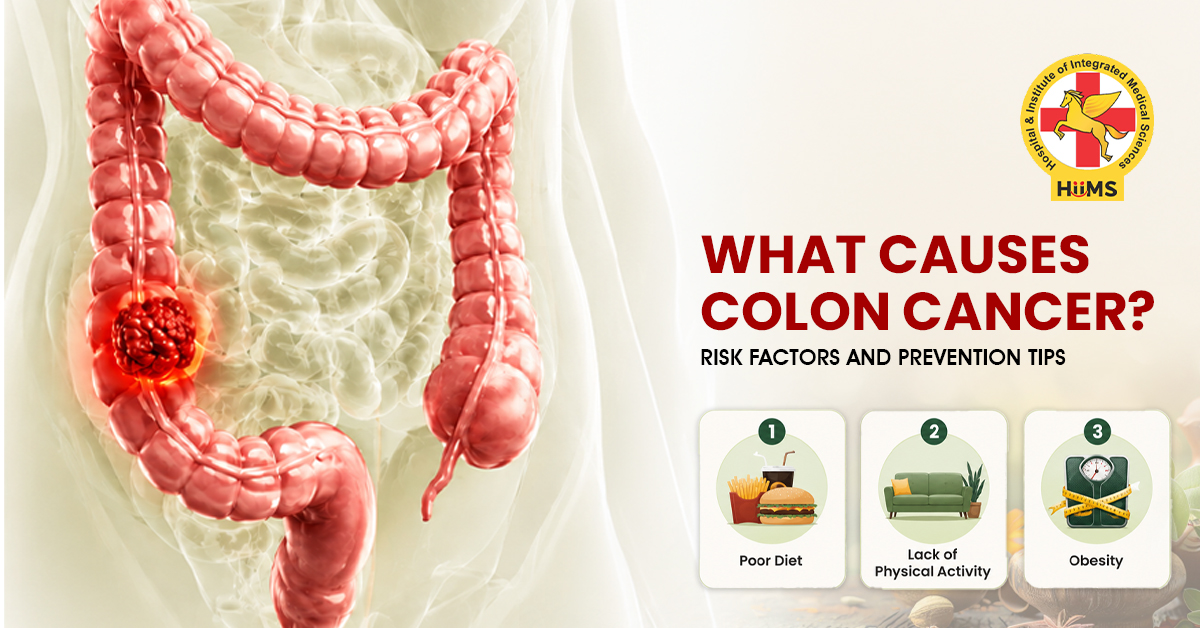
Colon cancer can develop for different reasons, and it is not always possible to point to one particular cause. Age, family history, food choices, daily habits, and lifestyle may all have some connection with the risk. Understanding the colon cancer causes can therefore help a person become more aware of the factors that may affect their health.
The colon is a part of the digestive system that helps deal with waste after the body has taken in the nutrients it needs from food. If the cells in the colon begin to grow and divide in an unusual way, a cancerous growth can develop. The risk may be influenced by increasing age, family history, smoking, alcohol consumption, excess weight, physical inactivity, and certain long term bowel conditions.
Some risk factors cannot be changed, such as age or family history. However, many daily habits can be improved. A simple diet, regular movement, good digestion, healthy body weight and a balanced routine can all be useful parts of a preventive lifestyle.
Colon Cancer Causes: What Increases the Risk?
The development of this condition is usually linked to several factors. In many people, several factors may come together over a period of time. Some are linked with family history and age, while others are connected with food and lifestyle.
The commonly recognised colon cancer causes include:
- Increasing age, especially after the age of 50
- A close relative with the condition
- Certain inherited changes that can increase the risk
- A personal history of certain bowel growths or long-term bowel conditions
- Being overweight or having obesity
- Very little physical activity
- Smoking
- Regular or heavy alcohol intake
- Eating patterns that are low in fibre and high in processed meat
It is important to remember that having one of these risk factors does not mean that a person will definitely develop cancer of the colon. It only means that the chances may be higher.
The Connection Between Food and Colon Health
Food is an important part of maintaining healthy digestion. Adding fibre-rich foods to regular meals can help keep bowel movements regular and may be helpful for reducing the certain bowel health risks. Vegetables, fruits, whole grains, beans, lentils, nuts and seeds are all good sources of fibre.
On the other hand, eating large amounts of processed meat and too much red meat has been linked with the higher risk. This does not mean that one particular food causes colon cancer. Rather, regular eating patterns over a long period can influence overall risk.
For everyday meals, a person can focus on simple foods such as:
- Seasonal fruits and vegetables
- Dal, beans and other pulses
- Whole grains instead of highly refined grains
- Nuts and seeds in suitable amounts
- Freshly prepared home-cooked meals
- Enough water during the day
Ayurveda also gives importance to the quality of food, digestion and regular eating habits. Instead of making meals complicated, it is often better to eat fresh food, chew it properly and avoid making heavy or highly processed foods a regular part of the diet.
Lifestyle Habits That May Increase the Risk
Food is not the only factor to consider. Daily habits also have an effect. Smoking, alcohol use, excess weight and lack of physical activity have been linked with a higher risk, while regular movement may help lower it.
Some common habits worth looking at include,
- Sitting for most of the day without enough movement
- Eating heavy meals frequently
- Depending heavily on packaged and processed foods
- Smoking regularly
- Drinking alcohol often
- Ignoring changes in bowel habits
- Gaining excess weight over time
A healthier routine does not have to begin with major changes. Walking daily, taking short movement breaks during work, eating more fibre-rich foods and keeping regular meal timings can be practical first steps.
How Age and Family History Affect Risk
Age is one of the important colon cancer causes that a person cannot control. The chances may increase with age, especially after the age of 50. A family history can also increase the risk. Having a parent, brother, sister, or child with colorectal cancer may raise a person’s chances of developing it.
This is why knowing your family health history can be useful. If close family members have had colon cancer or certain bowel conditions, it is sensible to discuss the risk with a qualified healthcare professional.
What Signs Should Not Be Ignored?
The early signs can sometimes be mistaken for ordinary digestive problems. Changes that continue for some time deserve attention rather than being ignored.
Possible colon cancer symptoms may include:
- A lasting change in bowel habits
- Blood in the stool
- Unexplained weight loss
- Ongoing abdominal discomfort
- Feeling like the bowel has not emptied fully
- Unusual tiredness or weakness
These signs may also occur due to other digestive problems. Many common digestive problems can cause similar changes. However, persistent or unusual changes should be checked rather than treated as a normal part of digestion.
What Do Colon Cancer Stages Mean?
If cancer of the colon is diagnosed, the stage tells how far it has grown or spread. The colon cancer stages start from an early stage where it remains within the colon wall and go up to later stages where it may reach other parts of the body. Knowing the stage helps healthcare professionals understand the condition and plan suitable care. Any unusual or lasting change in bowel habits should not be ignored and should be discussed with a qualified professional.
How Can You Lower the Risk Naturally?
Some causes of risk cannot be changed, but our daily routine is something we can pay attention to. Regular walking or other physical activity, a healthy weight and a diet with plenty of vegetables, fruits, pulses and whole grains may help reduce the risk. Smoking is best avoided, while alcohol should be limited.
A healthy lifestyle can include:
- Eat more fibre: Add vegetables, fruits, pulses and whole grains to the regular meals.
- Stay physically active: Walking, yoga, stretching or other suitable activities can help reduce the long hours of sitting.
- Keep meals simple: Fresh, home-cooked food is generally a better everyday choice than heavily processed food.
- Maintain a healthy weight: Regular movement and balanced meals can help maintain a healthy body weight.
- Avoid smoking: Tobacco use is linked with an increased risk of bowel cancer.
- Limit alcohol: Alcohol consumption is associated with an increased risk and so limiting it could be a useful preventative step.
- Take care of digestion: Regular meals, adequate water, proper chewing and attention to the bowel habits can form part of a healthy daily routine.
At Jeena Sikho HiiMS, the Ayurvedic approach gives importance to food, digestion, daily routine, physical activity, sleep and the individual’s overall needs. Such habits can be included as part of a long-term wellness-focused lifestyle.
Conclusion
The colon cancer causes are not limited to one food or one habit. Age, family history, inherited risk, excess weight, low physical activity, smoking, alcohol and certain eating patterns may all influence the chances of developing it. While some risks cannot be changed, a balanced diet, regular movement and good daily habits can help lower the overall risk.
Ayurveda places importance on keeping digestion and daily routine balanced through suitable food, lifestyle and the natural wellness practices. For the personalised guidance, you can connect with Jeena Sikho HiiMS through a Appointment and understand an approach suited to your needs.

FAQs
- What is the main cause of colon cancer?
There is no single cause, as age, family history, lifestyle, and eating habits may all influence the risk.
- Can diet affect colon health?
Yes, regular eating habits and the overall quality of the diet can play a role in maintaining digestive health.
- What foods are good for colon health?
Fruits, vegetables, pulses, whole grains, nuts and seeds can be included as part of a balanced diet.
- Can fibre help with bowel health?
Yes, fibre can help maintain regular bowel movements and support healthy digestion.
- Does Ayurveda focus on colon health?
Ayurveda gives importance to digestion, suitable food, daily routine, sleep and overall balance.
Disclaimer: The information provided on this blog is for general educational and informational purposes only. It is not intended to replace professional medical advice, diagnosis, or treatment. Always consult a qualified healthcare professional before making any changes to your diet, lifestyle, or treatment plan. Individual results may vary.