

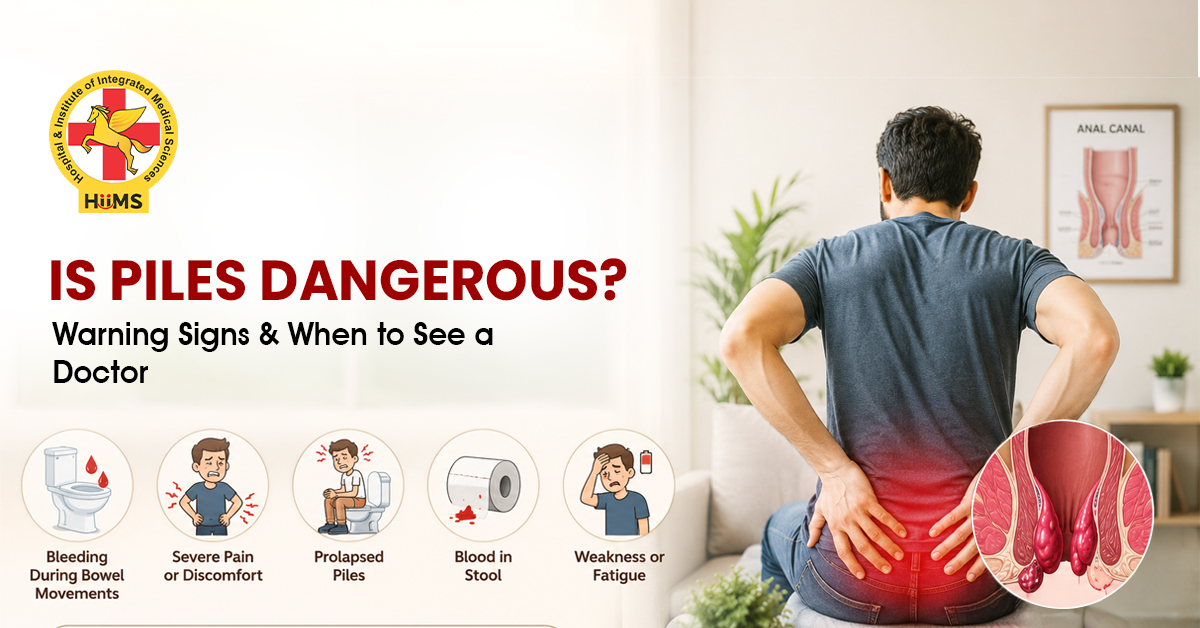
Many people experience piles, also known as haemorrhoids, at some stage of life. Even though it is a common condition, talking about it is still not easy for many. Because of this hesitation, proper care often gets delayed. One question that is asked quite often is piles dangerous? In most cases, piles is not considered a life threatening condition. However, if the symptoms are ignored for a long time, they may become more painful and start affecting everyday activities. Early attention often helps in managing the condition more comfortably.
Nowadays, people are paying more attention to digestive health, and because of that, many are searching for holistic ways to deal with piles rather than ignoring the problem. Ayurveda is not limited to managing only the symptoms. It also gives importance to proper digestion, regular bowel habits, and daily lifestyle practices that support overall health. Although mild symptoms may settle with timely care, some signs should never be taken lightly. This blog explains whether piles can become serious, the signs that should not be ignored, and the right time to consult a doctor.
An Overview of Piles or Haemorrhoids
Piles are swollen veins that develop inside or around the anus and lower rectum. They can cause pain, discomfort, itching, swelling, and sometimes bleeding during the bowel movements. The condition may affect both men and women and becomes more common with increasing age.
Many factors may increase the chances of developing piles, including,
- Long-lasting constipation
- Straining while passing stools
- Sitting for long periods
- Low-fibre diet
- Lack of physical activity
- Obesity
- Pregnancy
- Frequent heavy lifting
While piles are common, they should never be ignored if symptoms continue or become worse.
Internal and External Piles: What Is the Difference?
The condition mainly develops in two forms.
Internal piles
Internal piles develop inside the rectum and are usually not visible from outside. They often cause painless bleeding during bowel movements. In some cases, they may come outside the anus while passing stools and then return on their own or require gentle pushing back.
External piles
External piles develop under the skin around the anus. They are more likely to cause pain, itching, swelling, and discomfort while sitting or walking. Sometimes a blood clot may develop inside the swollen vein, making the pain much more severe.
Common causes of both types
- Chronic constipation
- Frequent diarrhoea
- Straining during bowel movements
- Sitting on the toilet for a long time
- Low fibre intake
- Reduced water consumption
- Lack of regular exercise
- Pregnancy and increased abdominal pressure
Recognising these differences at an early stage may help prevent unnecessary discomfort and possible complications later.
What Are the Warning Signs of Haemorrhoids?
Recognising the warning signs of piles early can help prevent the unnecessary discomfort and support timely care.
Some common signs include,
- Bright red blood after passing stools
- Pain during the bowel movements
- Itching around the anus
- Swelling near the anal area
- A lump around the anus
- Mucus discharge after passing stools
- Feeling that the bowel has not emptied completely
- Difficulty sitting comfortably for long periods
If these symptoms continue for several weeks or become more severe, they should not be ignored.
Is Piles Dangerous? Understanding the Reality
In simple and early stages, piles are usually not dangerous and can be managed well with the right diet and lifestyle changes. But when it is left untreated for years, the swelling can grow bigger, bleeding may increase, and in some cases it can lead to infection, severe pain or anaemia due to constant blood loss. So while piles itself may not be life-threatening in most cases, the complications that come from neglecting it definitely deserve attention and proper care.
What Causes Piles According to Ayurveda?
According to Ayurveda, piles are often linked with an imbalance of Vata and Pitta doshas. When digestion does not work properly, constipation becomes frequent, or eating habits remain irregular for a long time, pressure gradually builds around the lower rectal area. This is considered one of the reasons why piles may develop.
At Jeena Sikho HiiMS, the focus is on understanding what is causing the imbalance in the first place, rather than looking only at the symptoms. As digestion and dosha balance improve with proper guidance, the body also gets better support for its natural healing process.
Natural and Holistic Approaches for Piles Management
A few everyday habits can make a real difference in keeping digestion healthy and supporting regular bowel movements. Along with expert guidance, these changes may also support the piles treatment and help improve digestive health over time.
Some simple habits are,
- Eating more fibre-rich fruits and vegetables
- Drinking enough water every day
- Eating meals on time
- Including whole grains in the daily diet
- Doing light yoga and walking regularly
- Avoiding long hours of sitting
Sometimes, depending on the person’s condition, the doctor may recommend Kshar Sutra Therapy after a proper examination. Since every person is different, the suitable piles treatment should be chosen only after expert advice.
When to See a Doctor for Piles
Knowing when to see a doctor for piles is just as important as knowing the warning signs.
- If the bleeding does not stop
- If there is severe pain that does not go away
- If you notice a lump that keeps growing, or
- If you feel weak and tired due to constant blood loss
These are clear signals that you should not delay any further and must consult an expert without wasting more time.
Conclusion
Many people ask, is piles dangerous, but there is no single answer that fits everyone. In most cases, the condition can be managed well when the symptoms are not ignored. Simple changes in food habits, better digestion, and timely expert guidance can make a real difference.
At Jeena Sikho HiiMS, the Ayurvedic approach gives importance to understanding the possible root cause while encouraging natural lifestyle practices. If required, you can Book an Appointment and consult with experienced doctors for personalized guidance.

FAQs
- Is piles dangerous if left untreated?
In most cases, piles is not dangerous. However, if it is ignored for a long time, it may lead to the increased bleeding, pain and sometimes infection. - Is bleeding always a sign of piles?
Bleeding is often linked with the piles, but it can also happen because of other health conditions. That is why it should always be checked by a doctor. - Can piles cause severe pain?
Internal piles are often painless. External piles can cause noticeable pain, especially if the clot forms in the swollen vein. - What does Ayurveda say about the cause of piles?
According to Ayurveda, piles is mainly associated with an imbalance of Vata and Pitta doshas along with the poor digestion and irregular eating habits. - Does a fibre rich diet really help with piles?
Yes. Fibre helps make stools softer, so bowel movements become easier and there is usually less strain while passing the stools.