
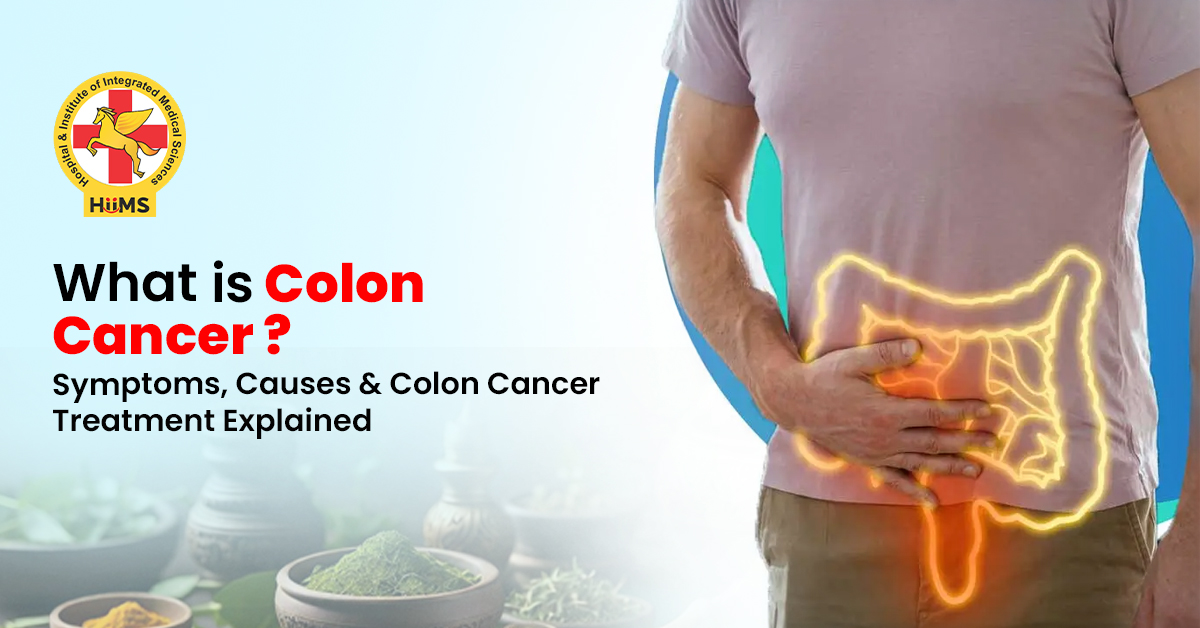
Colon cancer is becoming more common these days, yet many people still do not fully understand it. It usually starts in the large intestine and develops slowly over time. In the early stage, it may not show clear signs, which is why many cases are found late. That is where awareness becomes important, especially when it comes to timely cancer treatment.
When we talk about what is Cancer?, it simply means the uncontrolled growth of abnormal cells in the body. These cells do not follow the normal cycle and can spread to nearby areas. Cancer of the colon is one of those types that begins in the digestive system.
At hospitals like Jeena Sikho HiiMS, the focus is not just on identifying the disease but also understanding why it happened in the first place. Instead of only managing symptoms, the approach looks at restoring balance in the body.
Many people ignore small digestive issues, thinking they are normal. But sometimes, these signs can be early hints. Learning about colon malignancy early can help you make better decisions for your health.
Colon Cancer: Understanding the Common Types
It develops in the inner lining of the colon and usually starts as small growths known as polyps. Over time, some of these polyps can slowly turn into cancer if they are not noticed or treated early.
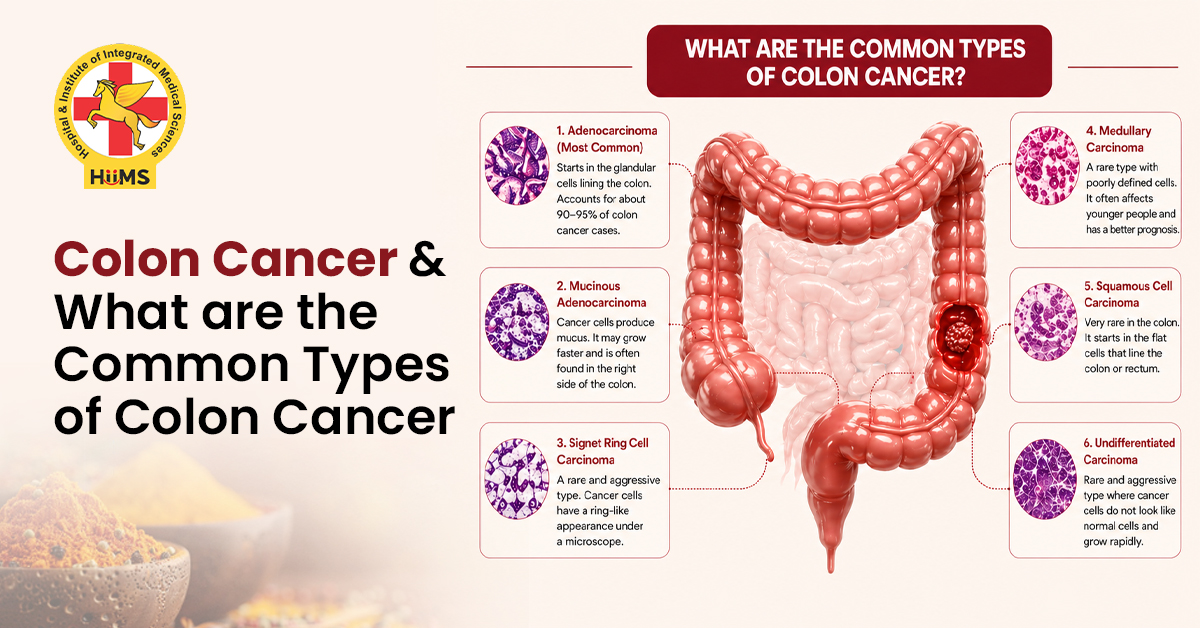
When we talk about what are the common types of cancer, cancer of the colon is one of the most commonly seen conditions affecting both men and women. In most cases, it appears as adenocarcinoma, which begins in the gland cells of the colon lining. There are also a few less common types, but they are not seen as frequently.
Common types of colon cancer include:
- Adenocarcinoma – starts in the gland cells of the colon lining and is the most common type
- Carcinoid tumors – develop from hormone-producing cells in the colon
- Gastrointestinal stromal tumors (GIST) – begin in the connective tissues of the colon
- Lymphoma – forms in the immune system cells present in the colon
- Sarcoma – affects the muscle layers of the colon and is quite rare
This condition is often linked with daily habits like eating patterns, lifestyle, and how well your digestion works. Unlike sudden illnesses, colon cancer builds up slowly over time. That is why paying attention to small body signals becomes important instead of waiting for strong or painful symptoms to appear.
Common Colon Cancer Symptoms You Should Not Ignore
Colon cancer does not always show signs in the beginning. But as it progresses, some changes may appear.
Here are some common colon cancer symptoms:
- Changes in bowel habits that last for many days
- Frequent constipation or loose motions
- Blood in stool or dark-colored stool
- Ongoing stomach discomfort or cramps
- Weakness and tiredness without a clear reason
- Sudden weight loss
These signs may look simple at first. Many people ignore them or treat them as minor digestive issues. But if these symptoms stay for a long time, it is better to get checked.
What Causes Colon Cancer?
Understanding colon cancer causes helps in preventing it early. This condition is often linked to daily habits and long-term imbalance in the body.
Some common colon cancer causes include:
- Low fiber diet and high intake of processed food
- Lack of physical activity
- Long-term digestive issues
- Smoking and alcohol consumption
- Family history of colon problems
- Chronic inflammation in the intestine
From an Ayurvedic view, weak digestion and toxin buildup in the body play a major role. When the body fails to remove waste properly, it starts affecting internal organs.
How Colon Cancer Develops in the Body
It usually does not happen overnight. It takes years to develop. First, small polyps form. Then slowly, some of them grow and become harmful.
This process is silent in many cases. That is why regular health checks and awareness become important, especially if you have risk factors.
Ignoring early signs can allow the disease to move to later stages, where treatment becomes more complex.
Colon Cancer Treatment Through Ayurvedic Approach
When it comes to colon cancer treatment, many people now look for natural and root-level healing methods. Ayurveda focuses on correcting the internal imbalance instead of just targeting the disease.
At Jeena Sikho HiiMS, treatment is based on understanding the patient’s body type and condition. The goal is to cleanse the body, improve digestion, and support natural healing.
Ayurvedic Treatment Methods Used
Ayurvedic therapies are designed to remove toxins and improve internal strength. Some commonly used therapies include:
- Panchakarma Therapy
Panchakarma is a deep cleansing process that helps remove toxins from the body and reset internal balance. As part of this therapy, Basti is often used, which focuses on the colon area. It helps in clearing accumulated waste, improving digestion, and supporting better circulation in the body. - Herbal Support
Natural herbs are used to improve gut health and strengthen the body’s internal system. - Diet or Aahar Plan
A personalised diet plan is given. It includes simple, natural food that supports healing and reduces stress on digestion. - Lifestyle Correction
Daily routine changes are suggested to maintain long-term balance in the body.
Special Ayurvedic Therapies for Cancer Treatment
Along with the main therapies, Jeena Sikho HiiMS also includes some special Ayurvedic therapies that many patients follow during their care journey.
Golden Therapy
A herbal mixture prepared from neem, guava, peepal, banyan, turmeric, and a few other natural ingredients is applied externally on the body. Over time, it supports detox and helps maintain better internal balance.
Ayurvedic Detox Juice (Cancer Detox Support)
This juice is prepared using green leaves, amla, ginger, beetroot, and selected herbs. It is usually taken in the morning or as guided by doctors. With regular intake, it helps clean the digestive system and may help you feel more active during the day.
Fasting and Autophagy Support
Controlled fasting for a specific duration allows the body to reset. It supports a natural internal process where damaged cells are gradually cleared, giving the body time to repair itself.
Why Early Care Makes a Big Difference
Colon malignancy can be managed better when detected early. Small lifestyle changes, timely diagnosis, and the right treatment approach can help avoid complications.
Many people delay seeking help because the symptoms feel minor. But early action can reduce the risk and improve outcomes.
Listening to your body and not ignoring repeated signs is the first step.
When Should You See a Doctor?
You should not wait for severe symptoms. If you notice ongoing digestive issues or changes in your routine, it is better to consult a specialist.
Situations where you should not delay:
- Blood in stool
- Long-term constipation or diarrhea
- Unexplained weight loss
- Persistent abdominal discomfort
Early consultation can help in proper evaluation and timely care.
Conclusion
Colon cancer is not something that develops suddenly. It builds slowly, often starting with small signs that many people ignore. Understanding your body and noticing these changes early can make a big difference. Simple habits like eating better, staying active, and keeping your digestion healthy can lower the risk.
An Ayurvedic approach focuses on correcting the root cause and helping the body heal naturally. At Jeena Sikho HiiMS, the focus stays on complete care rather than temporary relief. If you have been noticing symptoms for a while, it may be the right time to take it seriously and explore a natural path for better health.

FAQs
1. What is colon cancer in simple words?
Colon cancer is a condition where abnormal cells grow in the large intestine and slowly affect digestion.
2. What are the early colon cancer symptoms?
Early signs may include changes in bowel habits, mild stomach discomfort, or feeling tired without reason.
3. How does Ayurveda look at colon cancer?
Ayurveda connects it with an imbalance in digestion and toxin accumulation in the body.
4. When should someone consult a doctor?
If symptoms like blood in stool or long-term bowel changes appear, consultation should not be delayed.
5. Why is diet important in colon cancer treatment?
A simple and natural diet helps reduce pressure on digestion and supports healing.
Disclaimer: The information provided on this blog is for general educational and informational purposes only. It is not intended to replace professional medical advice, diagnosis, or treatment. Always consult a qualified healthcare professional before making any changes to your diet, lifestyle, or treatment plan. Individual results may vary.
