
Piles is a common problem, but many people feel shy to talk about it. Because of this, they ignore early signs, and the condition slowly becomes worse. It can affect daily life, cause discomfort, and even make simple activities like sitting or passing stool painful. This is where a piles specialist plays an important role. A trained expert understands the condition properly and helps you move in the right direction for healing.
At hospitals like Jeena Sikho HiiMS, the focus is not only on giving quick relief but also on finding the root cause. This makes the treatment safer and long-lasting. A good piles doctor listens to your problems, studies your lifestyle, and then suggests a treatment that suits your body. Instead of depending only on temporary solutions, the aim is to support natural healing. When you take guidance at the right time, the condition can be managed in a much easier way without fear or confusion.
How Piles Begin and Grow Over Time
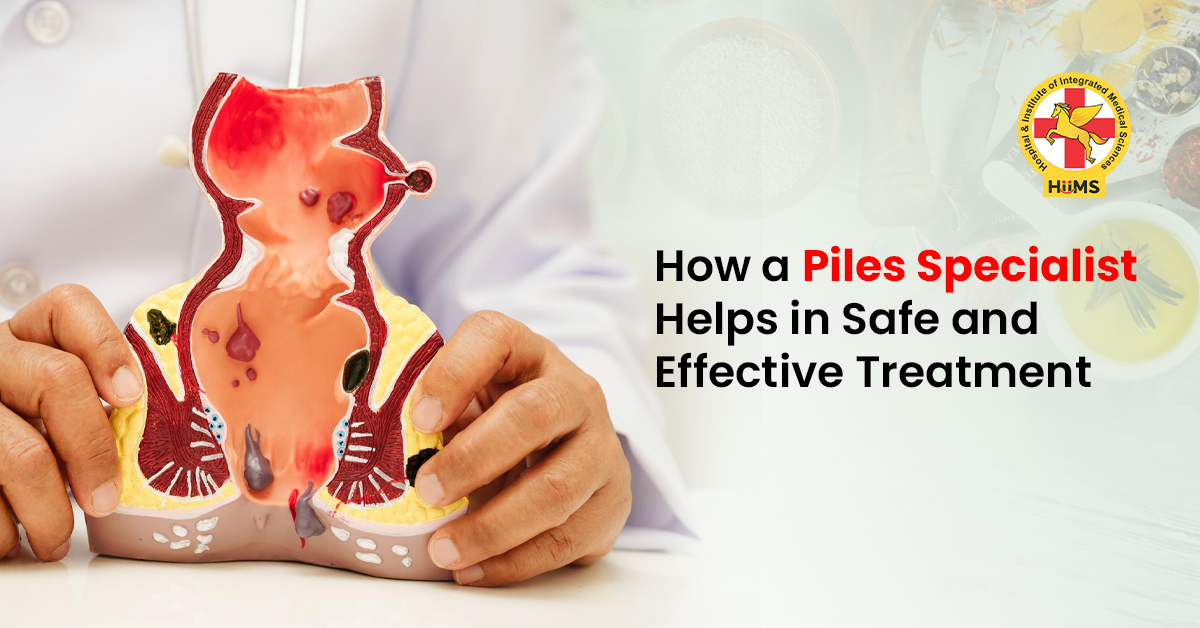
Piles are swollen veins in the lower part of the rectum. They can be inside or outside the body. This condition usually develops slowly due to pressure in the rectal area.
Some common piles causes include long sitting hours, constipation, eating very spicy or junk food, and not drinking enough water. When bowel movements are not smooth, it puts pressure on the veins and leads to swelling. Over time, this can turn into piles.
Understanding the cause is very important because treatment becomes more effective when the root problem is addressed.
Early Body Signals You Should Pay Attention To
Many people ignore early signs, thinking they are normal, but this can make the condition worse.
Some common piles symptoms are:
- Pain while passing stool
- Itching or irritation around the anal area
- Small amount of bleeding
- Swelling or lumps near the anus
These signs may look small in the beginning, but they should not be ignored. A piles specialist can identify the stage of the problem and guide you properly before it becomes serious.
Why You Should Consult a Piles Specialist
A lot of people try home remedies or random advice, but without proper guidance, the condition may not improve.
A piles specialist helps in:
- Understanding the exact stage of piles
- Finding the root cause behind the problem
- Suggesting safe and suitable treatment
- Guiding about diet and daily routine
At Jeena Sikho HiiMS, patients are guided step by step. The approach is simple and focuses on improving digestion and bowel habits, which is very important for recovery. Instead of only controlling symptoms, the goal is to improve overall health.
How a Specialist Plans Safe Piles Treatment
Every person is different, so treatment should not be the same for everyone. A piles specialist studies your condition and then creates a plan based on your needs.
This plan usually includes:
- Changes in diet like adding more fiber and fluids
- Lifestyle improvements such as regular movement and proper sleep
- Natural therapies that support healing from inside
This type of care makes the process safer and helps in long-term improvement.
Role of Kshar Sutra Therapy in Treatment of Piles
One of the well-known methods used in Ayurvedic care is Kshar Sutra therapy. It is a gentle and effective way to manage piles without major surgery.
In this method, a special medicated thread is used to treat the affected area. It works slowly and helps in healing while reducing the chances of recurrence. Many people prefer this method because it is less painful and focuses on natural recovery.
A trained piles specialist ensures that the therapy is done properly and safely. This makes it a trusted option for those who want a balanced and non-invasive approach.
Importance of Choosing the Right Place
Choosing the right piles hospital is very important for proper care. Not every place follows a patient-focused approach.
At Jeena Sikho HiiMS, the focus is on understanding the patient’s lifestyle, habits, and overall health. This helps in creating a treatment plan that feels practical and easy to follow. The environment is supportive, and patients are guided at every step so they feel comfortable during the process.
Simple Lifestyle Changes That Support Recovery
Along with piles treatment, daily habits also play a big role in recovery. A piles doctor often suggests small changes that can make a big difference.
Some useful habits include:
- Drinking enough water daily
- Eating fresh fruits and vegetables
- Avoiding long sitting hours
- Not delaying bowel movements
- Staying physically active
These steps may look simple, but they help in reducing pressure on the rectal area and support healing naturally. You can also Book an Appointment to get personalized guidance and the right treatment plan based on your condition.

When Should You Seek Help
Many people wait too long before consulting a doctor. This can make the condition harder to manage.
You should visit a specialist if:
- Pain or discomfort continues for many days
- Bleeding happens frequently
- Home remedies are not helping
- Daily life is getting affected
Early care makes piles treatment easier and avoids complications.
Conclusion
Ignoring piles can make things worse, but the right guidance can change everything. A piles specialist not only helps in managing the condition safely but also guides you toward better habits and long-term relief. With a natural and patient-focused approach, healing becomes more comfortable and effective.
At Jeena Sikho HiiMS, the aim is to focus on the body’s natural healing process and address the root cause instead of quick fixes. If you are facing any discomfort, it is better to take the first step and go for a VOPD consultation for proper guidance. Taking action at the right time can help you live a more comfortable and healthy life.

FAQs
- What are piles in simple words?
Piles are swollen veins in the lower part of the body that can cause discomfort during sitting or passing stool. - Why do piles happen?
Piles usually happen due to constipation, poor eating habits, and long hours of sitting. - What are the early signs of piles?
Early signs of piles include itching, slight pain, or a little bleeding during bowel movements. - Can piles be managed without surgery?
Yes, many people manage piles through natural care, lifestyle changes, and proper guidance. - What is the best way to prevent piles?
Maintaining a healthy diet, drinking enough water, and staying active can help prevent piles.
