

A sore inside the mouth looks small, but it can disturb almost everything you do in a day. Eating feels tricky, brushing becomes painful, and even a simple talk can start hurting in the middle of a sentence. That is why mouth ulcers are not something people forget easily, especially when they keep coming back after a few days of relief.
Many people wait, hoping the pain will settle on its own, and sometimes it does. But when the problem repeats, it usually points toward something deeper that needs proper care. Stress, food habits, weak digestion, and low immunity can all play a part, so the right mouth ulcer treatment should not stay limited to only outside comfort.
This blog will help you understand the basic signs, the common causes, the useful care options, and the Ayurvedic way of looking at the same problem in a more complete manner.
What Are Mouth Ulcers?
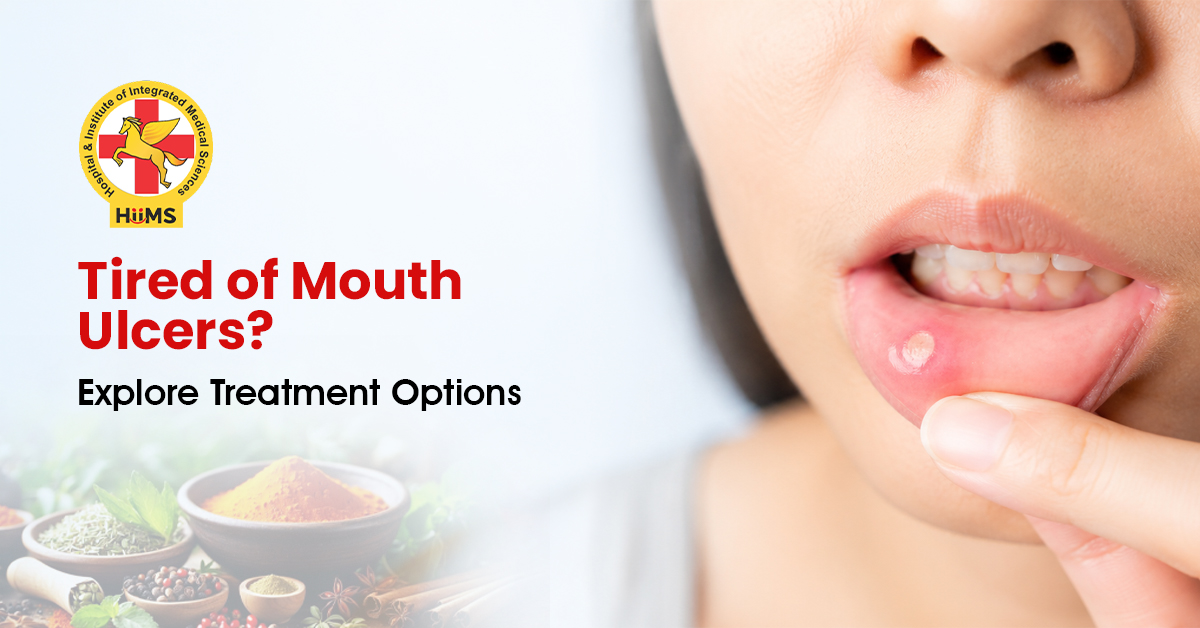
Mouth ulcers are small open sores that form inside the mouth, usually on the tongue, inner cheeks, lips, or gums. They often look like round or oval patches with a white or yellow center and a red edge around them. Many people get them once in a while and never think much about them, but recurring sores are a different problem. When they return often, they may be linked to body imbalance, poor food habits, or irritation inside the mouth. That is why observing the pattern is so important before deciding on any mouth ulcer treatment.
Common Ulcer Symptoms You Should Not Ignore
Signs That Often Appear Before and During an Ulcer
The first thing many people notice is a mild burning feeling or a small tender spot inside the mouth. Soon after that, the area turns sore and starts hurting while eating, speaking, or even moving the tongue. These ulcer symptoms can grow more uncomfortable if you eat spicy, sour, or very hot food. In many cases, the sore looks red around the edge and may feel raw in the middle, which makes even normal meals unpleasant. Some people also notice that toothpaste, salty food, or acidic fruit triggers more pain than usual.
When Ulcer Symptoms May Need Medical Attention
A single sore usually heals without trouble, but repeated ulcer symptoms should never be ignored. If the sore stays for more than two weeks, becomes large, or keeps returning after short gaps, it needs attention. When pain becomes severe, swelling is clearly visible, or swallowing starts becoming difficult, it is a good idea to get it checked. At that stage, proper ulcer treatment is more useful than trying random home care again and again.
Exploring Mouth Ulcer Treatment Options
Modern Medical Approaches for Ulcer Treatment
Modern ulcer treatment often involves oral gels, mouth rinses, and other medicines that are commonly used to manage discomfort and protect the affected area. Many people use these options when the ulcer starts interfering with routine activities such as eating, drinking, or speaking. If the problem occurs frequently, a doctor may also recommend suitable medicines to help reduce irritation and support the healing process. While such care can provide relief and make daily life easier, many people also look for ways to understand why the ulcers keep returning in the first place.
Natural Ways to Ease Discomfort at Home
Along with medical care, some simple habits can make the mouth feel easier to manage. An ulcer inside the mouth has a way of making ordinary things feel annoying. Eating becomes slower, certain foods start hurting, and even talking can feel uncomfortable at times. While proper mouth ulcer treatment remains important, simple changes in daily habits can make those few days a little easier to get through.
Ayurvedic Approaches to Mouth Ulcer Treatment
Looking Beyond the Ulcer Itself
Ayurveda usually looks at the whole body instead of only the sore spot. In many cases, recurring mouth ulcers are seen as a sign that digestion, food habits, stress, or internal heat are not in balance. That is why an Ayurvedic mouth ulcer treatment plan often goes beyond the mouth and looks at the daily routine, appetite, hydration, and general strength of the body.
Simple Ayurvedic Practices Commonly Used for Mouth Ulcers
A few easy traditional practices are often used to bring comfort. Saltwater gargling may help keep the mouth clean and calm the burning feeling. Raw honey is also commonly used because it feels soothing on the sore area. Tulsi leaves, coriander water, and oil pulling are among the traditional practices that many people continue to follow for maintaining better oral comfort and cleanliness. These steps are simple, but when followed carefully, they can become a helpful part of ulcer treatment.
Why Digestion and Daily Routine Matter
For many people, recurring sores do not come alone. They often arrive with irregular meals, poor sleep, skipped water intake, or a heavy diet. In many people, recurring ulcers are often linked with irregular eating habits, poor digestion, or a disturbed daily routine. That is why mouth ulcer treatment is not always limited to the sore itself. Eating meals on time, choosing lighter foods for a few days, and getting enough rest can help the body feel more settled and comfortable.
Can Mouth Ulcers Be Prevented?
Everyday Habits That Support Oral Health
A few small habits can lower the chances of repeated sores. Drinking water throughout the day, brushing gently with a soft toothbrush, and managing stress can all support oral health. Good sleep also contributes more than people may assume, because tiredness often shows up in the body in strange ways, including more frequent ulcer symptoms.
Supporting Long-Term Wellness Naturally
Balanced meals, enough vitamins, and attention to digestion can make a real difference over time. When the body gets steady care, the need for repeated ulcer treatment often goes down. In that sense, prevention is not about one big change. It is about keeping the daily routine calmer and cleaner.
Finding the Right Support for Long-Term Relief
When mouth ulcers keep returning, many people start wondering why the problem is not going away. For some people, the ulcer heals and then shows up again after a few weeks or months. When that happens, the discussion is usually not limited to the sore alone. At Jeena Sikho HiiMS, doctors also talk about eating habits, digestion, and routine as part of the overall assessment.
The aim is not only to help when the ulcer is present but also to understand why it keeps coming back. For many readers, that is the real difference between temporary comfort and a more complete healing approach with mouth ulcer treatment.
Conclusion
Mouth ulcers may seem small, but when they return often, they can disturb eating, talking, and daily comfort in a very real way. Paying attention to ulcer symptoms and understanding what may be behind them can help people make better decisions about ulcer treatment. A simple sore does not always need panic, but repeated sores do deserve attention, especially when they keep affecting routine life.
The better approach is to support the mouth and the body together, instead of chasing only quick relief. If you would like personal guidance for your health concern, you can also connect with the expert doctors at Jeena Sikho HiiMS through an online video consultation (VOPD).

FAQs
- What usually causes mouth ulcers to come back again and again?
Repeated sores are often linked to stress, digestive imbalance, low vitamins, or daily food habits that irritate the mouth. - How long does a mouth ulcer usually stay?
Most sores heal within one to two weeks, although larger or repeated ones may take longer and need care. - Which foods can make mouth ulcers feel worse?
Spicy, sour, salty, and very hot foods often increase irritation and make the sore feel more painful. - What helps with mouth ulcer discomfort at home?
When an ulcer is bothering them, many people avoid foods that sting and try simple things like saltwater rinses and extra water throughout the day. - When should a person get help for recurring mouth ulcers?
Some ulcers heal and are forgotten about. Others keep showing up, stay longer than expected, or become painful enough to interfere with eating and speaking. Those situations deserve a closer look.