


This is a chronic illness which requires blood glucose monitoring, proper diet, physical exercises and medical supervision. There is much more than blood glucose monitoring in the treatment of diabetes. Your food selection, sleeping patterns, activities and other aspects of good health are all important.
There are many who resort to the age-old practices like Ayurveda to get some extra information related to diet and lifestyle apart from their medical supervision. If you are also searching for an ayurvedic clinic in raxaul for diabetes care and management, Jeena Sikho HiiMS Clinic in Raxaul is one choice that you may have.
This clinic has a unique way of consultation where they include Ayurvedic consultation, traditional well-being practices and dietary & lifestyle counselling. This knowledge will surely be of great help to you before going to the clinic for discussion of your needs.
Understanding Diabetes and the Importance of Regular Care
Diabetes is a condition in which blood glucose levels remain higher than normal. It develops when the body does not produce enough insulin or cannot use insulin effectively. Insulin is a hormone that helps glucose enter the body’s cells and provides energy. When blood glucose remains high over time, it can affect different parts of the body, including the eyes, kidneys, nerves, heart and blood vessels.
Some common symptoms of diabetes include:
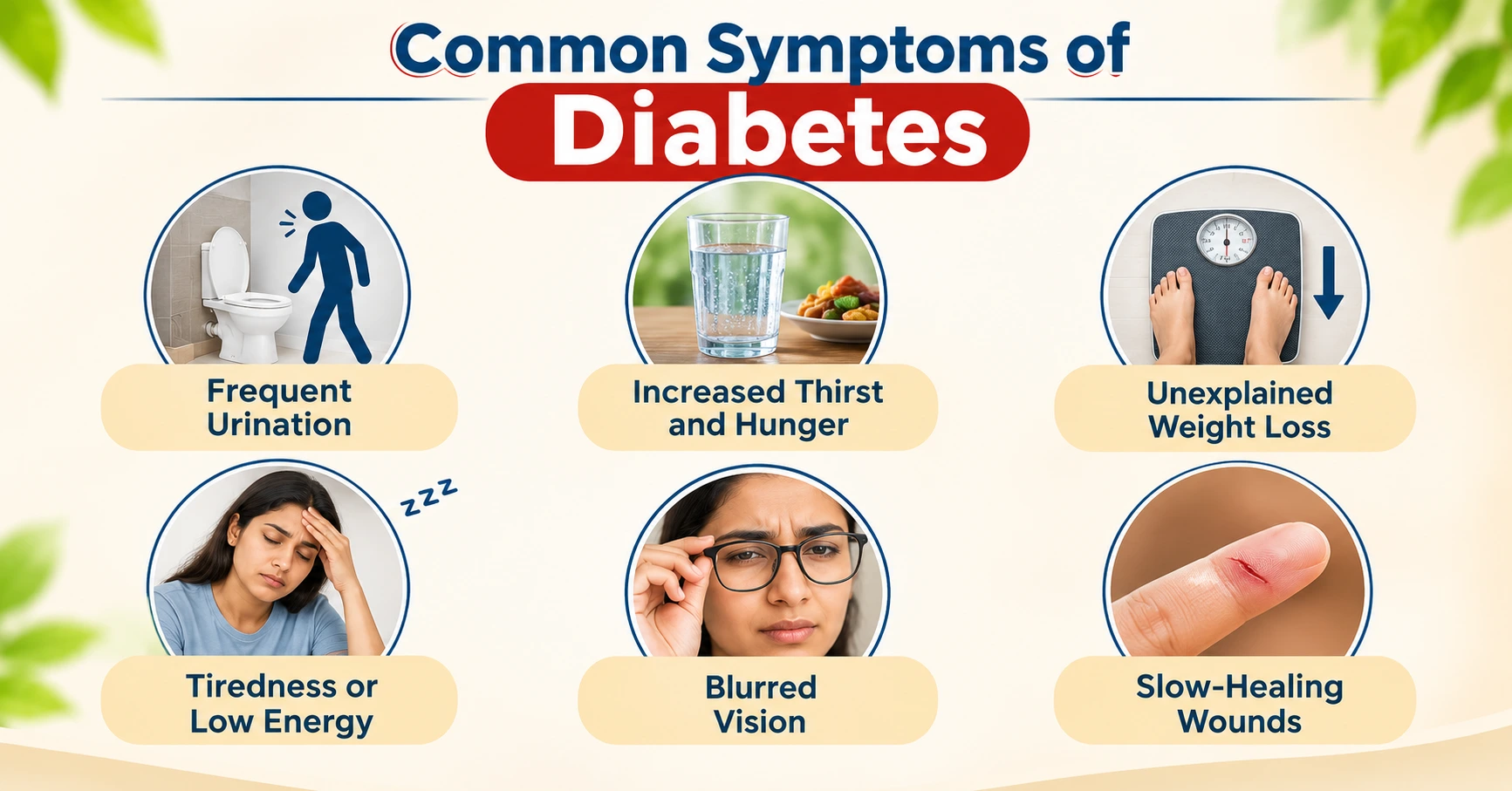
- Frequent urination
- Increased thirst and hunger
- Unexplained weight loss
- Tiredness or low energy
- Blurred vision
- Slow-healing wounds
However, some people with type 2 diabetes may experience mild symptoms or no noticeable symptoms for a long time. This is why regular blood sugar testing and medical check-ups are important.
Diabetes management involves healthy eating, physical activity, blood glucose monitoring and medicines when required. Regular screening is also important to identify possible complications early.
Have questions about diabetes or its symptoms? Book an appointment with a doctor to discuss your health and blood sugar levels.

How Can Ayurveda Be Part of Diabetes Care?
Ayurveda is an age-old practice of healthcare from India that takes into account diet, routine, physical activities, and the body type of an individual. The methods of treatment can include diet advice, daily activities, herbal treatments and selective procedures.
Individuals with diabetes can consider using these methods in addition to advice for leading a healthy life. But the practice of Ayurveda needs to be used along with the medical practice of diabetes.
It needs to be kept in mind that Ayurveda should not substitute prescribed medication, glucose monitoring and consultations with the healthcare practitioner. Before following any herb treatment or procedure, consult your physician, especially if you are taking any medicines for diabetes.
Where Can You Get Ayurvedic Consultation for Diabetes in Raxaul?
Consultation is provided at Jeena Sikho HiiMS Clinic, Raxaul, with Ayurveda and provides an overall methodology for chronic diseases and lifestyle disorders, including diabetes. People may ask for consultation details and traditional well-being services available at the clinic.
The consultation process can include discussion of your past medical history, medical problems, eating habits, and lifestyle. Your past medical reports and knowledge of the medicines taken can further assist the practitioner to know about your medical history.
If you are thinking about an Ayurvedic clinic for diabetes in Raxaul, it would be better for you to ask for the qualifications of the practitioner, consultation process, facilities, and precautions before starting any wellness program.
What Is the Ayurvedic Approach to Diabetes Care at Jeena Sikho HiiMS?
At Jeena Sikho HiiMS, the Ayurvedic approach to diabetes care focuses on understanding individual health needs and supporting healthier lifestyle habits. It includes dietary guidance, traditional herbal formulations, yoga, lifestyle practices and selected wellness therapies.
One of the practices highlighted is Neem Karela Therapy. This traditional practice involves using a paste made from neem leaves and karela. The clinic describes a procedure in which the paste is placed in a tray and gently churned with the feet. It is presented as part of its traditional naturopathy approach.
The clinic also discusses herbs traditionally used in Ayurveda, such as:
- Neem: A traditional herb used in several Ayurvedic formulations.
- Karela: Commonly included in traditional dietary and herbal preparations.
- Jamun: Its seeds and other parts are traditionally used in Ayurvedic preparations.
- Gudmar: An herb used in traditional Ayurvedic formulations.
- Vijaysar: A traditional herb associated with Ayurvedic preparations for metabolic health.
The selection of herbal formulations should depend on individual health conditions, current medicines and professional advice. Along with these approaches, the clinic discusses lifestyle practices such as yoga, meditation, physical activity and dietary modifications. The suitability of any therapy or formulation should be assessed individually.
What Happens During a Diabetes Consultation at Jeena Sikho HiiMS Raxaul?
Diabetes-related consultations usually start with knowledge of the health background of the patient and their requirements. The professional might ask you some questions and go through your medical records prior to offering advice on what could be appropriate. The following topics may be included:
1. Health Background and Conditions
Questions may arise regarding the diabetes diagnosis, its duration, current symptoms and other illnesses. Information about the conditions, previous illnesses and your family’s medical history may be included.
2. Previous Medical Reports
Your previous blood sugar measurements, HbA1c reports and other medical tests may offer information regarding your health condition. Having the reports at hand will make the consultation more efficient.
3. Current Medication and Supplements
Information regarding the current medication, insulin use and supplements should be offered. It is crucial because some ingredients in herbs might interfere with the diabetic medications or influence the blood sugar level.
4. Food Intake and Lifestyle Habits
The practitioner may talk about your usual food intake, food choices, time for eating, sleeping habits, physical exercises, and your work/life habits. This may help determine where suitable advice can be provided.
5. Discussing Suitable Advice
Following review of your health history, the practitioner will be able to suggest you any dietary or other advice that is recommended by traditional Ayurveda practice. The purpose and limitations of any recommended therapy must be clearly discussed.
If you are planning a diabetes management consultation in Raxaul, carry your recent medical reports and prescriptions. This can help the practitioner understand your existing care plan.
How Does Diet and Lifestyle Guidance Support Diabetes Management?
Food habits and the daily routines are important parts of long-term diabetes management. Suitable lifestyle changes, along with prescribed medical care, may help people follow their care plan more consistently. Some practical habits to discuss with your healthcare professional include:
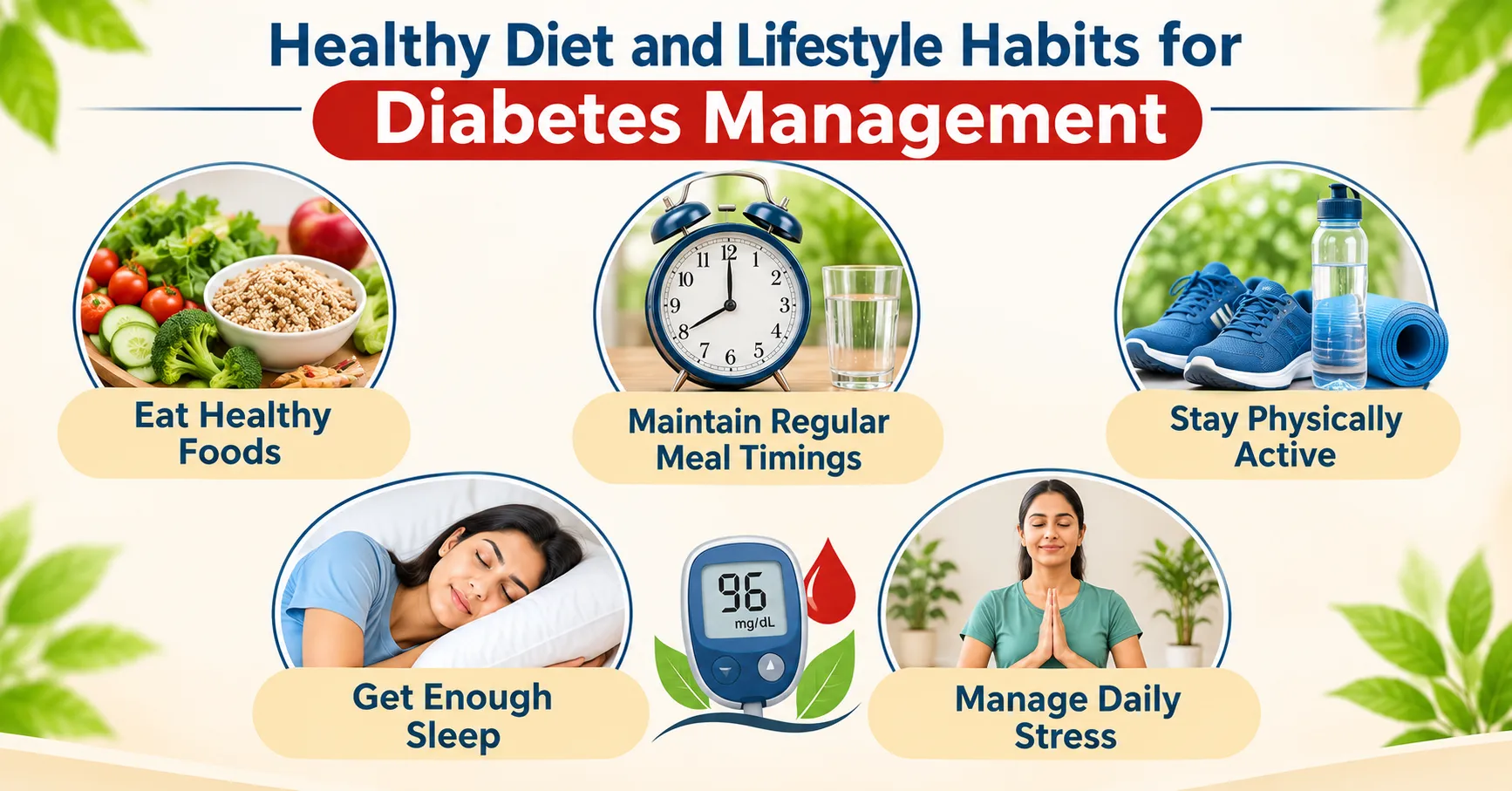
1. Eat Healthy Foods
You should eat plenty of vegetables, legumes, and the whole grains that are beneficial for your health. Everything here will depend on your diet needs and blood glucose levels.
2. Follow a Timely Meal Schedule
Having a set time for eating meals might help you to be able to control your food intake and coordinate it with any prescribed diabetes medications. Diabetic patients who use insulin or drugs that lower the blood sugar levels should consult with their physicians before changing meal times or omitting any meals.
3. Exercise Regularly
Walking, cycling, yoga, and other physical exercises are just some of the physical activities that can be included in the treatment plan for diabetes patients. It all depends on the patient’s fitness, age, and other health problems.
4. Sleep Properly
It is important to have a schedule, particularly in relation to your sleeping pattern and having enough rest. Lacking enough sleep will affect your energy level during the day.
5. Manage Everyday Stress
Relaxation practices, meditation and breathing exercises may help people manage everyday stress. Choose activities that are comfortable and suitable for your health condition.
Why Is Regular Monitoring Important During Diabetes Care?
Regular monitoring will help healthcare providers understand how effective the diabetes treatment programme is. In addition, it will assist in identifying any changes that might require medical intervention. Some important elements of diabetes monitoring are:
- Blood glucose monitoring: Assists in recording blood glucose level at specific points of time, as recommended by your healthcare provider.
- HbA1c monitoring: Assists in recording the average blood glucose level over the past three-month period.
- Blood pressure and cholesterol monitoring: Important, as diabetes patients have a greater tendency towards developing cardiovascular diseases.
- Eye and kidney monitoring: Regular eye examinations are very helpful in detecting any complications from diabetes.
- Foot monitoring: Checking for cuts, wounds, swelling and loss of sensations on the feet is very important for people with diabetes
- Consultations: This will help the healthcare providers analyse the reports and make decisions about changes in the treatment plan, if required.
When Should You Consult a Diabetes Healthcare Professional?
The signs of increased thirst, frequent urination, weight gain or loss, tiredness, vision problems, or poor wound healing require the consulting a healthcare specialist. They can indicate diabetes or another underlying condition and need further examination. For people suffering from diabetes, the use of drugs prescribed by the doctor, blood glucose testing, and screening should be done regularly regardless of feeling well.
Consult your doctor immediately if you feel confused, faint, or severely weak; have trouble breathing; or any other signs of an emergency related to high or low blood glucose levels.

Visit The Jeena Sikho HiiMS Clinic in Raxaul.
If you are looking for the diabetes care in Raxaul, you can contact Jeena Sikho HiiMS Clinic to enquire about its Ayurvedic consultation process and the available services.
Clinic Details
- Clinic Name: Jeena Sikho HiiMS Clinic, Raxaul
- Address: Kaurihar, Chowk, College Road, above Patanjali Store, Raxaul, Bihar 845305
- OPD Timings: Monday to Saturday, 9:00 AM to 6:00 PM
- Sunday: Closed
- Contact Number: +91-77839-77839
- Official Website: Jeena Sikho HiiMS Raxaul Clinic
It is advisable to confirm the address, contact number and current availability of specific therapies before visiting.
Conclusion
Diabetes management involves the following steps: blood glucose testing, healthy eating practices, exercise, and professional guidance by certified healthcare professionals. Additionally, one can consider Ayurveda treatment techniques to help provide further guidance in terms of diet and lifestyle management. But it is essential that this should be done in conjunction with required medical assistance.
FAQs
1. Where can one find an Ayurvedic clinic for the diabetes in Raxaul?
Jeena Sikho HiiMS in Raxaul provides Ayurvedic consultations and talks about the wellness and lifestyle of diabetic people.
2. What does one experience during consultation for diabetes at Jeena Sikho HiiMS?
During the consultation, one might be asked to provide the information regarding their health, previous reports, medicines, diet and lifestyle. Thereafter, proper guidance as per one’s requirements would be discussed.
3. What is Neem Karela Therapy?
Neem Karela Therapy is an Ayurvedic practice that has been practised by the Jeena Sikho HiiMS. In this therapy, a mixture of neem leaves and karela is used in a naturopathy process.
4. Can Ayurvedic practice be explored along with medical practice for diabetes?
Traditional Ayurvedic practice of diet and lifestyle may be pursued along with regular medicine treatment for diabetes. But inform your treating physician regarding herbal medications and traditional practices before pursuing them.
5. What documents do I need to bring for the first time consultation for diabetes?
Bring recent reports of blood sugar tests, HbA1c, prescriptions and medicines along with information about your health problems.
Leave a comment