


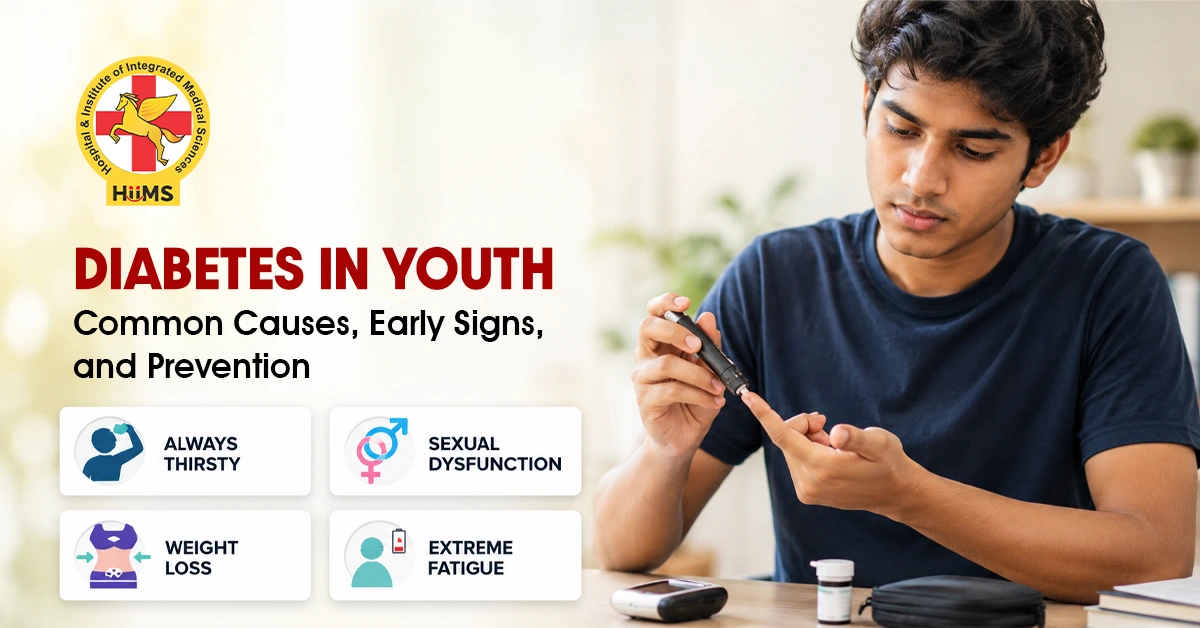
Diabetes is no longer a disease associated with older people alone. Nowadays, many children, adolescents, and young adults have developed various kinds of diabetes due to lifestyle changes, poor dietary habits, lack of exercise, obesity, and family history. Though it is true that not all forms of diabetes can be prevented, early detection of diabetes and maintaining a healthy lifestyle can help manage diabetes better.
Due to ignorance about the early symptoms of diabetes, many youngsters overlook them, considering them common ailments such as feeling tired or hunger pangs. Being able to identify the early symptoms of diabetes and the various reasons for them helps one seek appropriate medical assistance. This blog will provide information on diabetes in youth, its causes, early symptoms, risk factors, detection, prevention, and management.
What Is Diabetes in Youth?
Diabetes in youth is defined as the onset of diabetes during childhood, adolescence, or early adulthood. This condition results because of inadequate production of insulin by the body or because of the body’s inability to utilise the insulin produced by it. Insulin is the hormone which enables the transfer of glucose (sugar) from the bloodstream to the body cells for utilisation as fuel in the body.
The two main forms of juvenile diabetes are:
Type 1 Diabetes: It is an autoimmune condition wherein the body attacks the beta cells of the pancreas responsible for the production of insulin by the body.
Type 2 Diabetes: The body either develops resistance to insulin or produces insufficient insulin.
Causes of Diabetes in Youth
Understanding the risk factors that are the cause of diabetes in youth can help determine those who are more likely to develop diabetes.
Examples of such causes and risk factors are:
- Family History
Having one of your parents or a close relative with diabetes increases your chances of developing diabetes.
- Autoimmune Disorder
Type 1 Diabetes results from the immune system of the body targeting the pancreatic beta cells which make insulin.
- Bad Dietary Habits
Ingestion of foods and drinks with too many calories raises the risk of Type 2 diabetes.
- Unhealthy Lifestyle
Lack of physical activity reduces the body’s ability to utilize insulin.
- Obesity
Being overweight is one of the most common causes of developing Type 2 diabetes.
- Hormonal Changes
Hormonal changes in pubertal years can cause temporary insulin resistance.
Early Signs of Diabetes in Youth
The symptoms may appear gradually or develop suddenly, depending on the type of diabetes.
Symptoms may include:
- Increased urination frequency
- Increased thirst
- Uncontrolled hunger
- Unintentional weight loss
- Tiredness
- Blurred vision
- Delayed wound healing
- Frequent skin infections
Presence of dark patches of skin around the neck area and underarm area (often associated with insulin resistance). If these symptoms persist, then you should see your doctor.

Diabetes in Teenagers and Young Adults
Whereas diabetes can affect individuals of any age, there is an increase in the cases of diabetes in teenagers and diabetes in young adults due to lifestyle changes.
Diabetes among adolescents can cause:
- Increased tiredness.
- Lack of concentration.
- Changes in mood.
- Poor athletic ability.
- Frequent infections.
- In young adults, there will be:
- Changes in weight.
- Increased appetite.
- Difficulty in undertaking activities due to tiredness.
- Slow healing from minor illnesses.
Who Is at Higher Risk?
There are certain individuals who are more likely to develop youth diabetes compared to others.
Risk factors include:
- Family history of diabetes
- Overweight and obesity
- Lack of physical activity
- Hypertension
- Polycystic ovary syndrome (PCOS)
- Previous gestational diabetes in the mother
- Poor eating habits
How Is Diabetes Diagnosed?
Diabetes can be diagnosed on the basis of symptoms as well as laboratory tests of blood.
The common tests include:
- Fasting Blood Sugar (FBS)
- HbA1c Test
- Random Blood Sugar Test
- Oral Glucose Tolerance Test (OGTT) in some selected cases
It helps in early initiation of treatment.
Management of Diabetes in Youth
Diabetes management depends on the type of diabetes and the individual’s overall health.
Treatment may include:
- Insulin therapy for people with Type 1 diabetes.
- Diabetic medications for specific people who suffer from type 2 diabetes.
- Consuming balanced-diet food.
- Exercise.
- No overweight.
- Blood sugar checking.
- Regular visits.
It is very crucial for you to follow the treatment process as recommended by your doctor to maintain healthy levels of blood sugar.
How Does Ayurveda Support Healthy Blood Sugar Management?
Ayurveda emphasises keeping an equilibrium in the body through appropriate diet, daily regime, and mindful living that helps in achieving metabolic wellness. Besides conventional treatment and a healthy lifestyle, Ayurveda promotes wellness through the principles of good digestion, regular regime, and healthy living.
Some of the healthy habits that fall under Ayurveda’s lifestyle are:
- Eat fresh and balanced food with plenty of fruits and vegetables, whole grains, and proteins.
- Cut down on sweet drinks and processed foods and excess refined carbohydrates.
- Follow the guidelines of Dinacharya (healthy daily routine) for proper digestion and good health.
- Exercise on a regular basis in whatever form like yoga, etc.
- Maintain healthy body weight.
- Sleep well and enough during the nighttime.
- Relieve yourself from stress through meditation and pranayama or breathing exercises.
- Eat meals on schedule and eat in moderation.
- Visit a doctor on a regular basis, especially if your family has a history of diabetes.
These practices make for good health and can help reduce the risks of developing Type 2 diabetes.
When Should You See a Doctor?
Consult a healthcare professional if you notice:
- Frequent thirst or urination
- Sudden weight loss
- Constant tiredness
- Blurred vision
- Slow-healing wounds
- Frequent infections
- A family history of diabetes along with any of these symptoms
Early medical advice can help identify diabetes before complications develop.
Conclusion
The prevalence of people having diabetes in youth is on the rise. It becomes increasingly important to raise awareness for this purpose, as identifying the symptoms early on, knowing the causes of this disease, and following a healthy lifestyle may help to avoid many complications. While Type 1 diabetes cannot be prevented, many cases of Type 2 diabetes may be delayed through regular exercise, healthy eating, and maintaining a healthy weight.
If you or your child is experiencing symptoms of diabetes or would like personalised guidance on managing blood sugar through lifestyle and supportive Ayurvedic care, you can consult qualified experts through a VOPD (Virtual OPD) for a consultation for appropriate advice.

FAQs
Q1. Can you give the signs and symptoms that appear at the time of developing diabetes at a young age?
The following are some of the symptoms, and these include thirstiness, increased urination, hunger, feeling tired, loss of weight, poor vision, and slow wound healing.
Q2. Some of the common causes of developing diabetes among teenagers?
Some of the common causes include genetic causes, autoimmunity, obesity, poor dietary practices, inactivity, and hormone imbalance.
Q3. Can diabetes be prevented among teens?
Although it is not possible to prevent type 1 diabetes, prevention of type 2 diabetes is possible with healthy dieting and physical exercise.
Q4. How does one detect the presence of diabetes in young adults?
Detection of diabetes in young adults requires several blood tests, including fasting blood sugar test, HbA1c test, random blood sugar test, or glucose tolerance test.
Q5. Can young people have a healthy lifestyle even though they have diabetes?
If they manage their diabetes correctly, including treatment, healthy diet, physical activity, and proper medical advice, they can.