



Heart health is an important part of overall well-being, but early warning signs are not always easy to recognise. Symptoms such as unusual tiredness, breathlessness, chest discomfort, dizziness, or an irregular heartbeat should not be ignored. Many people associate these changes with stress, ageing, or daily workload, but persistent or unexplained symptoms deserve medical attention.
For people looking for a Ayurvedic Heart Clinic in Nashik for Heart Problems, understanding the available care options is an important first step. Jeena Sikho HiiMS Clinic in Nashik offers an integrated approach to healthcare that brings Ayurveda, naturopathy, and other traditional systems together with modern medical guidance. The aim is to help individuals understand their health concerns and receive care according to their medical history and individual needs.
Understanding Common Heart Problems
Heart disease is a broad term used for conditions that affect the heart muscle, valves, blood vessels, or the flow of blood to the heart. Some conditions develop gradually, while others may require immediate medical attention.
Common heart-related conditions include:
- Coronary artery disease: Narrowing or blockage of the arteries that supply blood to the heart.
- High blood pressure: Persistently elevated blood pressure that can increase the risk of heart attack, stroke, and other complications.
- Heart rhythm disorders: Conditions in which the heartbeat becomes unusually fast, slow, or irregular.
- Heart failure: A condition in which the heart cannot pump blood as effectively as the body needs.
- High cholesterol: Elevated levels of certain blood lipids that may contribute to plaque buildup in arteries.
The appropriate treatment depends on the specific condition, its severity, and the person’s overall health. Medical assessment helps determine which tests, medicines, or specialist interventions may be necessary.
7 Warning Signs of Heart Problems You Should Not Ignore
Recognising potential warning signs can help people seek medical attention promptly. However, these symptoms do not always mean that a person has heart disease, and only a qualified healthcare professional can assess their cause.
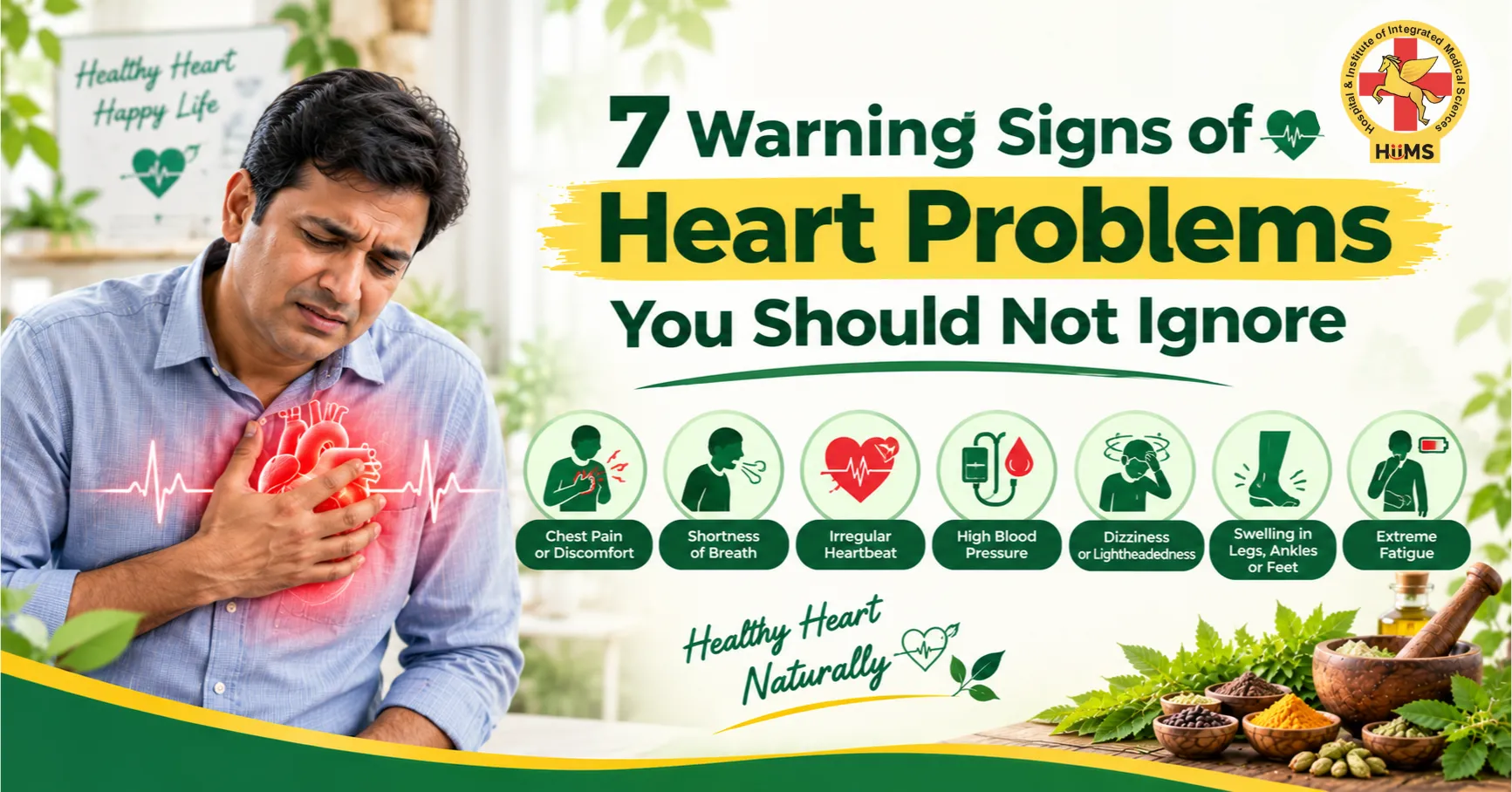
1. Chest Pain or Discomfort
Pressure, tightness, squeezing, or discomfort in the chest can be a warning sign of a heart problem. The sensation may come and go or occur during physical activity. New, severe, or persistent chest discomfort requires urgent medical evaluation.
2. Shortness of Breath
Breathlessness during ordinary activities, while lying down, or even at rest may indicate a heart or lung problem. If it occurs suddenly or alongside chest discomfort, sweating, or faintness, seek emergency care.
3. Unusual Fatigue
Feeling unusually tired without a clear reason may sometimes be associated with a heart condition. Persistent fatigue should be discussed with a healthcare professional, especially when accompanied by other symptoms.
4. Pain in the Arm, Shoulder, Jaw, Neck, or Back
Heart-related discomfort can spread beyond the chest to the arms, shoulders, jaw, neck, or back. These symptoms should be taken seriously when they occur with breathlessness, sweating, nausea, or chest pressure.
5. Palpitations or an Irregular Heartbeat
A racing, pounding, fluttering, or irregular heartbeat can have several causes, including stress, caffeine, medication effects, and heart rhythm disorders. Repeated episodes should be medically assessed, particularly if they occur with dizziness or weakness.
6. Dizziness or Fainting
Dizziness, light-headedness, or fainting can result from several conditions, including changes in blood pressure or heart rhythm. Sudden fainting, especially with chest pain or breathlessness, needs urgent evaluation.
7. Swelling in the Feet or Ankles
Swelling in the lower legs, feet, or ankles can occur for many reasons. In some cases, it may be associated with fluid retention caused by heart failure, particularly when accompanied by breathlessness or rapid weight gain.
Important: If you suspect a heart attack, call India’s emergency number 112 or seek emergency medical care immediately. Do not wait for an Ayurvedic consultation or attempt to manage a possible heart attack at home.
What Increases the Risk of Heart Disease?
Heart disease can develop due to a combination of genetic, medical, and lifestyle-related factors. Understanding these risks can help people make informed decisions about prevention and regular health checks.
Common risk factors include:
- High blood pressure
- High LDL cholesterol
- Diabetes or elevated blood glucose
- Smoking or tobacco use
- Physical inactivity
- A diet high in salt, unhealthy fats, or highly processed foods
- Excess body weight
- Excessive alcohol consumption
- Chronic stress and inadequate sleep
- A family history of cardiovascular disease
Age and family history cannot be changed, but several other risk factors can be managed with professional guidance, healthy daily habits, and appropriate treatment.
How to Support Better Heart Health Naturally
Lifestyle changes can support cardiovascular health and complement medical treatment. The right plan depends on the person’s diagnosis, physical ability, and existing medicines.
Follow a Balanced Diet
Choose a varied diet containing vegetables, fruits, whole grains, pulses, nuts, and suitable sources of protein. Limit excess salt, trans fats, and heavily processed foods. People with diabetes, kidney disease, or heart failure may need specific dietary advice from their healthcare team.
Stay Physically Active
Regular physical activity can support blood pressure, blood glucose, cholesterol, and weight management. Start with an activity appropriate to your health and fitness level. If you have a diagnosed heart condition or experience symptoms during exercise, consult your doctor before starting or increasing physical activity.
Monitor Blood Pressure and Blood Sugar
High blood pressure and diabetes can damage blood vessels over time, often without obvious symptoms. Regular monitoring and following your prescribed treatment plan can help reduce cardiovascular risks.
Avoid Tobacco
Smoking and other tobacco use increase the risk of heart disease. Quitting tobacco is one of the important steps you can take to protect your heart.
Prioritise Sleep and Stress Management
Maintain a regular sleep schedule and use suitable stress-management techniques, such as gentle breathing exercises or meditation. These habits may support general well-being, but they should not replace medical care for an existing heart condition.
Ayurvedic Approach to Heart Health
Ayurveda places importance on diet, daily routine, physical activity, rest, and individual health needs. An Ayurvedic practitioner may discuss these aspects as part of a broader wellness plan.
Depending on the person’s condition, an Ayurvedic consultation may include a review of dietary habits, sleep patterns, digestion, stress, activity levels, and current health concerns. Any medicines or therapies should be selected by a qualified practitioner after reviewing the person’s medical history and existing treatment.
It is important to understand that Ayurvedic therapies have not been proven to cure every heart condition or reverse blocked arteries. They should not delay proven treatments for coronary artery disease, heart failure, abnormal heart rhythms, or other serious cardiac conditions. Never stop or change prescribed heart medicines without consulting your treating doctor. Some herbal products may interact with blood thinners, blood pressure medicines, and other prescriptions.
Heart Care at Jeena Sikho HiiMS Clinic in Nashik
People searching for an Ayurvedic clinic for heart problems in Nashik can explore the services offered at Jeena Sikho HiiMS Clinic. The clinic describes an integrated approach that combines Ayurveda with naturopathy and other traditional healthcare systems, alongside modern medical guidance.
The clinic’s approach may include the following areas, depending on an individual’s assessment and suitability.
Personalised Health Consultation
A consultation allows the healthcare team to review symptoms, medical history, lifestyle habits, previous reports, and current medicines. This information helps determine the next steps and whether a cardiology referral or further investigation is needed.
Diet and Lifestyle Guidance
Dietary habits, physical activity, sleep, and stress management can affect cardiovascular risk. Personalised guidance may help patients build sustainable routines that complement their prescribed medical care.
Yoga and Relaxation Practices
Suitable relaxation practices may help with stress management and general well-being. Any exercise or yoga routine should be adapted to the person’s cardiac condition and undertaken with medical guidance when necessary.
Individualised Ayurvedic Care
Ayurvedic medicines or therapies should only be considered after a qualified practitioner reviews the person’s condition, medicines, and potential risks. These approaches may be discussed as complementary care, not as substitutes for emergency treatment or evidence-based cardiac care.
When Should You Consult a Heart Specialist?
Do not ignore symptoms that are new, persistent, worsening, or affecting your daily activities. A healthcare professional may recommend tests such as blood pressure measurement, blood tests, an ECG, or other investigations based on your symptoms and medical history.
Seek emergency medical care for possible heart attack symptoms, severe breathlessness, collapse, or sudden loss of consciousness. An Ayurvedic clinic visit is not a replacement for emergency cardiac services.
If you have already been diagnosed with heart disease, continue your prescribed treatment and attend regular follow-ups. You can discuss complementary approaches with your treating cardiologist and qualified Ayurvedic practitioner to make sure they are appropriate and do not interfere with your medicines.
Book a Consultation at Jeena Sikho HiiMS Clinic, Nashik
Taking care of your heart starts with recognising symptoms, understanding your risk factors, and seeking the right medical guidance. If you are looking for an Ayurvedic heart clinic in Nashik to discuss lifestyle support or complementary care, Jeena Sikho HiiMS Clinic provides consultations focused on individual health needs.
Frequently Asked Questions
1. Where can I find an Ayurvedic clinic for heart problems in Nashik?
Jeena Sikho HiiMS Clinic in Nashik offers an integrated healthcare approach that includes Ayurveda and other traditional systems. Visit its heart disease clinic page for details and appointment enquiries.
2. What are the early warning signs of heart problems?
Possible warning signs include chest discomfort, breathlessness, unusual fatigue, palpitations, dizziness, and pain spreading to the arms, jaw, neck, or back. These symptoms can have different causes and should be assessed by a healthcare professional.
3. Can Ayurveda treat heart disease?
Ayurveda may be considered as complementary care for selected aspects of well-being, diet, and lifestyle. However, it has not been established as a replacement for evidence-based heart treatment of serious heart conditions. Always consult your cardiologist before adding herbal medicines or therapies.
4. What lifestyle changes can help reduce the risk of heart disease?
A balanced diet, regular appropriate physical activity, avoiding tobacco, managing blood pressure and blood sugar, maintaining a healthy weight, and getting adequate sleep can help reduce cardiovascular risk.
5. Can I stop my heart medicines if I start Ayurvedic treatment?
No. Do not stop, reduce, or replace prescribed heart medicines without guidance from your treating doctor. Stopping treatment without medical supervision can be dangerous.

Leave a comment