

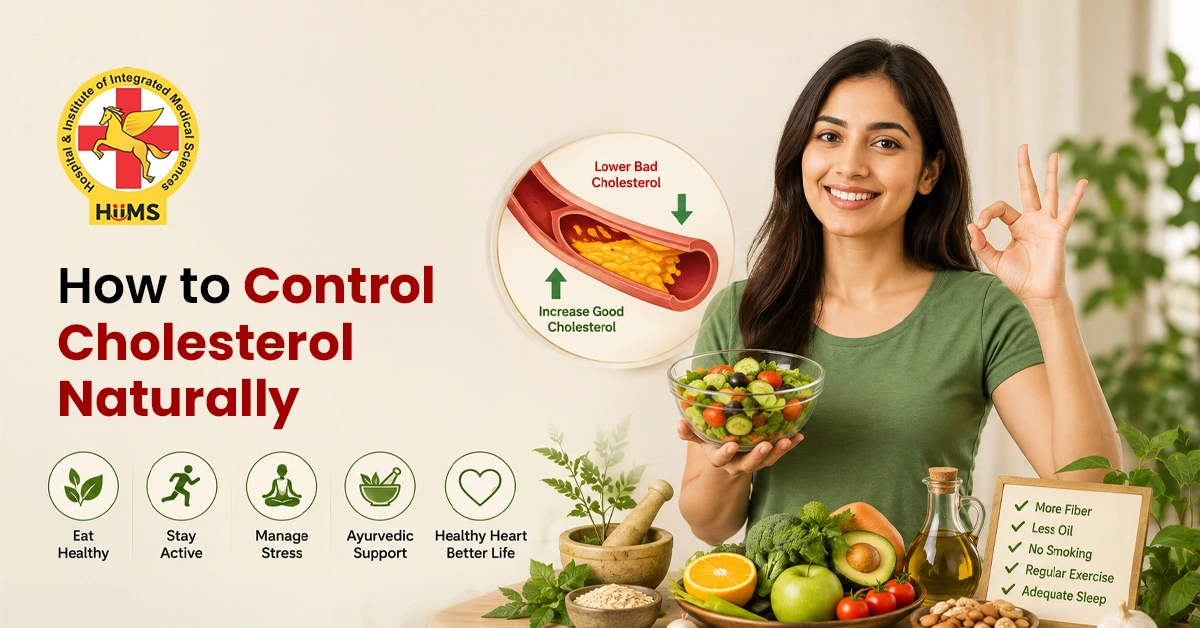

A cholesterol report with red flags doesn’t have to mean an immediate lifetime on medication. How to control cholesterol naturally genuinely comes down to a handful of consistent changes, diet, movement, and a few Ayurvedic principles that work quietly in the background over weeks.
This isn’t about one dramatic overhaul; it’s about small habits stacked together, sustained long enough to actually matter. This blog walks through what genuinely helps, from what’s on your plate to specific Ayurvedic tips worth building into your routine.
What Actually Raises Cholesterol? A Quick Recap
Cholesterol itself isn’t the villain; your body needs it. The trouble starts when LDL, the “bad” kind, builds up faster than your liver and digestion can process it.
Ayurveda ties this back to Medo Dhatu, your body’s fat tissue, getting disrupted by a combination of Ama, accumulated toxins, and weakened Agni, your digestive fire.
Once digestion slows down chronically, fat doesn’t metabolise properly, and that shows up as rising numbers on a lipid panel over time.
Cholesterol Diet: What to Eat More Of
A genuinely supportive cholesterol diet leans on a few consistent food groups:
- Fibre-rich foods like oats, barley, and legumes, which help bind excess cholesterol in the gut
- Fatty fish or plant-based omega-3 sources like flaxseed and walnuts
- Fresh fruits and vegetables, especially those with natural antioxidants
- Warm, freshly cooked meals over cold, raw, or leftover food
Cholesterol Diet: What to Cut Back On
Just as important as what you add is what you scale back:
- Fried and deep-fried food is a major contributor to LDL buildup
- Refined sugar and processed snacks
- Excess dairy and red meat, particularly fatty cuts
- Cold drinks and iced beverages, which Ayurveda considers harder on digestion
The pH-Balanced Plate System: Acharya Manish Ji’s Approach
Acharya Manish Ji’s approach to diet correction, including for cholesterol support, is built around a simple pH-balanced plate system used at each meal:
- Plate 1: Seasonal fruits or a vegetable salad, portioned based on body weight
- Plate 2: A light, home-cooked meal, khichdi, millet dishes, or simple dal and roti
- Meals kept consistent in timing, with dinner ideally lighter and earlier in the evening
- Warm, freshly prepared food favoured throughout, rather than heavy or reheated meals
This structure naturally reduces processed and fried food intake simply by prioritising fresh, whole ingredients at every meal, without needing to count or restrict anything obsessively.
Ayurvedic Tips Worth Building Into Your Daily Routine
Beyond diet, a few specific Ayurvedic practices are traditionally used to support fat metabolism and digestion:
- Start the day with warm water and a squeeze of lemon, believed to gently stimulate Agni first thing in the morning
- Chew a teaspoon of soaked fenugreek seeds before breakfast, traditionally used to support fat and sugar metabolism
- Add trikatu, a mix of ginger, black pepper, and long pepper, to meals to help kindle digestive fire
- Practise Abhyanga, a warm oil self-massage, once or twice a week, believed to support circulation and ease heaviness in the body
- Eat your largest meal around midday, when Agni is considered naturally strongest, rather than at night
- Avoid eating late at night or immediately before sleeping, since undigested food is believed to directly feed the Ama buildup
How to Control Cholesterol Naturally
A few herbs come up consistently in natural cholesterol management through Ayurveda. Guggul is traditionally used to support fat metabolism and is one of the more studied herbs in this space.
Arjuna bark supports overall heart function alongside cholesterol balance. Triphala, taken with warm water, is commonly used to support digestion and gentle detoxification.
These are generally most effective when paired with consistent dietary correction, not used as a standalone fix, and it’s worth checking with a practitioner before starting any of them, especially if you’re already on cholesterol medication.
Lifestyle Habits for Healthy Cholesterol Levels
Beyond diet and herbs, a few daily habits genuinely support healthy cholesterol levels:
- A brisk 30-minute walk most days, helping raise HDL, the “good” cholesterol
- Consistent sleep since poor sleep is linked to disrupted fat metabolism
- Warm water throughout the day, instead of cold considered easier on digestion in Ayurveda
- Quitting smoking entirely is one of the more direct ways to improve cholesterol balance
Does Stress Actually Affect Cholesterol Reduction?
Genuinely, yes. Chronic stress raises cortisol which in turn affects how your body processes fat and sugar, often leading to poorer cholesterol numbers over time.
Simple daily practices like pranayama, a short walk, or even ten minutes of quiet reflection can meaningfully support cholesterol reduction alongside diet changes, since managing stress isn’t a side note here; it’s a genuine part of the picture.
How Long Does Natural Cholesterol Management Take?
Depends, mostly on where you are starting from and how consistent you actually stay.
Most people who stick with the diet, herbs, and daily movement together start noticing real movement in their numbers somewhere around 6 to 12 weeks in. Not overnight, not even in two weeks. It’s the small stuff, done daily, adding up slowly rather than one big change flipping the switch.
Conclusion
How to control cholesterol naturally really comes down to consistency across diet, digestion, movement, and stress, working together rather than any single fix carrying all the weight. Small, sustainable habits, kept up over months rather than weeks, tend to make the real difference.
If you want a personalised plan built around your specific cholesterol levels and constitution, you can book a VOPD consultation with us and talk to our expert doctors & team members.

FAQs
Q1. Will diet changes alone get my cholesterol back to normal?
For a lot of people, yes, genuinely. Though it depends on where you started and your overall health picture too.
Q2. Does warm water actually beat cold water here?
Ayurveda says so, warm water sits easier with digestion and fat metabolism, and cold water’s considered rougher on the system.
Q3. How often should I get my cholesterol checked while doing this?
Every 8 to 12 weeks works well, gives you a real sense of whether things are actually moving.
Q4. Can I just start taking Guggul on my own?
Better to check with a practitioner first, especially if you’re already on cholesterol medication, and don’t want anything clashing.
Q5. Does exercise alone do the job without fixing my diet too?
It helps, no doubt, especially for HDL. But pair it with the diet changes, and you will see a lot more actually happening.

Leave a comment