



Starting a family is an important life decision, and for many couples, the journey towards parenthood may not always happen as expected. Months of trying to conceive without success can bring emotional stress, confusion and several questions. Is it related to hormonal changes? Could there be an issue with sperm health? Are irregular periods affecting ovulation?
Infertility is a reproductive health concern that can affect both men and women. It may be linked to hormonal imbalances, reproductive conditions, sperm-related problems, age or other medical factors. In some cases, the exact reason may not be identified even after evaluation.
According to the World Health Organization (WHO), approximately one in six people of reproductive age experience infertility during their lifetime. This makes awareness, timely evaluation and access to appropriate fertility services important.
For couples exploring infertility care in Hajipur, understanding the common causes, possible signs, diagnostic tests and available fertility options can be a helpful first step towards making informed decisions.
What Is Infertility and When Should You Seek Medical Guidance?
Infertility is generally defined as the inability to achieve pregnancy after 12 months or more of regular, unprotected sexual intercourse.
However, the recommended time to seek an evaluation can depend on the woman’s age and medical history:
- Women below 35 years: Consider a fertility evaluation after 12 months of trying without contraception.
- Women aged 35 years or above: Seek an evaluation after six months of trying.
- Women above 40 years: An earlier evaluation may be appropriate.
- Known reproductive health concerns: Do not wait for these time periods if there are irregular or absent periods, suspected endometriosis, previous pelvic infections, known sperm-related concerns or other conditions associated with fertility problems.
It is also important to understand that infertility is not always related to the female partner. Male factors, female factors, a combination of both or unexplained factors may contribute.
The American College of Obstetricians and Gynecologists (ACOG) provides guidance on when to consider an infertility evaluation.
What Are the Common Causes of Female Infertility?
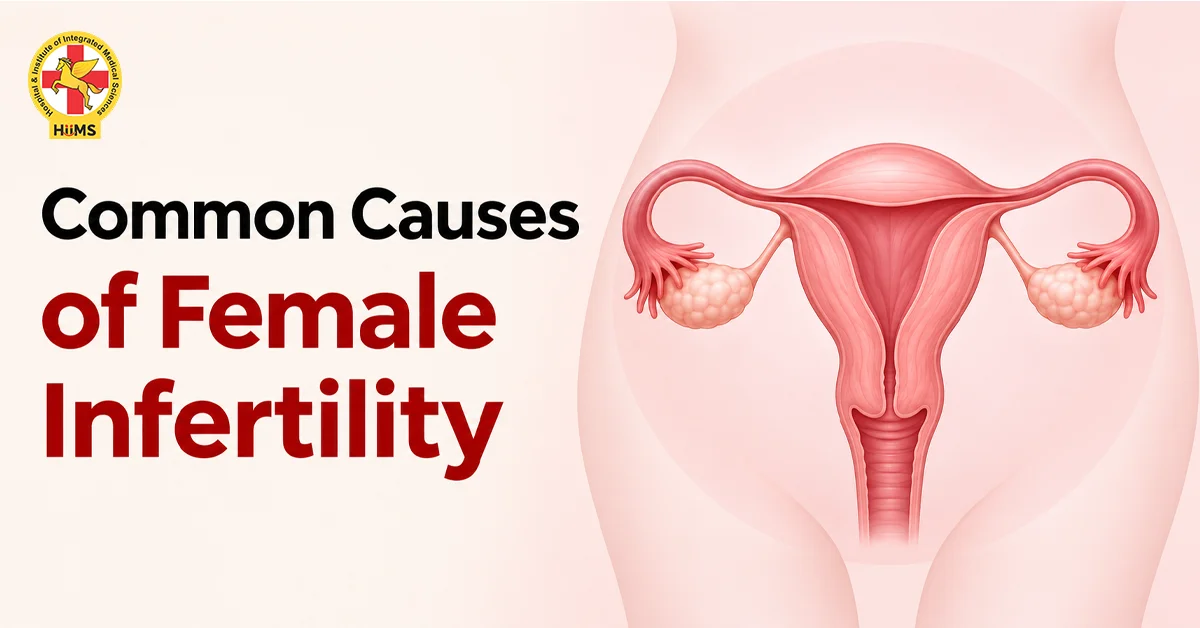
Female fertility depends on several processes working together. The ovaries need to release an egg, the fallopian tubes must allow the egg and sperm to meet, and the uterus must support implantation and pregnancy.
A problem affecting any of these stages may contribute to difficulty conceiving.
1. Ovulation Disorders
Ovulation is the process in which an ovary releases an egg during the menstrual cycle. Irregular or absent ovulation can make conception difficult.
Some possible reasons include:
- Polycystic Ovary Syndrome (PCOS)
- Thyroid disorders
- Hormonal imbalances
- Premature ovarian insufficiency
- Significant changes in body weight
- Certain endocrine conditions
Women with ovulation-related concerns may experience irregular periods, long gaps between menstrual cycles or absent periods.
2. Blocked or Damaged Fallopian Tubes
The fallopian tubes carry the egg from the ovary towards the uterus. If these tubes become blocked or damaged, the egg and sperm may not meet.
Possible contributing factors include:
- Previous pelvic infections
- Sexually transmitted infections
- Pelvic inflammatory disease
- Previous abdominal or pelvic surgery
- Endometriosis
A doctor may recommend an investigation such as hysterosalpingography (HSG) to assess whether the fallopian tubes are open.
3. Endometriosis
Endometriosis is a condition in which tissue similar to the lining of the uterus grows outside the uterus. It may cause pelvic pain, painful periods and discomfort during intercourse.
In some women, endometriosis can affect the ovaries, fallopian tubes and surrounding reproductive structures, which may influence fertility.
4. Uterine Conditions
Certain conditions affecting the uterus may interfere with implantation or pregnancy.
These include:
- Uterine fibroids
- Endometrial polyps
- Uterine adhesions
- Congenital uterine abnormalities
Not every fibroid or polyp affects fertility. Its location, size and individual medical circumstances matter.
5. Age-Related Changes
Female fertility generally declines with age, particularly as the number and quality of eggs decrease over time. This is one reason why women who are in their mid-30s or older may be advised to seek an evaluation sooner.
Understanding the Causes of Female Infertility can help women identify possible concerns and discuss suitable investigations with a gynaecologist or fertility specialist.
What Are the Common Causes of Male Infertility?
Male infertility is an important part of reproductive health and should be evaluated with the same attention as female infertility.
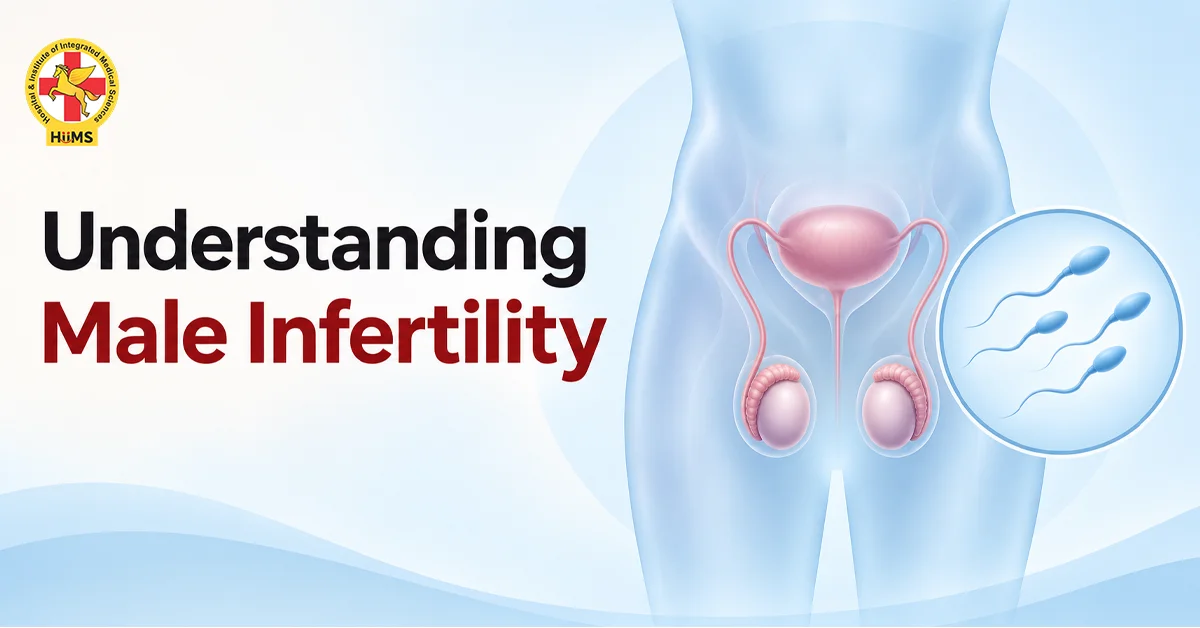
Sperm production, sperm movement, sperm structure and the ability to deliver sperm are all relevant to conception.
Some common Causes of Male Infertility include:
1. Low Sperm Count
A lower-than-expected sperm count may reduce the likelihood of sperm reaching and fertilising an egg. A semen analysis is commonly used to assess sperm concentration.
2. Poor Sperm Motility
Sperm motility refers to how effectively sperm move. Reduced movement may make it more difficult for sperm to reach the egg.
3. Abnormal Sperm Morphology
Morphology refers to the shape and structure of sperm. Certain abnormalities may affect sperm function and fertility.
4. Varicocele
A varicocele is an enlargement of veins within the scrotum. In some men, it may be associated with changes in sperm production and quality.
5. Hormonal and Reproductive Conditions
Problems involving testosterone or other reproductive hormones may affect sperm production. Blockages in the reproductive tract, previous infections and testicular conditions may also contribute.
6. Lifestyle and Environmental Factors
Some lifestyle factors can affect reproductive health, including:
- Smoking and tobacco use
- Excessive alcohol consumption
- Anabolic steroid use
- Obesity
- Exposure to certain environmental toxins
- Poorly controlled chronic health conditions
Understanding these factors is important when discussing Male Infertility Care and possible medical options with an andrologist or fertility specialist.

What Are the Common Infertility Symptoms in Men and Women?
One important point about infertility is that many people do not experience obvious physical symptoms. Difficulty conceiving may be the only noticeable sign.
However, some associated symptoms can indicate an underlying reproductive health concern.
Infertility Symptoms in Women
Women may experience:
- Irregular menstrual cycles
- Periods that are absent or unusually infrequent
- Very painful menstrual cramps
- Pelvic pain
- Unusual hair growth or severe acne associated with hormonal conditions
- Pain during intercourse
- A history of endometriosis or pelvic infections
These signs do not automatically confirm infertility. They may indicate conditions that deserve medical evaluation.
Infertility Symptoms in Men
Male infertility often has no obvious physical symptoms. However, some men may experience:
- Difficulty with erection or ejaculation
- Reduced sexual desire
- Pain, swelling or a lump in the testicular area
- A history of testicular injury or surgery
- Hormonal symptoms such as changes in body hair
If you notice these concerns, consult a qualified healthcare professional rather than relying on self-diagnosis.
How Is Infertility Diagnosed?
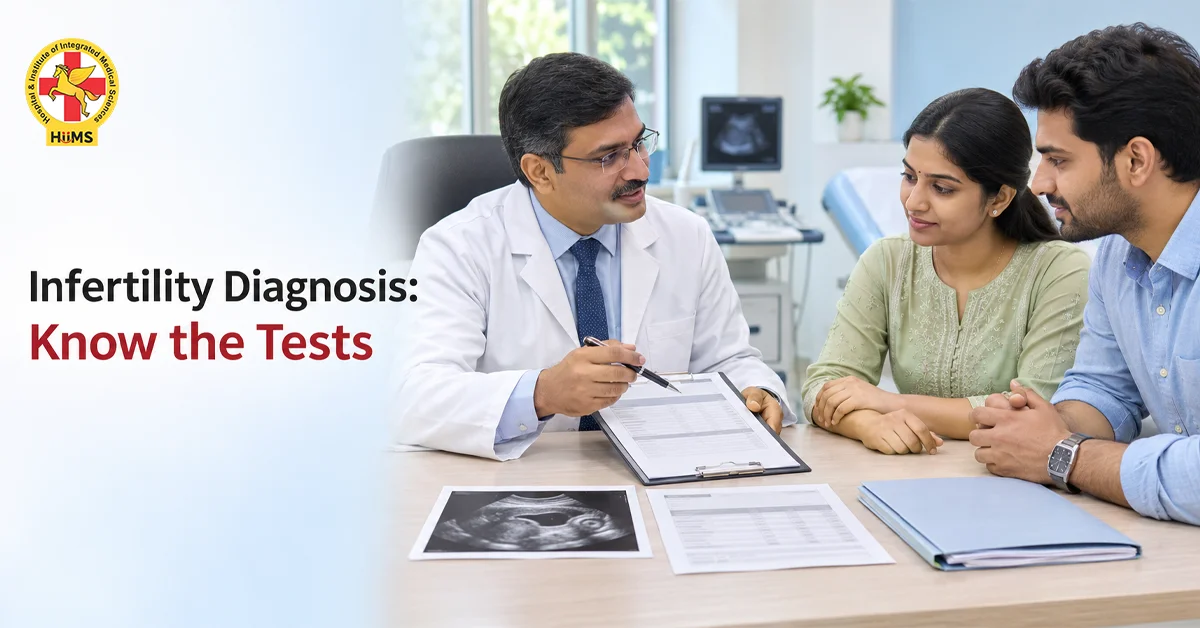
An accurate evaluation helps identify possible reproductive concerns and guides the next steps. A fertility specialist usually reviews the medical history of both partners before recommending investigations.
Tests for Female Fertility
Depending on symptoms and medical history, investigations may include:
- Hormone tests: Certain blood tests may help evaluate reproductive hormones, thyroid function or other suspected hormonal concerns.
- Pelvic ultrasound: Helps assess the uterus, ovaries and certain structural abnormalities.
- AMH testing: May provide information about ovarian reserve, but cannot independently predict whether a woman will conceive naturally.
- Ovulation assessment: Menstrual history and selected tests may help evaluate whether ovulation is occurring.
- HSG: Helps assess whether the fallopian tubes are open and can also provide information about the uterine cavity.
Tests for Male Fertility
Male fertility evaluation commonly begins with:
- Semen analysis: Assesses sperm concentration, movement and shape.
- Hormone testing: May be recommended if there are signs of hormonal concerns or abnormal sperm production.
- Physical examination: Helps identify certain testicular or reproductive conditions.
- Ultrasound: May be advised when a structural problem is suspected.
Both partners should ideally undergo evaluation at the same time. This can help avoid unnecessary delays and provide a clearer understanding of the possible factors involved.
What Fertility Care Options Are Available in Hajipur?
The appropriate fertility approach depends on the cause of infertility, the age of the individuals, medical history and previous evaluation results.
People looking for Fertility Care in Hajipur can explore consultations and diagnostic services before deciding on any procedure.
Some available medical options include:
1. Lifestyle and Medical Guidance
For some individuals, addressing an underlying hormonal condition, reviewing medicines, managing weight or improving certain lifestyle habits may be part of the fertility plan.
The approach depends on the diagnosed concern. Lifestyle changes alone are not sufficient for every fertility condition.
2. Ovulation Induction
Ovulation induction involves the use of prescribed medicines to support egg development and ovulation in selected women who have difficulty releasing eggs regularly.
It requires medical supervision and appropriate monitoring because the medicines can have side effects and may increase the risk of multiple pregnancy.
3. Intrauterine Insemination (IUI)
IUI is a procedure in which prepared sperm is placed directly into the uterus around the time of ovulation.
It may be considered in selected cases depending on sperm parameters, reproductive health and other clinical factors.
4. In Vitro Fertilisation (IVF)
IVF involves collecting eggs from the ovaries and fertilising them with sperm in a laboratory. An embryo may then be transferred into the uterus.
IVF may be considered for different fertility concerns, including certain tubal conditions, some cases of male-factor infertility and unexplained infertility.
5. Intracytoplasmic Sperm Injection (ICSI)
ICSI is a specialised procedure in which a single sperm is injected directly into an egg during an IVF cycle. It may be considered in selected cases, particularly when certain sperm-related factors are present.
6. Fertility Preservation
Some people may need to preserve eggs, sperm or embryos before medical procedures or health conditions that could affect future fertility. Cryopreservation may be discussed when appropriate.
Not every individual needs advanced procedures such as IVF or ICSI. A specialist should explain the expected benefits, limitations, risks, and costs.
7. Natural and Ayurvedic Support
Alongside medical options, many couples also look for a gentle, natural approach. Ayurveda looks at digestion, sleep, daily routine, stress and overall health, so the body is better prepared for conception.
Its role is supportive. It does not replace a proper medical evaluation. Let us see how Jeena Sikho HiiMS approaches this.
Infertility Care in Hajipur at Jeena Sikho HiiMS Through Ayurveda
Ayurveda sees fertility as a part of your whole health. It gives importance to digestion, nourishment, sleep, daily routine, and the emotional well-being. Ayurvedic support for infertility at Jeena Sikho HiiMS starts by understanding your body, habits and fertility history. Then the doctor plans care for you.
Herbs Used in Ayurveda
Your doctor may use these herbs, depending on your condition:
- Shatavari: Ayurveda has long used it to support women’s reproductive wellness.
- Ashwagandha: People often take it for strength and to ease daily stress.
- Guduchi: It is a common choice in Ayurveda for general wellness.
- Gokshura: Traditionally used in reproductive and urinary care
Panchakarma Therapies
In selected cases, a doctor may suggest these therapies:
- Vamana and Virechana: Cleansing therapies that remove extra toxins from the body
- Basti: A medicated enema that helps balance Vata
- Nasya: Herbal oil applied through the nose
- Raktamokshana: A cleansing therapy done in selected cases
- Uttar Basti: A special therapy given only in selected cases and by trained doctors
Preparing the Body Before Conception
Ayurveda also stresses preparation before pregnancy. Ideas such as Beej Shuddhi and Garbh Shuddhi focus on the healthy food, regular routines, proper rest and a calm mind.
Many people value this gentle, natural approach, as it supports the body step by step. Take herbs and therapies only under the guidance of a qualified Ayurvedic doctor.
Habits That Support Fertility
Small daily habits shape reproductive health, so a few simple changes can support your body as you plan for pregnancy.
- Eat fresh, home-cooked meals with seasonal fruits, vegetables and whole grains
- Sleep at a fixed time every night
- Walk daily or practise gentle yoga
- Avoid smoking and heavy alcohol use
- Practise deep breathing to manage stress
These simple habits work best when you follow them every day, along with the care plan your Ayurvedic doctor suggests.
Conclusion
Starting a family can bring many questions, and the answers begin with understanding the cause. Know the common signs, get both partners evaluated, and choose a team that explains each step in plain words.
For couples seeking infertility care in Hajipur, a natural and integrated approach can sit alongside proper health evaluation. Jeena Sikho HiiMS Hajipur brings Ayurveda, food habits, and lifestyle guidance together to address the root cause of a concern. Book a VOPD consultation and speak with an Ayurvedic doctor from home. Share your reports and take each step at your own pace.

FAQs
1. How common is infertility?
The World Health Organization says about one in six people of reproductive age face infertility during their lifetime.
2. When should a couple see a doctor?
See a doctor after 12 months of trying. If the woman is 35 or above, see one after six months.
3. Does infertility affect only women?
No. Male factors, female factors, both together, or unexplained factors may play a part.
4. Can a person have infertility without any symptoms?
Yes. Difficulty conceiving may be the only sign.
5. Can daily habits support fertility?
Yes. Fresh meals, steady sleep, light daily movement, and avoiding smoking and heavy alcohol can support reproductive health over time.
Leave a comment