

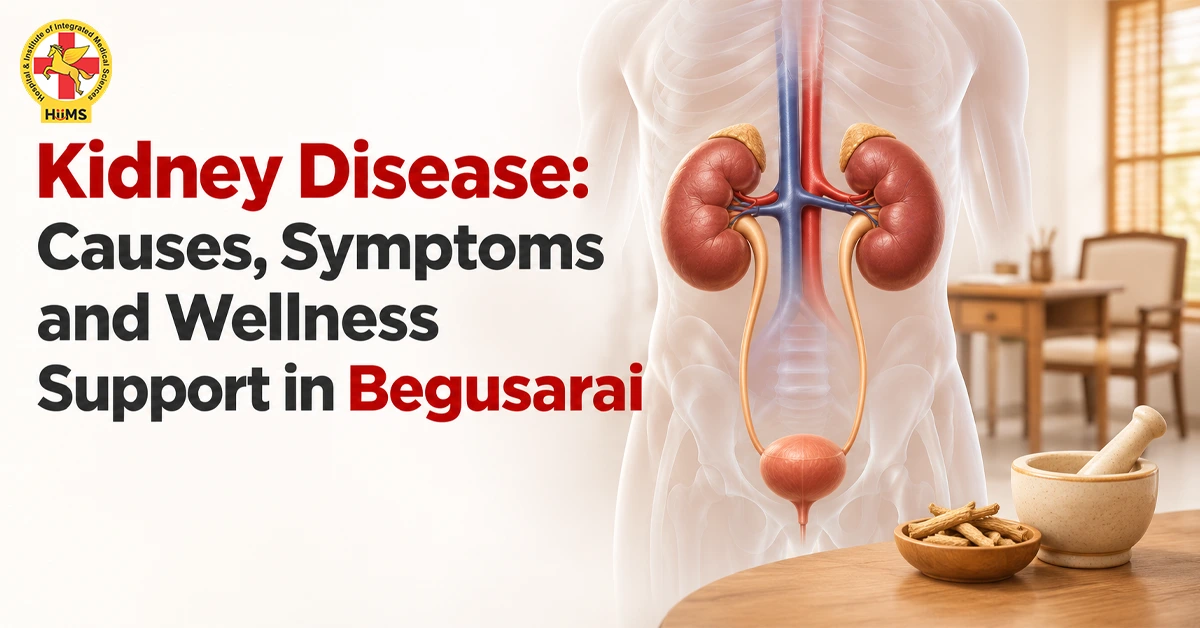

The kidney is a vital organ used to remove unwanted waste and excess fluids and to control mineral levels. Chronic kidney disease can develop due to underlying medical problems such as diabetes, high blood pressure and frequent urinary tract infections. Chronic kidney disease often grows slowly, and many will not present with any symptoms. It is therefore important to have regular check-ups.
If you are looking for kidney disease management in Begusarai, it is important to know what could be causing the issue, what symptoms to look out for and what conventional therapies are available. You will be able to get specialist advice, blood and urine tests, dietary advice and proper medical oversight. Regular testing is very important if you suffer from diabetes, high blood pressure or have a family history of kidney disease. This blog describes the most common kidney problems, symptoms, wellness support and what to look for in a health care facility in Begusarai.
Understanding Kidney Disease and Its Impact on Health
Kidney disease is a general term used to describe a disease affecting one or both kidneys. Healthy kidneys filter waste products from the blood. They also help to keep body fluids and electrolytes balanced. They also play an important role in maintaining blood pressure, helping to produce red blood cells and helping keep bones healthy.
Chronic Kidney Disease (CKD) occurs when kidney function is reduced or symptoms of kidney damage have been present for 3 months or more. It can develop slowly depending on the underlying cause and any other health problems that you may have. In general, chronic kidney disease is divided into 5 stages depending on your eGFR, amongst other factors like how much albumin you have in your urine.
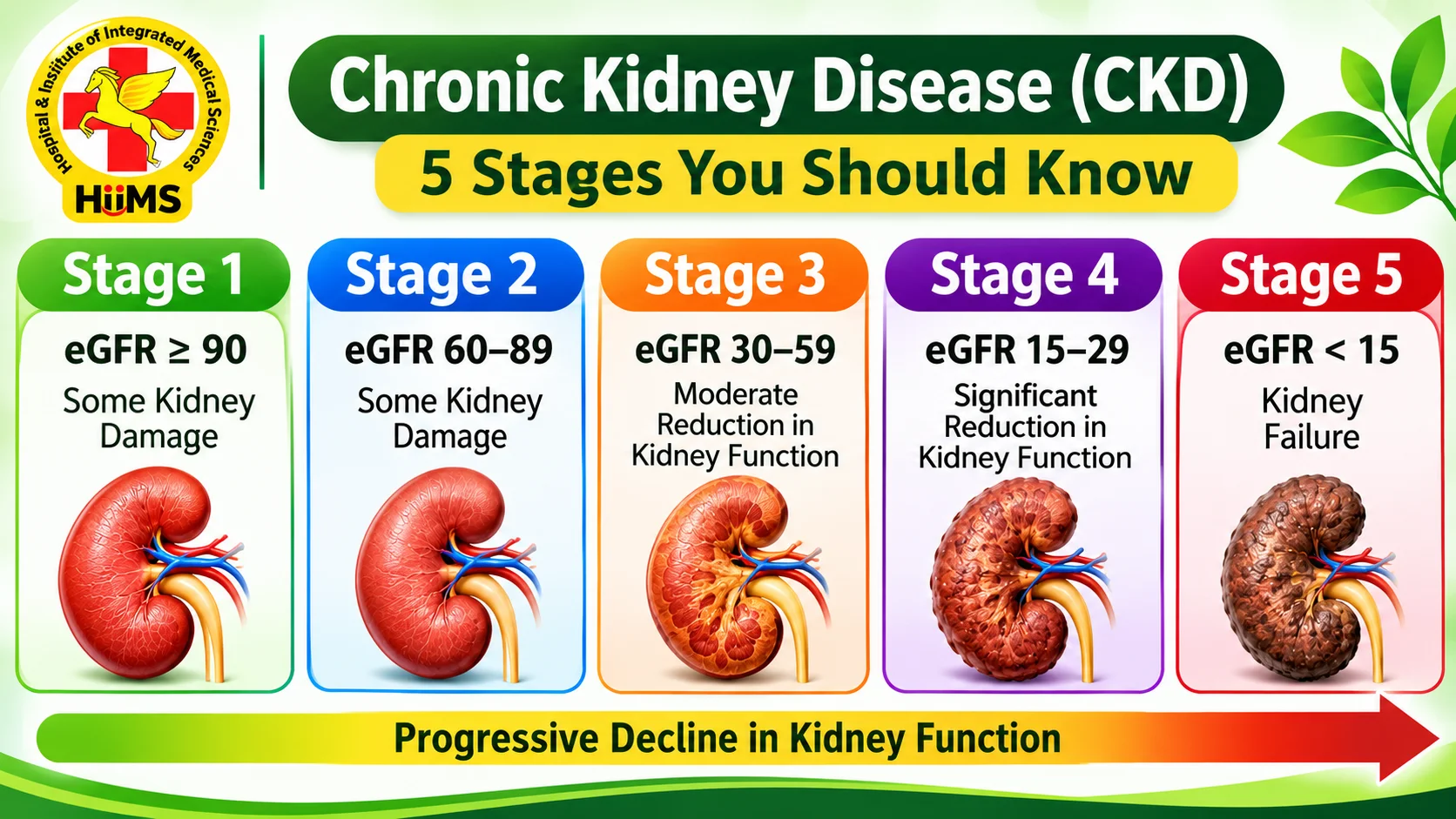
- Stage 1: eGFR is 90 or more and there is some kidney damage.
- Stage 2: eGFR is between 60 and 89, and there is some kidney damage.
- Stage 3: eGFR is between 30 and 59, showing some reduction in kidney function.
- Stage 4: eGFR is between 15 and 29, showing significant reduction in kidney function.
- Stage 5: eGFR is less than 15, showing kidney failure.
Sometimes stage 3 is split into 3a and 3b by your doctor. Your results will not be decided on just by an eGFR result.
Other factors will also be taken into consideration such as medical history, amount of albumin in your urine, blood pressure and further tests. Common Causes of Kidney Disease
Understanding the causes of kidney disease is important for identifying risk factors and planning appropriate care. Several health conditions and lifestyle factors can influence kidney function.
1. Diabetes
Diabetes is one of the major risk factors for chronic kidney disease. Persistently high blood glucose levels can damage the small blood vessels and filtering units inside the kidneys. Over time, this may reduce their ability to filter waste effectively. People living with diabetes should monitor their blood glucose, blood pressure and kidney function as advised by their healthcare professionals.
2. High Blood Pressure
Uncontrolled hypertension can place additional pressure on the small blood vessels in the kidneys. Continued strain may affect their filtering capacity and contribute to kidney damage. Regular blood pressure monitoring, prescribed medicines and appropriate dietary changes are important parts of managing this risk.
3. Urinary Tract Infections and Blockages
Repeated urinary tract infections, particularly when they involve the kidneys, may affect kidney health. Conditions such as kidney stones or urinary tract blockages can also interfere with the normal flow of urine. Persistent infections or urinary difficulties should be medically evaluated rather than managed through self-medication.
4. Genetic and Other Health Conditions
Some forms of genetic disorders (such as polycystic kidney disease) can cause problems with the kidneys. Other causes may include certain autoimmune conditions, chronic dehydration and repeated kidney damage. Knowing the cause will help your doctor decide on the best kidney disease wellness support.
Early Signs and Symptoms of Kidney Disease
Being aware of early signs of kidney disease can prompt you to seek medical attention. However, in the early stages of CKD there may be few symptoms. As your kidneys begin to fail, symptoms will become more obvious. Some common symptoms are
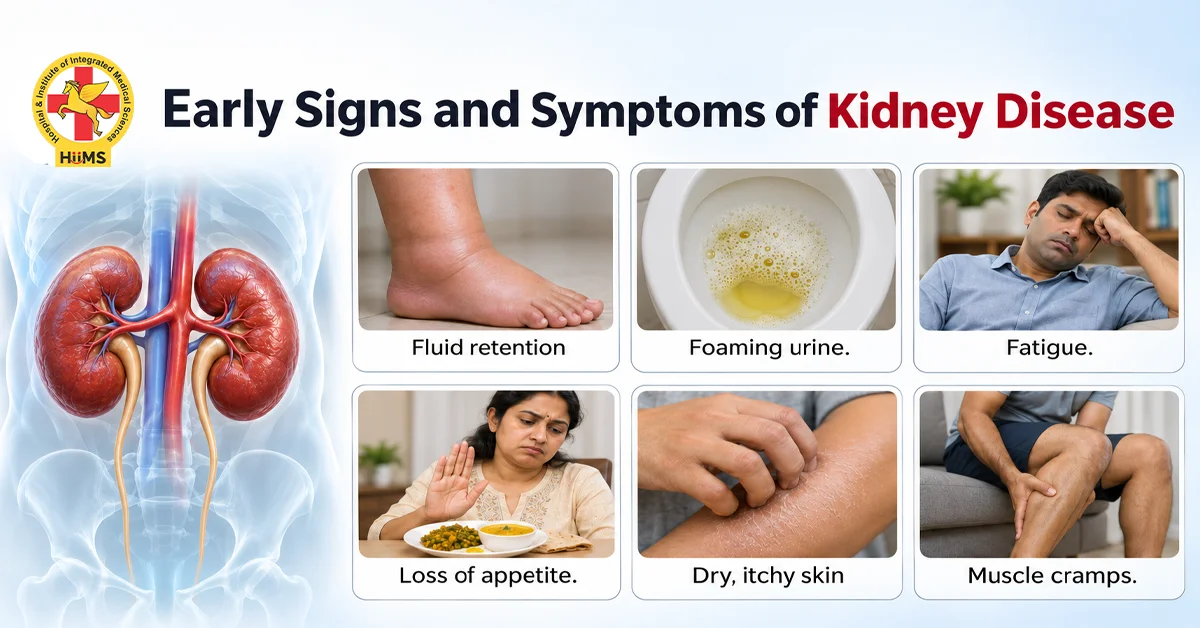
- Fluid retention causing puffiness around the eyes and swelling in the feet, ankles and hands.
- More frequent or less frequent urination, especially at night.
- Foaming urine. If your urine is consistently foamy or bubbly, this could be a sign of leaking protein and should be investigated.
- Fatigue. You may feel tired due to anaemia or high levels of waste products building up.
- Loss of appetite. Some people may feel sick or vomit. They may also have a metallic taste in their mouth.
- Dry, itchy skin. This can be caused by changes in minerals and build-up of waste products.
- Muscle cramps. This can be caused by changes to electrolytes and kidney function.
These symptoms can be caused by a number of different health problems.
To be diagnosed with kidney disease you need to visit a medical professional who can investigate appropriately.
Related Post: 5 Warning Signs Your Body Gives Before Kidney Failure
If you are struggling with these symptoms, talk to our experts today.

Diagnosis and Kidney Disease Management Options in Begusarai
If you are looking for kidney management in Begusarai, then you should look for a facility that can offer the right tests, specialist advice and ongoing medical care. Your doctors may recommend various therapeutic options based upon the stage of kidney disease you have, what is causing your kidney disease and your general health.
1. Medical Management
Medical care is focused at helping control those conditions that can affect kidney function, such as diabetes and hypertension. You may be prescribed medications to help control your blood pressure, blood sugar levels, anaemia and any other problems you may have. Blood and urine tests will be done regularly to monitor kidney function.
2. Dietary and Lifestyle Modifications
You may have some advice from a renal dietitian on your diet. This will depend on your kidney health care and blood test results. Some key points to remember are:
- Limiting high amounts of salt so that your fluid and blood pressure is kept in balance.
- Keeping a check on how much potassium you are having if you need to due to your blood test results.
- Adjusting phosphorus intake if your kidney function is reduced.
- Your protein requirements will depend on what stage your CKD is and if you are on dialysis.
- Your fluid intake will depend on how much urine you pass, swelling and other medical issues.
- Do not go on any restrictive diets or increase your water intake without professional advice.
3. Dialysis or Kidney Transplantation
If your kidneys aren’t able to remove enough waste products and excess fluid from your blood, you may be advised to have dialysis. This depends on your medical requirements, overall health and suitability. Whilst many people with chronic kidney disease may require dialysis, not everyone will.
Kidney Care in Begusarai: Hospitals and Specialist Consultations
People looking for kidney care in Begusarai can explore healthcare facilities that provide general medical consultations, diagnostic investigations and kidney-related services.
Kidney Care at Jeena Sikho HiiMS
Jeena Sikho HiiMS offers a holistic approach to healthcare based on Ayurveda, Naturopathy, Yoga and Personalised Diet and Lifestyle advice.
This is done by using 4 main pillars of care, Aahar (Diet), Vihar (Lifestyle), Shaman (Medication) and Shodhan (Therapies). This can include consultations with Ayurvedic practitioners, bespoke diet advice, Panchakarma therapies and supportive naturopathy therapies. The GRAD System and DIP Diet are also offered. These focus on lifestyle practices and dietary guidance according to individual health requirements.
If you are looking for Ayurvedic kidney management in Begusarai, you can find out more about Jeena Sikho HiiMS and their consultations and VOPD services. If you have kidney disease, you should always speak to your nephrologist before using any herbal remedies, supplements or specialist therapies.

Lifestyle Measures to Support Kidney Health
Along with medical supervision, certain daily habits may support overall kidney health and help manage associated risk factors.
- Monitor blood pressure and blood glucose regularly.
- Reduce excess salt consumption.
- Follow a personalised kidney-friendly diet.
- Maintain a healthy body weight.
- Stay physically active according to your health condition.
- Avoid smoking.
- Take prescribed medicines as advised.
- Avoid unnecessary painkillers and unverified herbal supplements.
- Attend regular blood and urine investigations.
People with existing kidney disease should follow individual medical advice regarding food, fluids and physical activity.
Conclusion
Identifying reasons behind kidney problems, symptoms and possible kidney disease management in Begusarai can help individuals make informed choices around their healthcare. It is important to get an early assessment of your kidney function. You should monitor your kidney function regularly, have any dietary advice specific to your condition and get the correct medical support. If you are experiencing changes to your urinary function, ongoing swelling or unusual tiredness, speak to a qualified healthcare professional. Those looking for an integrative approach to their healthcare can find out more about our Jeena Sikho HiiMS VOPD consultation facilities. Getting medical advice at the correct time and having a care plan specific to your health needs is key.
FAQs
1. What are the early symptoms of kidney disease?
In early stages there may not be any symptoms. Some symptoms that could indicate kidney disease include swelling, foaming urine, changes in urinary frequency, fatigue and reduced appetite. Investigations will need to be done.
2. What are the common causes of kidney disease?
Diabetes, poorly controlled hypertension, recurrent kidney infections, urinary obstructions and polycystic disease (genetic causes) are a common cause of kidney disease.
3. What tests do you commonly do to find kidney issues?
Blood tests commonly done include serum creatinine, eGFR, uACR in urine and blood pressure. If required, an ultrasound can be performed.
4. Can kidney disease be treated by Ayurveda?
A diet and lifestyle plan based on Ayurveda can be tried and used as part of supporting overall wellness. This should be done under the guidance of a qualified professional.
5. Will all kidney patients need dialysis?
No, dialysis is generally only considered for the severely affected kidneys. Many people with the CKD can be managed with medication, diet changes and regular monitoring.
Leave a comment