

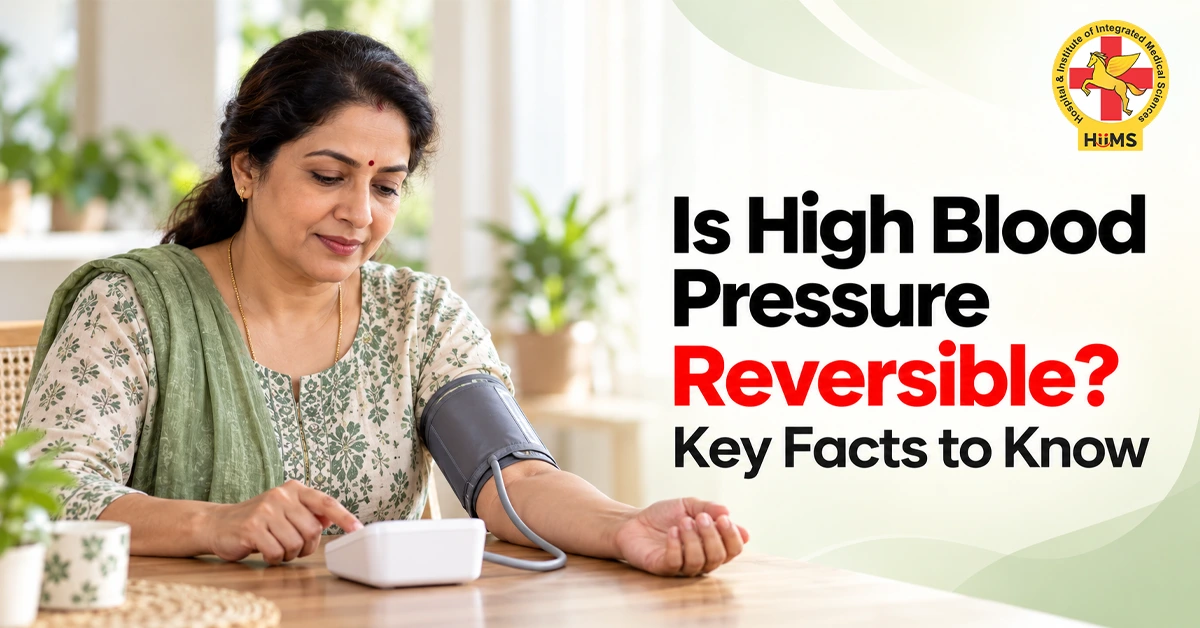
High blood pressure is a common health concern, but many people do not realise they have it until they get their blood pressure checked. It often develops quietly and may remain unnoticed for years.
This is why people often ask, is high blood pressure reversible, especially when their readings begin to rise.
The answer depends on why the blood pressure is high and how the body responds to changes in daily habits. Age, family history, body weight, stress, lack of physical activity, high salt intake, poor sleep and the certain health conditions can all play a role. Some of these factors can be changed, while others cannot.
For many people, improving food habits, becoming more active, maintaining a healthy weight, sleeping well and managing stress can help reverse high blood pressure naturally. Alongside these habits, natural and Ayurvedic principles that focus on calming the body from within often support this process in a gentler way. Regular monitoring remains important throughout this journey.
Is High Blood Pressure Reversible?
The word “reversible” can be understood in a positive way when we talk about blood pressure. A person may bring their blood pressure into a healthy range through consistent lifestyle changes, and this can be an encouraging sign that the body is responding well to the healthier habits.
So, is high blood pressure reversible in every person? The answer can be different for each individual. High blood pressure may be linked to the several factors, including age, genetics, kidney health, hormonal conditions and daily habits.
When lifestyle factors are contributing significantly, simple changes such as reducing the excess salt, eating more fresh foods, staying physically active and keeping a healthy weight can help promote the healthier blood pressure levels.
If your blood pressure is a concern, get it checked regularly and discuss your readings with a healthcare professional.

Can High Blood Pressure Be Reversed Through Lifestyle Changes?
People often search for answers to the question: Can high blood pressure be reversed through natural changes alone?
Lifestyle matters a lot, but its effect can differ from person to person. Following healthy habits each day can support the overall balance and may help keep blood pressure within a healthier range.
1. Pay Attention to the Salt Intake
Salt is an important part of cooking, but too much sodium can contribute to the raised blood pressure. The World Health Organization recommends that adults consume less than 5 grams of salt a day, which is about one teaspoon. You can read more about this recommendation in the WHO guidance on sodium reduction.
Instead of only thinking about the salt added while cooking, look at packaged foods, salty snacks, sauces and ready-made foods as well.
2. Eat More Fresh and Simple Foods
A daily diet based around fresh vegetables, seasonal fruits, whole grains, pulses, nuts and suitable sources of protein can support overall health.
It is also useful to reduce frequent intake of highly processed foods, foods high in salt and foods with excessive added sugar.
Food choices do not need to become complicated. Simple home-cooked meals can be a good starting point.
3. Stay Physically Active
Regular movement helps the heart and blood vessels work better and also supports healthy body weight. Walking, cycling, swimming, yoga, and other forms of physical activity can become part of a person’s daily routine.
Even if someone has a busy schedule, small changes such as taking regular walking breaks and spending less time sitting can be useful.
4. Maintain a Healthy Weight
Extra body weight can put added pressure on the heart and may increase the risk of high blood pressure. Maintaining a healthy weight through the gradual lifestyle changes can support the better blood pressure management.
The idea should be to make steady changes rather than following very strict diets or going for sudden weight loss.
The Role of Ayurveda and Lifestyle in Blood Pressure Management
Ayurveda gives importance to the food, daily routine, rest, activity and each person’s individual needs as key parts of overall health. At Jeena Sikho HiiMS, the focus stays on understanding the root cause and other possible factors behind a health concern through a well rounded Ayurvedic approach.
This can also help people learn how to reverse high blood pressure through better lifestyle habits and personalised Ayurvedic care. Food choices, physical activity, stress management and suitable Ayurvedic practices are considered based on what the individual actually needs. Keeping a regular check on blood pressure still remains important for long term health and balance.
Ayurvedic Approach for Blood Pressure Management at Jeena Sikho HiiMS
Ayurveda looks at blood pressure from a broader perspective by considering food, daily routine, sleep, stress and overall body balance. At Jeena Sikho HiiMS, the approach focuses on understanding the possible root factors and supporting healthier habits through the personalized Ayurvedic care. The Ayurvedic approach for blood pressure management at HiiMS includes practices such as Panchakarma, hydrotherapy, breathing practices, grounding and selected Ayurvedic herbs.
Panchakarma and Hydrotherapy
Panchakarma includes the classical Ayurvedic procedures such as Vamana, Virechana, Basti, Nasya and Raktamokshana. Selected hydrotherapy practices, including hot water immersion and lower leg immersion, may also be considered according to individual suitability. These therapies should be carried out under qualified guidance.

Breathing Practices and Grounding
Gentle breathing practices such as left nostril breathing and alternate nostril breathing may be included to encourage relaxation. Grounding, such as walking barefoot on grass or soil, may also be used as a simple relaxation practice. These approaches are described by HiiMS as supportive practices and should be selected according to individual needs.
Why Choose an Individualised Approach?
Every person’s health needs are different. Jeena Sikho HiiMS considers factors such as food habits, sleep, stress, activity and overall health while planning suitable Ayurvedic care. The blood pressure care approach at Jeena Sikho HiiMS focuses on addressing possible underlying factors while supporting the healthier daily habits.
What a Patient Shares About Their Journey
A patient at Jeena Sikho HiiMS describes the changes they experienced after making changes to their daily food and lifestyle habits. The person talks about losing 13 kg, following a fruit-based eating routine, avoiding certain foods after guidance, and regularly monitoring blood pressure and blood sugar at home.
The person also shares that they had been taking sugar and blood pressure medicines for several years and later stopped them. They further describe improvement in knee discomfort and changes in their overall routine.
Watch the complete video here:
Conclusion
So, is high blood pressure reversible? For many people, especially those who catch it early and commit to real change, the body shows a remarkable ability to heal and balance itself again. It is not always a quick journey, but it is often a possible one when approached with patience and the right guidance.
At Jeena Sikho HiiMS Begusarai, our team believes in treating the person and not just the number on the machine, using a natural and balanced approach to the long term wellness. If you wish to understand your health concerns better, you can also book your free VOPD consultation with us and take the first step towards a calmer heart and a steadier life. 
FAQs
1. Is high blood pressure reversible?
For many people, especially with the early lifestyle changes, blood pressure can move towards a healthier range over time.
2. What causes high blood pressure?
Age, family history, body weight, stress, poor sleep and high salt intake can all contribute to it.
3. Does physical activity help reduce blood pressure?
Yes, regular movement like walking, cycling or yoga helps the heart and blood vessels work better.
4. How does Ayurveda view high blood pressure?
Ayurveda looks at blood pressure through food, daily routine, sleep, stress and overall body balance.
5. What is grounding, and how does it help?
Grounding, such as walking barefoot on grass or soil, is used as a simple relaxation practice.