

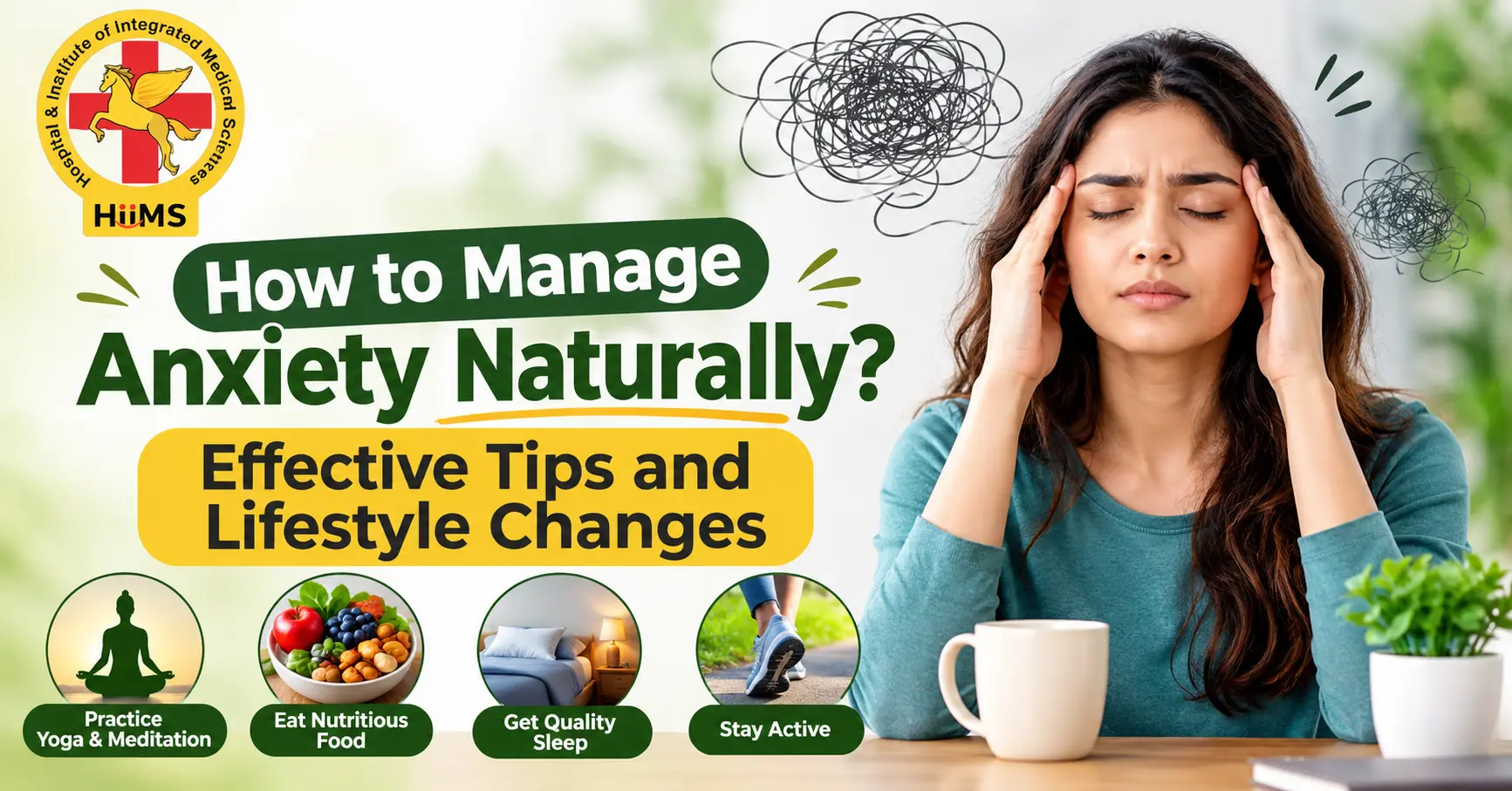

Feeling worried before an exam, a meeting, or a big decision is normal. However, when that worry lasts for weeks, it can hurt sleep, work, and home life. At that point, it may be anxiety. Many people want to manage it gently. Some turn to daily habits. Others look for anxiety treatment with a trusted care team.
Anxiety is far more common than most people think. For example, a Lancet Psychiatry study estimated that 44.9 million people in India lived with anxiety disorders in 2017. This blog explains what anxiety is, what causes it, and anxiety management in Bareilly. It also shows how to handle an attack and which natural steps can help over time.
What Is Anxiety and How Does It Show Up?
Anxiety is the body’s alarm system staying on when there is no real danger. Everyone feels it at times. Still, it becomes a concern when it is strong, lasts long, or gets in the way of daily life.
The signs show up in three ways. In the body, you may notice a racing heart, a tight chest, sweating, or shaky hands. Headaches, an upset stomach, and tiredness are common as well. In the mind, there is endless worry, poor focus and a fear that something terrible will happen. In behaviour, people may avoid certain places, snap at loved ones, or sleep poorly.
Because anxiety can feel heavy, please reach out for help at once if thoughts of self-harm appear. Knowing the signs helps you respond well.
Not sure whether this is normal stress or anxiety? Speak to our experts and find out.
Common Anxiety Causes
Anxiety rarely has a single trigger. Instead, anxiety causes usually build up from a mix of mind, body, and lifestyle factors:
- Ongoing stress from work, studies, money or family duties keeps the mind on high alert.
- Short or broken sleep makes the brain react more to worry the next day.
- Too much caffeine can make the heart race which feels a lot like panic.
- Thyroid problems and hormone changes can bring unease and nerves.
- Past trauma or a difficult childhood can make the mind quicker to sense danger.
- Long hours on phones and social media leave little quiet time.
Whatever the cause, anxiety can sometimes peak without warning. Thus, it helps to know what to do in that moment.
What to Do During an Anxiety Attack
An anxiety attack can feel scary. The heart pounds, breathing turns shallow and the mind says danger is near. Often, it peaks within minutes and then settles.
Simple anxiety attack management at home starts with these steps:
- First, move to a quiet spot and sit down.
- Next, breathe in through the nose for four counts, then out slowly for six.
- After that, name five things you see, four you can touch and three you hear.
- Sip water and loosen tight clothing.
- Last, skip tea, coffee, and energy drinks for the rest of the day.
But seek medical help quickly if attacks come often or chest pain is new or severe. Do the same if you are unsure that anxiety is the cause. These steps help in the moment, while daily habits do the longer work.
Natural Ways to Manage Anxiety: Tips and Lifestyle Changes
Natural anxiety management works best as a routine, not a one-time fix. Small habits, done every day, calm the nervous system over time.
Fix Your Sleep Routine
Go to bed and wake up at the same time each day. Also, keep screens away for an hour before sleep. As a result, the brain learns that it is safe to rest.
Practice Pranayama
Anulom vilom and bhramari slow the breath and quiet racing thoughts. Start with ten minutes each morning.
Practise Yoga and Meditation
Gentle yoga releases tension, while meditation trains the mind to notice worry without chasing it. A review of eight trials with 319 people found small short-term drops in anxiety with yoga compared with no treatment. But the effect was unclear for people with a formal anxiety disorder diagnosis. As a result, yoga works best as support alongside proper care.
Eat Regular, Simple Meals
Warm, fresh vegetarian meals at fixed times keep the body steady. In addition, cutting back on caffeine, sugar, and fried food can ease the jitters that often feed anxiety.
Move Every Day
A brisk 30-minute walk, cycling, or light exercise eases tension and lifts mood. Pick something you enjoy, because that makes it easier to keep up.
Take Screen Breaks and Write It Down
Short breaks from phones and news give the mind room to settle. Likewise, writing a few lines each night moves worries from the head onto the page.
Habits like these help many people, but some need more support. Here is how the usual options look.
Conventional Approaches and Their Limits
Doctors often treat anxiety with talk therapy, medicine or both. For instance, cognitive behavioural therapy helps people challenge anxious thoughts. Medicine on the other hand, can ease symptoms while a person builds coping skills.
Still, both routes have limits. Therapy needs time, regular sessions and access to trained experts. Meanwhile, medicine can cause side effects such as sleepiness or nausea, and some types are not meant for long-term use.
Many people never reach care at all. In fact, India’s National Mental Health Survey found a treatment gap of 75.7% for general anxiety disorder. This is one reason people look to Ayurveda, which manages anxiety through mind and body together.
How Ayurveda Looks at Anxiety and How It Helps
Ayurveda calls anxiety Chittodvega, a restless or disturbed state of mind. It sees mind and body as one system. The problem is traced to an imbalance, mainly in Vata dosha. Vata governs movement and the nervous system. When it rises, thoughts race, sleep turns light, and the body feels tense. Besides, the mind’s own restless qualities, rajas and tamas, add to the strain.
Because of this, Ayurvedic care aims to calm Vata and steady the mind, not just hide symptoms. It works through warm oil therapies and herbs to calm the nervous system. It also includes yoga, pranayama, meditation, and a steady routine to train the mind to settle.
Moreover, care is fitted to each person’s body type and daily life. Many of these supports come together in one step-by-step plan. That is how Jeena Sikho HiiMS applies them.
Anxiety Management in Jeena Sikho HiiMS Clinic Bareilly
Jeena Sikho HiiMS offers anxiety management in Bareilly through a whole-person approach that looks at the root of the problem, not only the symptom. First, care begins with a detailed consultation about sleep, stress, diet and daily habits. After that, a plan combines Ayurvedic medicines, herbs, diet, and mind-body practice. Follow-ups then keep the plan on track. The aim is gentle care that helps a person feel calmer.
However, if you need advanced care for anxiety, your expert may refer you to the nearby Jeena Sikho HiiMS hospital to receive Ayurvedic therapies. At Jeena Sikho HiiMS Bareilly, the Ayurvedic approach to managing anxiety includes:
Shirodhara
A thin stream of warm herbal oil flows over the forehead for a set time. Many people find it deeply calming.
Shirobasti and Shiro Pichu
In Shirobasti, warm oil is held on the head inside a close-fitting cap. In Shiro Pichu, on the other hand, a cotton pad soaked in warm oil rests on the crown. Both have been used for years to soothe the mind and aid sleep.
Abhyanga and Swedana
First, a warm oil massage eases muscle tension. Afterwards, gentle herbal steam known as Swedana helps the body unwind.
Nasya
It is a Panchkarma therapy. In this therapy, herbal oil drops are placed in the nostrils. Because Ayurveda calls the nose the doorway to the head, Nasya is used to care for the head and mind.
Zero Volt Therapy
This therapy involves walking barefoot on the ground. This grounding-based therapy is used to help the nervous system settle.
Herbs
Herbs are chosen for each person’s needs. Ashwagandha is a well-known one. For example, an Indian trial gave 64 adults under chronic stress either ashwagandha root extract or a placebo for 60 days. The ashwagandha group showed lower stress scores and lower cortisol, a stress hormone.
Diet
A simple, plant-based, pH-balanced diet helps keep digestion healthy and the body strong.
Mind & Body Healing
Guided yoga, meditation, and breathing help build a calm that lasts beyond the therapy room.
Ready to take the next step? Connect with Jeena Sikho HiiMS experts in Bareilly.
Conclusion
Anxiety is common, but it need not ruin your days. A steady routine, movement and yoga build calm. Ayurveda adds care for mind and body together. For people looking for anxiety management in Bareilly, Jeena Sikho HiiMS brings these supports into one plan.
Take the first step towards a calmer mind. Book a VOPD (video consultation) with Jeena Sikho HiiMS experts for anxiety management in Bareilly today. And receive personalised guidance for your health today.

FAQs
1. What is the difference between stress and anxiety?
Stress comes from a clear cause, such as a deadline and usually fades when the cause ends. Anxiety can stay even when the cause is gone.
2. Can anxiety be managed naturally?
Daily habits like steady sleep, breathing practice, yoga, and regular meals can help ease anxiety. If it affects your daily life, talk to a doctor.
3. How long does an anxiety attack last?
Most attacks peak within minutes and ease within half an hour. If they last longer or keep returning, seek expert help.
4. Which therapies does Jeena Sikho HiiMS use for anxiety?
The plan draws on Shirodhara, Shirobasti and Shiro Pichu, Abhyanga and Swedana, Nasya, and Zero Volt Therapy. Herbs, diet, and Mind & Body Healing support these.
5. Can I consult Jeena Sikho HiiMS experts online?
Yes, you can book a video consultation (VOPD) to consult a HiiMS expert from home.
Leave a comment