

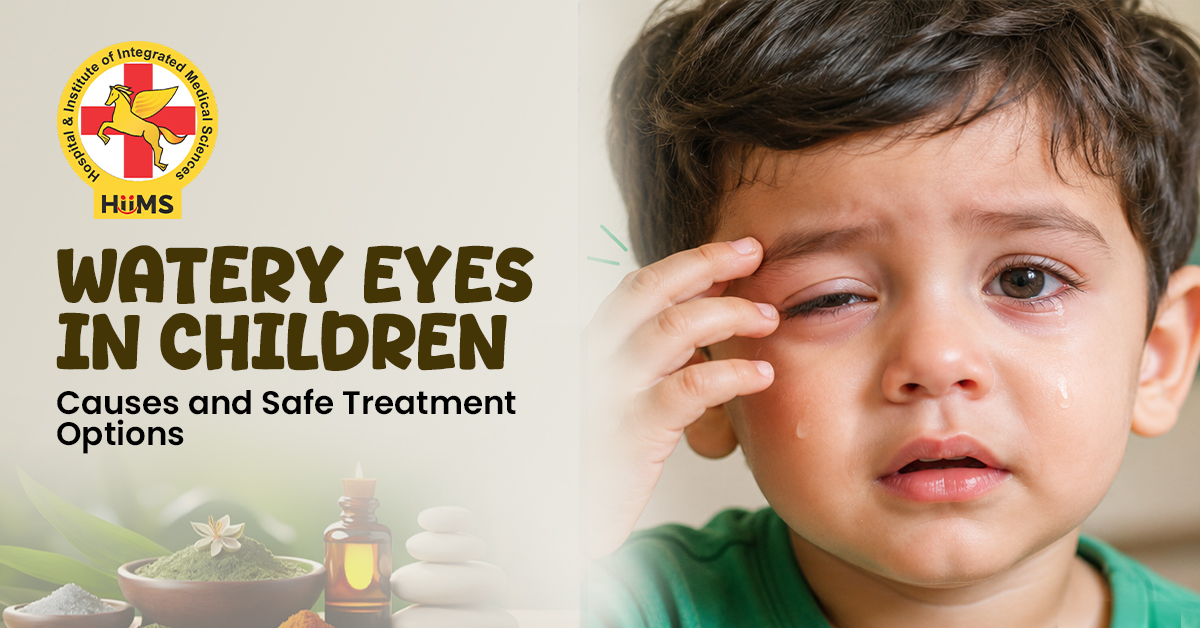
Many parents notice their child’s eyes watering again and again and usually think it is something minor. Maybe dust went inside, maybe the weather changed, or maybe the child rubbed their eyes too much. In the beginning, it does not feel serious. But when it keeps happening every day or shows up again after a few days, it starts creating concern.
Watery eyes in children are very common indeed. In many cases, they will resolve on their own, but sometimes, it could mean something is blocking the way or an allergy has developed. The problem with children is that they will not be able to express themselves properly. They will probably keep rubbing their eyes and looking uncomfortable and even a bit unhappy.
That is why parents need to observe small changes. Understanding the cause early can help manage the problem easily and prevent it from turning into something more uncomfortable later on.
When It Looks Small but Keeps Coming Back
Many parents notice their child’s eyes watering again and again and think it is just dust or the weather. Sometimes it is. But when it keeps happening, it starts raising questions. Is it normal? Should something be done?
Watery eyes in children are a frequent condition. For the most part, this condition resolves itself. However, some instances may require closer investigation.
The problem is that children may not be able to describe how they feel. Thus, parents should pay attention to symptoms such as wiping their eyes, redness, or continuous tears. Identifying the cause will ease future treatment.

What Exactly Are Watery Eyes?
Watery eyes simply mean that tears are coming out more than usual. Medically, it is often called excessive tearing.
Tears are important. They keep their eyes clean and moist. But when tear production increases or drainage gets blocked, it leads to excessive tearing of the eyes.
In children, this can happen for simple reasons or sometimes because of a small blockage in tear ducts.
Common Causes of Watery Eyes in Children
There is no single reason behind this condition. Every child will have a different cause for watery eyes. Some of the commonest watery eyes causes include:
- Tear duct blockage.
- Allergies that affect the eyes. These can be caused by dust, pollution, or pollen.
- An eye infection, such as conjunctivitis.
- A cold and a cough.
- Exposure to smoke or strong light.
- Dry air or screen exposure in older kids.
Sometimes, more than one factor is involved. That is why repeated symptoms should not be ignored.
Signs Parents Should Notice
Children may not say it clearly, but their behaviour shows it. Watch for:
- Constant tearing from one or both eyes.
- Sticky discharge, especially after sleep.
- Redness or mild swelling.
- Frequent eye rubbing.
- Sensitivity to light.
- Crusting near eyelids.
If these signs continue, it is better to look deeper instead of waiting.
Watery Eyes Due to Allergy
Allergies are a very common reason for watery eyes in children. Dust, pollen, pet hair, or seasonal changes can trigger irritation. In such cases, watery eyes often come with itching, sneezing, a runny nose, and red eyes. Managing watery eyes due to an allergy usually helps reduce tearing as well. Keeping surroundings clean and avoiding triggers makes a big difference.
Simple Ways to Stop Watery Eyes
Many cases can be managed at home if the cause is mild. Some simple steps if you get worried about how to stop watery eyes:
- Gently clean the eyes with clean water.
- Use a soft cloth to wipe away the discharge.
- Maintaining clean hands to prevent infections.
- Avoiding dust and smoke inhalation.
- Reducing time spent on the computer.
- Application of a warm compress for relief.
In cases where babies suffer from clogged tear ducts, massage around the eyes is usually recommended. But it should be done carefully and only if guided properly.
When You Should Not Ignore It
There are times when waiting is not the right choice. Consult a doctor if:
- Tearing continues for many days.
- Eyes look very red or swollen.
- Thick yellow discharge is seen.
- The child feels pain or irritation.
- Vision seems affected.
- Symptoms keep coming back.
Early check helps rule out infection or blockage.
Natural and Supportive Care Approach
Some parents also look for gentle and routine-based care options. One such place is the Hospital and Institute of Integrated Medical Sciences, which works as an integrated Ayurvedic hospital. In this case, the emphasis lies in the consideration of the body in its entirety and handling worries in a more holistic fashion rather than concentrating solely on the symptoms. In such an approach, the importance of balance and routines becomes significant. It may involve:
- Diet modification
- Routine correction
- Gentle therapies
- Supporting immunity
The idea is to help the body settle naturally over time. Many families choose this kind of care along with regular treatment or for ongoing support. It is important to understand that this is not meant for emergency conditions, but more for steady and long-term care.

Conclusion
Watery eyes in children are common, but ignoring repeated symptoms is not a wise idea. In many cases, the reason is simple and manageable. However, in some cases, initial focus can avoid future problems.
The important thing here is observation, consistency, and reaching out for help where required. In case you require any advice or assistance from the VOPD, you may reach out to us on care@jeenasikho.com.
FAQs
Q1. Why do children suffer from watery eyes?
The common causes include blocked tear ducts, allergies, and mild infections.
Q2. How long does it take for the condition to heal in children?
This will depend on the causative agent since some conditions take a few days, but if due to blockage or allergies, it takes longer.
Q3. Can parents manage the condition without seeing a doctor?
One can manage the condition by ensuring hygiene, cleanliness, and keeping away from dust and irritants.
Q4. Are watery eyes a signs of fungal eye infection?
If one suffers from redness, irritation, inflammation, and other signs of infection, it is wise to seek medical intervention.
Q5. Under what circumstances should you see your pediatrician?
In case symptoms persist for several days and seem to worsen, you need to see your pediatrician.
Disclaimer: The information provided on this blog is for general educational and informational purposes only. It is not intended to replace professional medical advice, diagnosis, or treatment. Always consult a qualified healthcare professional before making any changes to your diet, lifestyle, or treatment plan. Individual results may vary.