

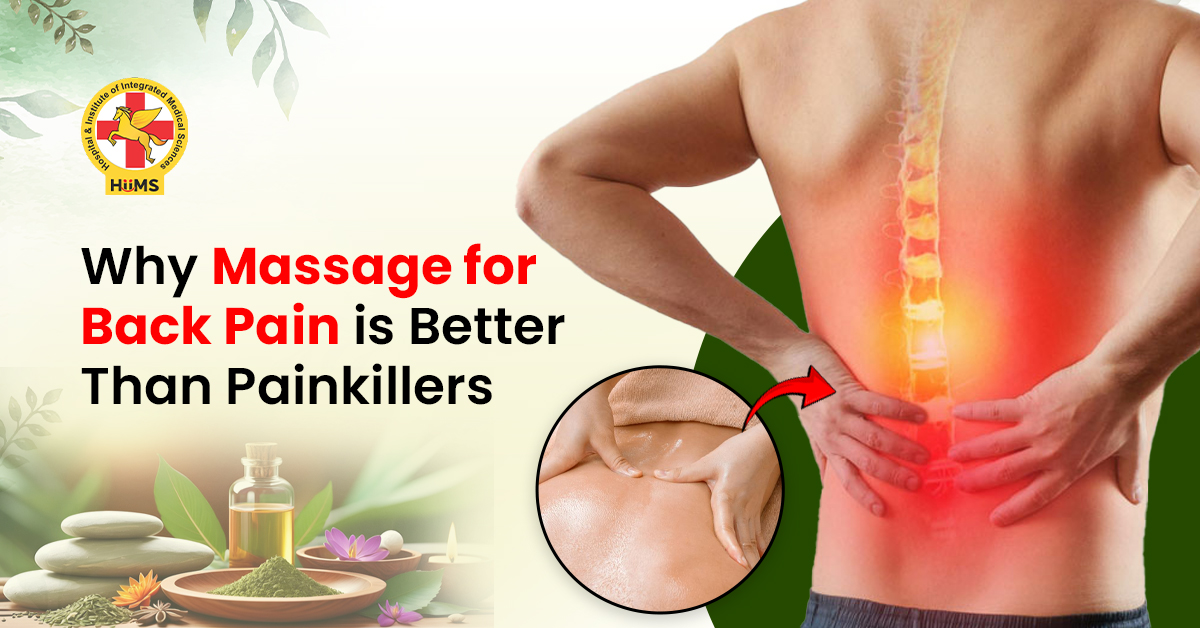
Back pain is something many people live with every day, even if they do not talk about it much. It can show up while sitting and standing, while driving, or even during simple tasks at home. When the problem starts affecting routine life, most people look for fast and instant relief. A painkiller feels like the easiest option because it works quickly and does not need much effort to do.
But over time, this habit creates a pattern. So that the pain settles down for a while, then comes back again. That is where massage for back pain starts making more sense. Massage does not overload the body; in fact, it works slowly, directly on tight muscles and stressed areas. Instead of hiding the pain, it helps the body relax and recover naturally.
In this blog, you will understand how back pain develops, why painkillers give only short relief, and how massage supports better comfort and long-term balance.
How Back Pain Builds Up Over Time
Back pain usually connects to daily habits. Sitting for long hours in the same place or position, bending repeatedly, poor posture, or lack of movement slowly strains the back. These actions do not cause pain instantly. The body adjusts at first. Muscles tighten a little, then a little more.
But over weeks or months, stiffness settles in the body. Blood flow reduces in stressed areas. Movement starts feeling limited over time. The pain feels familiar instead of sudden. This understanding helps people choose better back pain management rather than reacting only when the pain becomes strong.
The Common Dependence on Painkillers
Painkillers feel helpful because they act fast. Within a short time, the feeling of pain fades and daily activity becomes easier. This quick relief creates trust in medication.
However, painkillers mainly block pain signals or reduce inflammation temporarily. They do not relax muscles, improve circulation, or correct posture habits. When the effect of medicine goes off, the original pain is continues to exist. Over time, this leads to repeated use, especially when pain returns frequently.
Why Hiding Pain Is Not the Same as Healing
Healing works differently from pain masking. Long-term back pain management works only when people fix the cause instead of hiding the pain signal. When pain stays hidden, the body continues working under stress.
Repeated painkiller use delays recovery because muscles stay tight and movement patterns remain unchanged. The body needs support, not painkillers. This difference becomes clear when pain starts returning more often.
Massage for Back Pain: A More Natural Response
Massage for back pain works through touch. Hands move over stiff areas slowly, allowing muscles to soften at their own pace. Circulation improves naturally, and warmth spreads into tight tissues.
Massage also calms the nervous system. When the body feels relaxed, muscles stop resisting. This response supports recovery instead of forcing quick relief.
How Massage Supports Back Pain Therapy
In proper back pain therapy, massage plays a helpful role. It slowly relaxes tight muscles and improves blood flow in sore areas. This better flow helps the tissues receive oxygen and basic nourishment.
Massage also makes movement easier. Once muscles loosen, the body responds better to gentle activity. This combination supports steady improvement instead of repeated discomfort.
Massage vs Painkillers: A Clear Difference
Painkillers hide pain for a short time. Massage works on the real cause of the pain. Chemical-based pain medicines can lead to dependence when used often, while massage helps the body stay aware and balanced.
Because of this, massage fits better into long-term back pain management. It supports the body without creating reliance and helps people feel more in control of their recovery.
The Role of Back Pain Exercises Alongside Massage
After massage, muscles respond well to movement. Light Back pain exercises help maintain flexibility and strength. Simple exercises, monitored movement & flexibility, and posture correction prevent stiffness from returning. Any kind of physical movement keeps circulation active and supports healing between sessions.
When Massage Becomes More Than Just Relaxation
Occasional massage helps with daily muscle stiffness. But when pain repeats, spreads, or limits movement, deeper care becomes necessary. This is when casual massage is not enough.
Structured back pain therapy helps identify the cause and supports recovery safely under guidance.
Ayurvedic View on Massage for Back Pain
Ayurveda views back discomfort as a sign of internal imbalance, often linked to dryness and stiffness. Warm oil massage supports softness in muscles and joints. This approach keeps pressure gentle and focused on comfort rather than force.
Ayurvedic Back Pain Therapy at Jeena Sikho HiiMS
At Jeena Sikho HiiMS, care begins with individual assessment. Oil massage, supportive heat therapies, and lifestyle guidance work together. Massage is combined with posture advice, diet balance, and daily routine correction.
This integrated method strengthens back pain management instead of offering temporary relief.
Finding the Right Support Instead of Searching Randomly
Many people search for ayurvedic massage near me without knowing what to look for. Back pain needs trained supervision, not random techniques. Proper guidance ensures safety and effectiveness that you will find at Jeena Sikho HiiMS Hospitals.
Building a Sustainable Back Pain Management Plan
- Massage works best as regular care, not emergency relief.
- Consistency, posture awareness, proper rest, digestion balance, and stress control all support recovery.
- Small daily habits repeated over time create stability.
Conclusion
Choosing massage for back pain means choosing recovery over temporary numbness. Massage supports muscles, circulation, and the nervous system together. Over time, this approach feels steadier than relying on pills. When discomfort becomes regular, structured care helps prevent deeper strain.
For guidance, connect with Jeena Sikho HiiMS at +91 82704 82704 or email care@jeenasikho.com.

FAQs
1. How does massage support back pain management?
Massage supports back pain management by relaxing muscles, improving circulation, and reducing stiffness naturally.
2. How is massage used in back pain therapy?
Back pain therapy uses massage to prepare muscles for movement and support steady recovery.
3. Why are back pain exercises suggested after massage?
Back pain exercises help maintain flexibility and prevent stiffness after muscles relax.
4. Why do people look for an ayurvedic massage near me for back pain?
Ayurvedic massage near me searches reflect the need for supervised, balance-focused care.
5. Can massage reduce repeated painkiller use for back pain?
Massage addresses muscle tension and circulation, reducing reliance on medication over time.
