

A mouth problem generally starts with a very small thing. A sore after spicy food, a patch on the tongue, a little burning near the gums, or feeling uncomfortable while chewing can feel ordinary at first, so most people wait and watch. The issue starts when that small change does not go away and starts becoming part of daily life.
That is why paying attention to oral cancer symptoms is so important. Many people notice early signs but keep putting them aside because the pain is mild or the problem seems too simple to worry about. Habits like tobacco chewing, smoking, alcohol use, poor oral hygiene, and an unbalanced lifestyle can slowly make the mouth more vulnerable.
In this blog, you will learn how to notice warning signs early, what changes inside the mouth deserve attention, and when it is time to speak to a doctor. It is written in very simple language so the signs feel easy to understand and easier to act on.
Understanding Oral Cancer in Simple Words
Oral cancer means abnormal cells start growing in any part of the mouth. It can affect the lips, tongue, gums, inner cheeks, roof of the mouth, floor of the mouth, or the throat area. In everyday language, this is also called mouth cancer, and the early signs may look harmless until they stay for too long.
Why Oral Cancer Cases Are Increasing?
The number of mouth cancer cases grows when the mouth keeps facing repeated damage over time. Tobacco chewing, smoking, alcohol, poor brushing habits, HPV infection, and food choices that lack proper nutrition can all make the tissues weaker. Small injuries may heal slowly, and irritation may keep returning again and again.
Early Oral Cancer Symptoms You Should Not Ignore
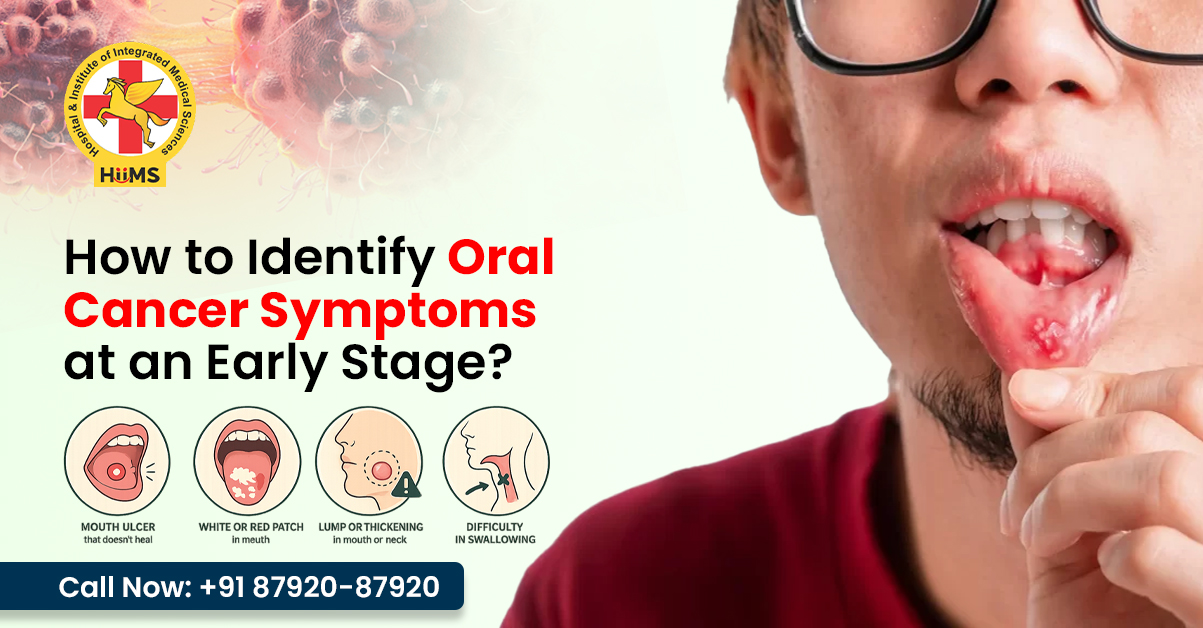
A Mouth Ulcer That Does Not Heal
A normal ulcer usually improves within a few days, but a sore that remains for two weeks or more should never be ignored. One of the most important oral cancer symptoms is a sore that does not heal even after home care, mouth rinses, or simple medicines.
White or Red Patches Inside the Mouth
A white patch, a red patch, or a mixed patch inside the cheeks, gums, or tongue may look minor in the beginning. These unusual spots are often linked with mouth cancer symptoms when they continue to stay in the same place instead of fading away.
Persistent Pain, Burning, or Numbness
Some people feel a burning sensation while eating, a tingling feeling on the tongue, or numbness in the lips without any clear reason. These signs may seem small, but they can be part of early changes inside the mouth.
Lump, Thick Skin, or Swelling Inside the Mouth
A hard spot, a thickened area inside the cheek, or swelling near the jawline can also appear as the condition develops. This kind of change inside the mouth should be checked if it does not settle down.
Difficulty While Swallowing or Chewing
When eating starts kind of feeling uncomfortable, chewing feels harder than usual, or food seems to get stuck in the throat, the mouth may be giving a warning. These changes may also affect speaking in a few cases.
Changes in Voice or Constant Bad Breath
A hoarse voice that stays for weeks, bad breath that does not improve after cleaning, or speech discomfort can also appear among early oral cancer symptoms. These are often missed because they do not always cause pain.
Loose Teeth Without Dental Reason
If teeth start loosening without a clear dental reason, or dentures no longer fit properly, the gums and jaw area may need a closer look. This is another sign that should not be put aside.
How to Identify Mouth Cancer Symptoms at Home?
Simple Self-Examination You Can Do Monthly
A monthly mouth check can help you notice changes early. Stand in front of a mirror in bright light, open your mouth wide, and look carefully at your lips, gums, tongue, inner cheeks, roof of the mouth, and floor of the mouth. Move your tongue from side to side and check underneath it as well. Then gently feel the jawline and neck for swelling or lumps.
What Kind of Changes Should Raise Concern?
Sometimes people notice that a mouth sore stays the same for days, a patch changes its colour, or a small swollen area does not settle down. Changes like these, especially when they keep coming back, deserve proper attention instead of being overlooked.
Who Is More at Risk of Developing Mouth Cancer?
Tobacco and Smoking Habits
Gutkha, khaini, cigarettes, and paan with tobacco are strongly linked with mouth cancer. Repeated exposure to tobacco can damage the lining of the mouth and slowly change the cells over time.
Alcohol Consumption and Combined Risk
In many people, drinking alcohol along with smoking or chewing tobacco becomes a regular habit for years. Because of this repeated exposure, the inner surface of the mouth may stay irritated for a long time instead of healing comfortably.
Poor Oral Hygiene and Chronic Irritation
For some people, a broken tooth corner or a denture that does not sit properly keeps touching the same part of the mouth throughout the day. After a point, that area may start feeling uncomfortable because it does not get enough time to recover normally.
Nutritional Deficiencies and Weak Immunity
A diet that lacks fresh fruits and vegetables may make the body weaker in repairing itself. Low immunity can also affect how the mouth handles irritation and damage.
HPV Infection and Other Medical Factors
In a few people, certain viral infections like HPV may also be linked with changes inside the mouth or throat. Those who already have low immunity or close family members with a history of cancer are usually advised to stay more careful about regular oral check-ups.
When Should You Consult a Doctor?
A mouth ulcer lasting more than two weeks, bleeding from the mouth, pain while swallowing, a lump in the mouth or neck, or long-lasting numbness should be discussed with a doctor without delay.
Many oral cancer symptoms look small in the initial stages, which is why people often wait too long. A delay may allow the problem to grow quietly, while early consultation gives expert doctors at Jeena Sikho HiiMS a better chance to plan for prevention in time.
Conclusion
Noticing oral cancer symptoms early can make a real difference because the mouth often shows warning signs before the condition becomes severe. A sore that does not heal, an unusual patch, a lump, swallowing trouble, or steady bad breath should never be treated like a normal issue for too long.
Checking the mouth from time to time, not ignoring unusual changes, and maintaining proper cleanliness can make a difference in noticing problems earlier. The condition of the mouth also depends a lot on daily routine and the kind of habits a person follows over the years.
If mouth-related discomfort continues for many days or you are struggling with similar health concerns, you may also speak with the expert doctors at Jeena Sikho HiiMS through a VOPD consultation for medical guidance and support.

FAQs
Q1: What is the first sign of oral cancer?
A sore that does not heal, a patch that stays in the mouth, or discomfort that keeps returning can be early warning signs.
Q2: Can mouth cancer start without pain?
Some early changes stay painless in the starting, which is why many people overlook them.
Q3: How often should the mouth be checked?
A simple self-check once a month can help you notice changes early and take action in time.
Q4: Which part of the mouth is most commonly affected?
The tongue, gums, inner cheeks, lips, and floor of the mouth are commonly involved in mouth cancer.
Q5: When should mouth changes be taken seriously?
Any sore, patch, lump, or swelling that stays for more than two weeks deserves healthcare attention.
Disclaimer: The information provided on this blog is for general educational and informational purposes only. It is not intended to replace professional medical advice, diagnosis, or treatment. Always consult a qualified healthcare professional before making any changes to your diet, lifestyle, or treatment plan. Individual results may vary.