
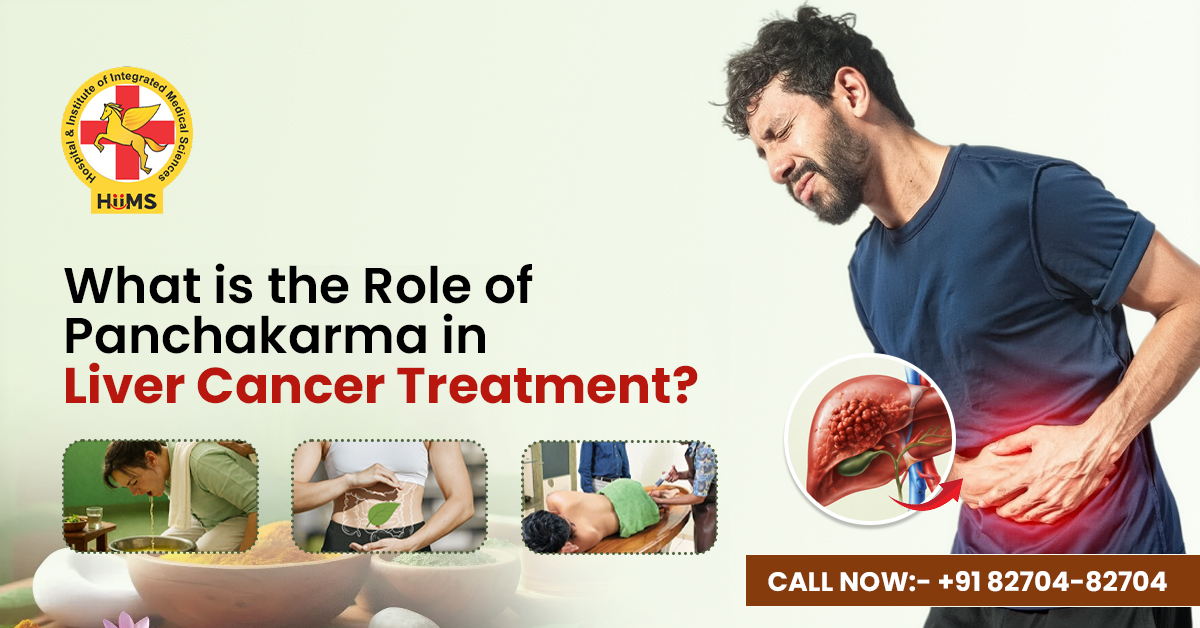
Constant tiredness, appetite loss, heaviness in the stomach, yellowish skin, swelling, or unexplained weakness are symptoms many people ignore for too long. The liver quietly handles hundreds of body functions every day, so when it starts struggling, the whole body slowly feels affected. That’s one reason many people today explore supportive Ayurvedic care alongside modern liver cancer treatment approaches instead of depending only on one side of care.
At Jeena Sikho HiiMS, we focus on therapies that support internal cleansing, digestion, circulation, and overall body balance naturally. Panchakarma is one such Ayurvedic approach often explored during supportive care.
Instead of only focusing on symptoms, the goal is to reduce internal toxic load, improve comfort, and support the body’s natural healing environment gradually. Many families now look toward liver cancer treatment in India that combines supportive wellness care with a more holistic healing approach.
Understanding Liver Health and Liver Cancer Treatment
The liver works almost nonstop. The liver helps filter toxins, supports digestion, processes nutrients, balances chemicals, and maintains overall internal stability. When liver function remains disturbed for a long period, the body slowly starts giving signs that people sometimes ignore at first. Some common liver cancer symptoms people notice include:
- Constant tiredness
- Loss of appetite
- Yellowish eyes or skin
- Abdominal discomfort
- Unexplained weight loss
- Nausea or bloating
- Weak digestion
This is where Ayurveda looks at the condition differently. Instead of viewing the liver alone, Ayurveda connects liver wellness with digestion, circulation, toxin buildup, emotional stress, and body balance. At Jeena Sikho HiiMS, Panchakarma therapies are explored carefully based on the patient’s condition, strength, and ongoing medical care.
Panchakarma and Natural Healing for Liver Disease
Ayurveda considers Panchakarma a cleansing and balancing process. The idea is not aggressive detox. It is more about supporting the body gradually so internal systems function better over time.
Many people exploring natural healing for liver disease often prefer supportive therapies because they want care that feels gentler on the body alongside their ongoing medical management.
Vamana Therapy
Vamana is associated with cleansing the upper digestive system and reducing excess Kapha related blockage. According to Ayurveda, when digestion weakens and toxins build up, internal channels slowly become congested.
Vamana therapy is traditionally explored in Ayurveda to support digestion and reduce metabolic burden affecting the liver indirectly. The therapy focuses on clearing excess buildup from the upper digestive system and improving digestive balance gradually.
Some people say they feel lighter afterward. Others notice digestion improving slowly. Of course, everybody responds differently, so experiences can vary.
Virechana Therapy
Among Panchakarma methods, Virechana is strongly associated with liver and Pitta balance support.
This therapy focuses on controlled cleansing through the digestive tract. Ayurveda connects the liver closely with Pitta functions, digestion and blood purification.
Virechana is often explored to support bile flow, reduce internal heat, and help the body eliminate accumulated waste more efficiently. At Jeena Sikho HiiMS, this therapy is always planned according to the individual’s body condition and medical status.
Role of Basti and Nasya in Supportive Care
Basti Therapy
Basti focuses mainly on Vata balance and colon cleansing, but Ayurveda also connects gut health deeply with overall body inflammation and toxin management.
When digestion stays disturbed for a long time, the liver may experience additional stress. Basti therapies are often explored to support gut balance, circulation, and overall internal stability.
People exploring supportive liver cancer treatment in India often look for approaches that improve overall comfort instead of focusing only on disease symptoms.
Nasya Therapy
Nasya mainly supports the head and nervous system region. But honestly, emotional stress, disturbed sleep, brain fog, and mental exhaustion are extremely common in long-term illness.
In Nasya therapy, medicated oils are administered through the nasal passage under supervision. Ayurveda traditionally associates this therapy with nervous system calmness, sleep support, and mental clarity.
Raktamokshana and Supportive Ayurvedic Care
Raktamokshana is traditionally linked with blood purification support in Ayurveda. In selected conditions, controlled bloodletting or leech-based methods may be explored carefully under proper supervision.
Some people dealing with itching, skin irritation, or heat related discomfort linked with liver weakness may explore supportive therapies like this depending on their condition.
At Jeena Sikho HiiMS, therapies are never approached randomly. Body strength, reports, symptoms, digestion, and overall medical condition are always considered before planning supportive care.
Why Many People Explore Ayurveda Alongside a Liver Hospital
Honestly, many patients today are not only searching for medicines. They are also searching for strength, recovery support, appetite improvement, mental comfort, and better day to day well-being.
That’s one reason why supportive Ayurveda care is now explored from a liver hospital or oncology setup.
Ayurveda does not claim overnight recovery. The focus is usually slower and deeper. Digestion support, toxin balance, emotional calmness, circulation, and internal stability are all considered important parts of long-term wellness support. And sometimes, patients simply want care that helps them feel more comfortable physically and mentally during difficult treatment periods.
Conclusion
Managing liver conditions is not only about reports, scans, or medicines. Energy levels, digestion, appetite, sleep, emotional well-being, and day to day comfort matter too.
Supportive Panchakarma therapies are often explored in Ayurveda to help the body maintain better internal balance during long term healing support. At Jeena Sikho HiiMS, we believe healing should support the body gently instead of creating unnecessary stress on it.
If things still feel confusing and you’re unsure what approach may suit your condition better, you can also connect with the doctors at Jeena Sikho HiiMS through a VOPD consultation and understand your health situation more clearly before deciding the next step.

FAQs
1. What is the role of Panchakarma in liver cancer treatment?
Panchakarma is usually explored as supportive Ayurvedic care focused on cleansing, digestion support, circulation, toxin balance, and overall wellness improvement.
2. What are the instances a person needs to consult the best liver doctor?
If signs such as loss of appetite, significant weakness, yellowing of skin and eyes, swelling, pain in the abdominal area, or abnormalities in digestion keep occurring, one should not hesitate to seek proper medical advice.
3. Which Panchakarma therapy is most associated with liver support?
Virechana is commonly connected with the liver and Pitta balance in Ayurveda because it focuses on digestive cleansing and toxin elimination support.
4. Should someone only depend on Ayurveda for liver cancer treatment in India?
Treatment decisions should always depend on the patient’s condition and proper medical guidance. A lot of people use Ayurveda as a supplement or supportive care while regularly undergoing their medical management.
5. Why do people explore natural healing for liver disease?
Many people prefer supportive methods that focus on digestion, internal balance, detox support, and overall body comfort alongside medical treatment.
Disclaimer: The information provided on this blog is for general educational and informational purposes only. It is not intended to replace professional medical advice, diagnosis, or treatment. Always consult a qualified healthcare professional before making any changes to your diet, lifestyle, or treatment plan. Individual results may vary.