

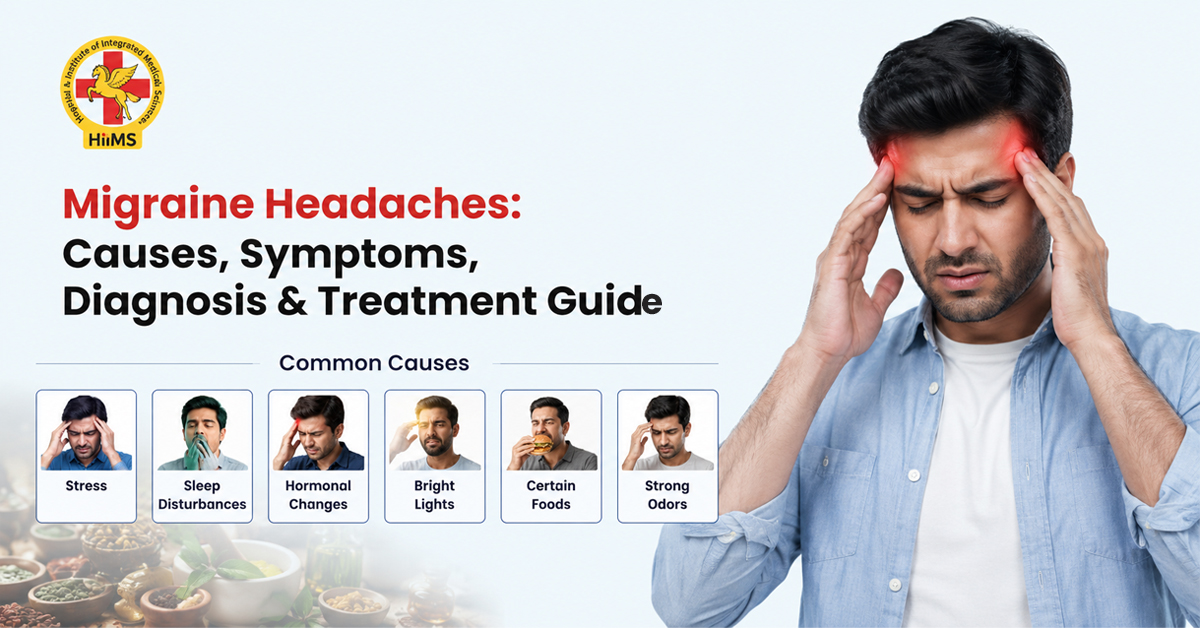
Some headaches pass after tea, water, or rest. Migraines usually don’t. They stay longer, feel heavier, and slowly start affecting daily life in ways people around you often don’t notice. One day, it’s a strong light that hurts your eyes. Another day, even normal sounds feel irritating. Then comes tiredness, mood swings, or nausea. That’s why understanding a real Migraine problem matters more than just taking random tablets for temporary comfort.
Many people spend years searching for proper Migraine relief without understanding what’s actually triggering the pain. Stress, sleep changes, hormonal shifts, screen exposure, or irregular eating habits can all play a role. Sometimes attacks happen suddenly. Sometimes the body gives signs much earlier.
The good thing is that migraines can be better managed once the triggers, symptoms, and body patterns become clearer. Proper care, a balanced lifestyle, supportive therapies, and the right Migraine treatment approach often help people feel more stable over time.
What Is a Migraine?
A migraine isn’t just a bad headache that comes and goes. People who deal with migraines know it feels much bigger than that. Sometimes the pain becomes so strong that even normal sounds, bright lights, or small daily tasks start feeling irritating.
For some people, a Migraine attack comes once in a while. Others struggle with it several times every month. The experience also changes from person to person. That’s why a single fixed Migraine solution doesn’t work for everyone.
Ignoring repeated migraines usually makes things harder later because the body keeps reacting to the same triggers again and again.
Migraine vs Headache: What’s the Difference?
A normal headache and migraine may sound similar, but honestly, they feel very different once you’ve experienced both.
A regular headache may create pressure or mild discomfort. Migraine pain often feels stronger, deeper, and more exhausting. Migraines can last for several hours and even up to a whole day. People experiencing them may have difficulties vomiting, seeing without a blur, getting irritated, or even feeling very weak.
Repeated attacks explain the impact that slows down the total capacity of a human, including sleeping, focusing, appetite, and mood. This is why proper Migraine treatment matters instead of depending only on temporary Migraine medicine.
Types of Migraine
Doctors usually classify migraines into different categories based on symptoms.
Migraine with aura
Some people notice warning signs before the pain actually begins. Flashing lights, tingling sensations, or strange visual patterns may appear first.
Migraine without aura
This type begins more suddenly. No warning. The pain simply starts building directly.
Chronic migraine
When headaches keep repeating many times during the month, doctors may consider it chronic migraine.
Ocular migraine
Vision problems become more noticeable here. Some people temporarily struggle seeing clearly during episodes.
Vestibular migraine
This type affects balance more. Dizziness and spinning sensations become difficult to ignore.
Migraine Symptoms: Stages Explained
Migraines often move through phases. Not everybody experiences every stage though, which honestly makes migraines even more confusing sometimes.
Prodrome Stage
Before the headache begins, the body may quietly give hints.
- Mood swings: The person may get irritated or quite down unexpectedly.
- Sleepiness: The body could experience fatigue without any clear reason.
- Food cravings: Sometimes the cravings appear for sweet or salty foods.
Aura Stage
This phase may happen shortly before pain begins.
- Vision disturbance: The person might notice flashing lights or blurring of spots.
- Tingling: Hands or face may feel slightly numb.
- Speech difficulty: Words may feel harder to pronounce properly.
Headache Stage
This is usually the most difficult phase.
- Throbbing pain: A severe pulsating migraine pain can drastically hamper normal activities.
- Nausea: Many people are not hungry and actually want to vomit.
- Light and sound sensitivity: Sometimes looking at very bright computer or phone screens or listening to very loud sounds can be miserable.
Postdrome Stage
Even after the pain settles, recovery can take time.
- Weakness: Feeling of being depleted of all strength is common after a depressive phase.
- Brain fog: Concentration is less efficient.
- Dizziness: The state of feeling lightheaded can last a while.
What Causes a Migraine?
Understanding real Migraine causes helps people manage attacks more carefully.
Main Causes
- Brain and nerve activity: Imbalance in neuron signalling can be the main cause of migraines.
- Hereditary factor: Migraine can be a thing that runs in the family.
Common Triggers
- Stress: One of the main contributors to migraines is emotional stress.
- Hormonal fluctuations: For many women, migraine become apparent during the times of hormonal changes.
- Inadequate sleep: Poor or irregular sleeping habit can cause the nervous system to break down.
- Skipping meals: Long-term separation from meals can evoke the headache.
- Screen exposure: Too much phone or laptop use affects many people now.
- Change of weather: Sometimes heat, humidity, or pressure changes are also ones that can start the attack.
Risk Factors for Migraine
Some factors increase the chances of recurring migraines.
- Family history: If migraines run in the family, the risk increases.
- Hormonal factors: One big reason women are more likely to suffer from migraines is the variation of hormones in their bodies.
- Lifestyle habits: Stress, poor food habits, dehydration, and lack of sleep all matter.
- Existing medical conditions: Certain neurological or health conditions may increase migraine frequency.
How Is Migraine Diagnosed?
Usually, the prognosis of the patient by a Migraine specialist or migraine doctor starts with a detailed patient assessment (discussion of symptoms, their frequency, and severity) and the patient’s medical history. Diagnosis may include:
- Physical examination
- Neurological evaluation
- CT scan or MRI in some cases
If headaches suddenly become unusual, severe, or frequent, medical advice should not be delayed.
Migraine Treatment Options
Different people respond differently to treatments.
Medicines
- Pain relief medicines: These are often used during active attacks.
- Medications for prevention: Some drugs are used to lessen the chance of future attacks.
Lifestyle-Based Treatment
- Sleep routine: You need to go to sleep and wake up at the same time every day.
- Food balance: Frequent meals which are properly hydrated will give a better base for your overall stability.
- Stress management: Relaxation practices help reduce triggers over time.
Natural and Ayurvedic Migraine Treatment
Many people now also look for natural support because constant painkillers don’t always feel sustainable long-term.
Panchakarma
Ayurveda considers Panchakarma supportive for balancing and cleansing processes in the body.
Ayurvedic Therapies
Shirodhara
Warm oil therapy on the forehead is traditionally linked with mental calmness.
Nasya
Herbal oil nasal therapy is commonly used in Ayurvedic migraine care.
Abhyanga
Massage therapy enhances relaxation as well as balancing the body.
Herbal Support
- Brahmi: It is most commonly used for enhancing perception.
- Ashwagandha: Often used for stress and nervous system support.
- Giloy: Linked with overall wellness and body balance.
Many people feel this kind of Migraine therapy works more gently with the body instead of creating temporary suppression only.
Migraine Relief at Home
Small things sometimes help during difficult moments.
- Resting in a dark quiet room
- Using a cold cloth on the forehead
- Drinking enough water
- Slow breathing exercises
- Eating light meals
Nothing extreme honestly. Small consistency usually works better long term.
Migraine Prevention Tips
Managing triggers early usually helps more than waiting for pain to begin.
- Keep a regular sleeping pattern
- Stay away from things that cause you to get a migraine
- Limit your screen time
- Eat nourishing and healthy meals
- Drink a lot of water daily
Simple consistency matters more than extreme routines.
When Should You See a Doctor?
Ignoring repeated migraines for too long usually creates more frustration later. Medical guidance becomes important when:
- Attacks happen frequently
- Pain becomes unusually severe
- New symptoms suddenly appear
- Current Migraine medicine stops helping properly
A proper Migraine specialist can help identify triggers and suitable care options more clearly.
Conclusion
Migraines can quietly affect work, mood, relationships, sleep, and energy together. The difficult part is that many people keep treating only the pain without understanding the deeper pattern behind it. Real improvement usually begins once triggers, body habits, stress levels, and lifestyle factors become clearer.
Some people respond better to medicines. Others feel more comfortable with supportive therapies, routine balance, and natural approaches. There’s no single perfect Migraine cure for everybody, honestly. The body responds differently for each person.
At Jeena Sikho HiiMS, our motto is that migraine care should be focused on the overall long-term balance of the patient and not just on short-term drugs. If you are getting regular headaches that are disturbing your schedule, then book an appointment through VOPD consultation, and our doctors will help you understand the right Migraine solution for your condition.

FAQs
1. What causes migraine headaches?
Honestly, triggers differ from person to person. For some people, it’s stress. For others, lack of sleep, screen exposure, dehydration, or hormonal changes become major Migraine causes.
2. How is migraine different from a normal headache?
A migraine usually feels more intense. Along with head pain, many people also struggle with nausea, irritation from light, dizziness, or weakness.
3. Can migraine be cured permanently?
There isn’t one guaranteed permanent Migraine cure that works the same for everybody. But proper care and a balanced lifestyle often help reduce attacks significantly over time.
4. What is the best migraine treatment?
The best Migraine treatment depends on symptoms, trigger patterns, and overall health. Some people require drugs; on the other hand, others improve with stress control and supportive therapies, too.
5. When is the right time to see a doctor?
If you experience regular headaches that become unbearable ones without a warning, or your routine is so terribly disturbed that you are forced to not continue it, then it is preferable not to ignore the problem and consult a proper Migraine doctor.
6. Where can I find the best migraine hospital in India?
The best hospital depends on what kind of treatment you want, the experience of the doctor, and the kind of care matched your condition most closely.
Disclaimer: The information provided on this blog is for general educational and informational purposes only. It is not intended to replace professional medical advice, diagnosis, or treatment. Always consult a qualified healthcare professional before making any changes to your diet, lifestyle, or treatment plan. Individual results may vary.