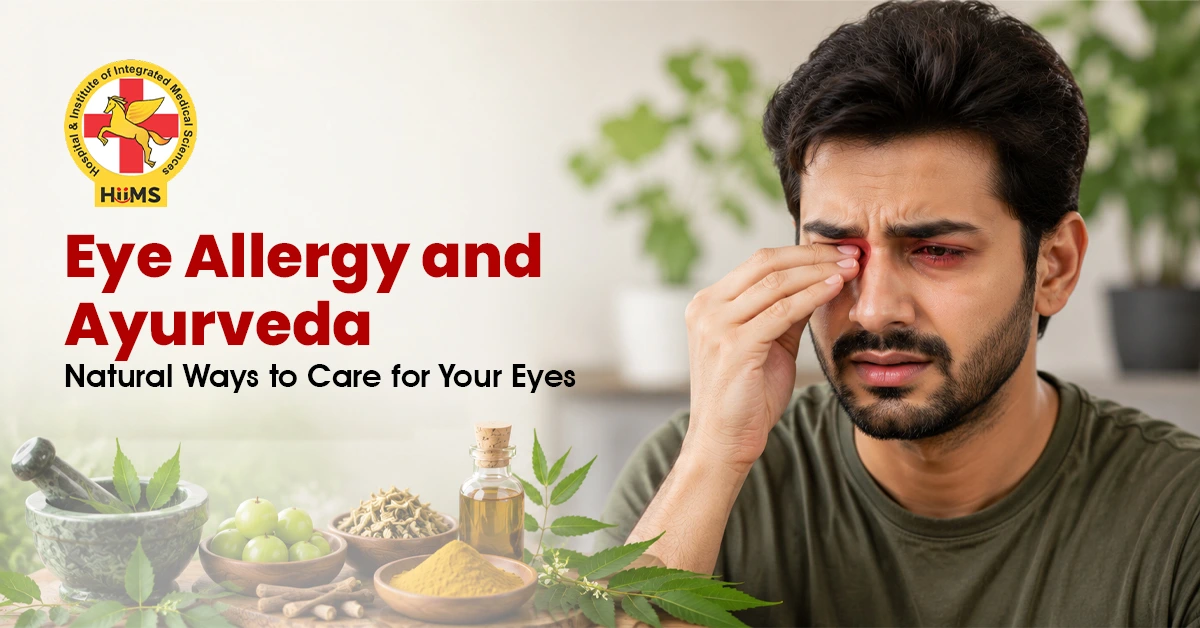

Eye allergies are more common than people usually realise. You step outside, a bit of dust hits your face, or you spend hours staring at a screen, and suddenly your eyes begin to itch, water, or turn red. It can be rather small at the start, something that you can ignore, but by the end of the day, the pain becomes worse, and your concentration, state of mind, and overall life activities become affected.
In light of these considerations, nowadays, many people choose not to opt for temporary measures and instead prefer to find some other, more natural approach to coping with their eye allergies. They wish to find out the true causes of the problem to manage eye allergy symptoms, and this is when Ayurveda comes with a little bit of a difference.
Unlike other treatment approaches, Ayurveda concentrates more on finding the root of the problem. This means that before moving to the solution itself, you may need to learn about eye allergies and the Ayurvedic interpretation of the problem.
Table of Contents
What is an Eye Allergy?
An eye allergy, also called allergic conjunctivitis, happens when your eyes react to allergens. These allergens can be dust, pollen, smoke, pet dander, or even the strong fragrances. Your body treats these substances harmful, even if they are not. This reaction triggers itching, redness, and watering. Unlike infections, eye allergies are not contagious. But they can be extremely irritating.
Common Eye Allergy Symptoms
You don’t need complicated tests to notice an eye allergy. The eye allergy symptoms are usually quite obvious.
- Redness in the eyes: There could be redness in the eyes because of irritation.
- Itchy or burning sensation: There could be a feeling that you want to rub your eyes, along with a little burning feeling.
- Watering of the eyes: This condition is when there are many tears coming from the eyes because of irritation or allergies.
- Eye swelling: This symptom means there is swelling in the eyes because of irritation or inflammation.
- Sensitivity to light: It means sensitivity to light. In other words, bright lights cause some pain to the patient’s eyes.
- Feeling of grittiness or heaviness: There could be a feeling as if there were something inside your eye. Also, the patient feels tired because of that.
- Dry eyes: Sometimes, there can be both irritation and dryness of the eyes.
What Causes Eye Allergies?
The eye allergy causes are usually linked to your environment and lifestyle.
- Dust and pollution: Minute dust particles in the air can irritate eyes.
- Seasonal allergies from pollen: Seasonal allergies from pollen generally lead to a sudden attack of itching, reddening, and watering of the eyes.
- Exposure to computer screens for long hours: Prolonged exposure to computer screens can make the eyes dry and sensitive.
- Eye care hygiene problems: Poor eye hygiene is responsible for irritation.
- Use of inferior eye cosmetics: Inferior eye cosmetics may induce an allergy in the eyes.
- Dry and hot air environment: Dry or hot air reduces moisture content and increases irritation.
Sometimes, internal imbalance in the body also plays a role. This is where Ayurveda brings a more holistic perspective.
Ayurveda’s View on Eye Allergies
In Ayurveda, eye health connects closely with something called Alochaka Pitta the energy responsible for vision and light perception. When Pitta becomes aggravated, heat increases in the body. This excess heat shows up as redness, burning, and irritation in the eyes.
At the same time, Vata imbalance can cause the dryness, while Kapha imbalance may lead to heaviness or discharge. So instead of just treating the eyes, Ayurveda tries to calm the internal imbalance.
Natural Ayurvedic Ways for Eye Allergy Relief
Ayurveda does not believe in harsh or quick fixes. It follows simple, routine practices for eye allergy relief.
1. Rose Water Compress
This is one of the easiest methods.
- Take pure rose water and soak cotton pads in it.
- Place them gently over closed eyes for 10–15 minutes.
- It feels cooling and helps reduce redness and irritation.
Many people notice instant relief.
2. Triphala Eye Wash
Triphala is a traditional blend of three fruits: amla, haritaki, and bibhitaki.
- Soak Triphala powder in water overnight and strain it properly in the morning.
- Use the clean liquid as a gentle eye rinse.
- It helps cleanse the eyes and soothe itching.
Consistency matters here; one-time use won’t do much.

3. Diet Adjustments for Eye Health
The food you consume can show up in your eyes better than you ever realised. Some suggestions by Ayurveda include:
- Amla: Owing to the high levels of vitamin C in it, Amla helps in having healthy eyes.
- Ghee in moderate quantities: This is one food which ensures that the eyes do not become dry.
- Soaked almonds: Almonds play an important role in the eye exercise routine and are also beneficial for healthy eyes.
- Foods such as carrots: These foods ensure that there is enough nutrition for having healthy eyes.
- Foods containing beta carotene: Helps maintain good eyesight.
It is recommended that you avoid taking highly spiced food items if you experience irritation in the eyes.
4. Turmeric Milk at Night
This step is a basic habit that many people ignore.
- Warm milk with a pinch of turmeric and black pepper before bedtime can help calm internal inflammation.
The effect is slow rather than instant, but it helps balance things over time.
5. Reduce Screen Strain
This remedy is not strictly Ayurvedic, but it matters a lot today.
- Long screen exposure dries out the eyes and worsens symptoms.
- Obey the 20-20-20 rule:
Every 20 minutes, look at something 20 feet away for 20 seconds.
It sounds basic, but it actually works if you follow it consistently.
Lifestyle Tips That Make a Difference
Small habits can either trigger or reduce eye allergies.
- Wash your eyes with clean water after coming from outside: this practice helps remove dust and reduces irritation.
- Do not touch your eyes: it ensures that your eyes do not get more irritated.
- Make your environment free from dust: it reduces the possibility of being exposed to allergens every day.
- Drinking lots of water: it helps keep your eyes moisturised.
- Sleep adequately: it helps ensure the proper rest for your eyes.
Ayurveda always emphasises routine. Irregular habits often make symptoms worse.
When Should You Seek Medical Help?
Not all eye irritations are allergies; however, when you experience any of the following symptoms, which can be quite alarming,
- Severe pain: Pain that feels extremely unbearable.
- Blurry vision: Vision that is hazy and unclear.
- Discharge: Thick yellowish discharge from your eyes.
- Swelling: Eye swelling that is persistent and cannot be eased.
Then it’s better to consult a professional. You can also explore integrative approaches at places like Jeena Sikho Lifecare, where guided care combines with the traditional methods discussed above.
Eye Allergy Treatment: A Balanced Approach
There is no single quick cure or quick fix for eye allergies. While modern eye allergy treatment might work quickly to provide relief from eye allergies, it doesn’t offer long-term relief. Ayurveda takes its own sweet time but aims for the long-term balance. It’s a point where we may just want to provide quick relief, and another that is about correcting lifestyle and diet.
In Jeena Sikho HiiMS, eye problems are treated using a comprehensive Ayurvedic approach that combines ancient therapies with lifestyle-centric care. Practices such as Netra Tarpan involve holding medicated ghee in the eye socket area to nourish and calm it. Other remedies often combined with these include a regime of supervised detoxification procedures, a diet chart, herbal medicines, and easy eye cleansing methods to ensure the comfort and health of your eyes in the long term.
Conclusion
Eye allergies may seem minor, but they can quietly affect your comfort, focus, and daily routine. Ayurveda does not treat the eyes in isolation. It looks at your body as a whole. When balance improves inside, the eyes start feeling better naturally.
Simple practices like the rose water compresses, Triphala washes, and mindful eating can make a real difference, but only if done consistently. Real results don’t come overnight; they come from doing the right things regularly.

FAQs
Q1. What is the reason behind the occurrence of eye allergy?
Eye allergies may result due to the reaction of allergens such as dust, pollen, smoke, or pet hair, among other environmental triggers and excessive screen usage.
Q2. How can one relieve oneself from eye allergies naturally at home?
One can apply compresses made of rose water and Triphala, along with reducing the time spent in front of the screen to ease the symptoms. A proper balanced diet and water intake also help manage the condition.
Q3. Is allergic conjunctivitis dangerous?
Allergic conjunctivitis is not dangerous; however, if one suffers from severe symptoms, one should seek professional help.
Q4. Does Ayurveda have a cure for eye allergies?
As Ayurveda works on balancing energy in the body, this can be used to treat eye allergies effectively.
Q5. What are the recommended foods for treating eye allergies under Ayurveda?
Some of the foods that can be taken include Amla, ghee, soaked almonds, carrots, and green leafy vegetables.

Disclaimer: The information provided on this blog is for general educational and informational purposes only. It is not intended to replace professional medical advice, diagnosis, or treatment. Always consult a qualified healthcare professional before making any changes to your diet, lifestyle, or treatment plan. Individual results may vary.