
Most people only think about kidney stones after the pain starts. And that pain is something you don’t easily forget. It comes suddenly, often on one side of the back or lower abdomen, and can make even simple movements feel difficult.
But the reality is, kidney stones don’t form in a single day. They build slowly over time. Small habits like not drinking enough water, holding urine for too long, or eating without balance can quietly contribute to their formation.
Because the process is slow, the signs are not always obvious in the beginning. That is why many people don’t realise what is happening inside the body.
The good part is, since stones develop gradually, prevention is also possible. Paying attention to daily habits, especially hydration and routine, can make a real difference and help reduce the risk before it turns into a painful problem.
Table of Contents
How Kidney Stones Form
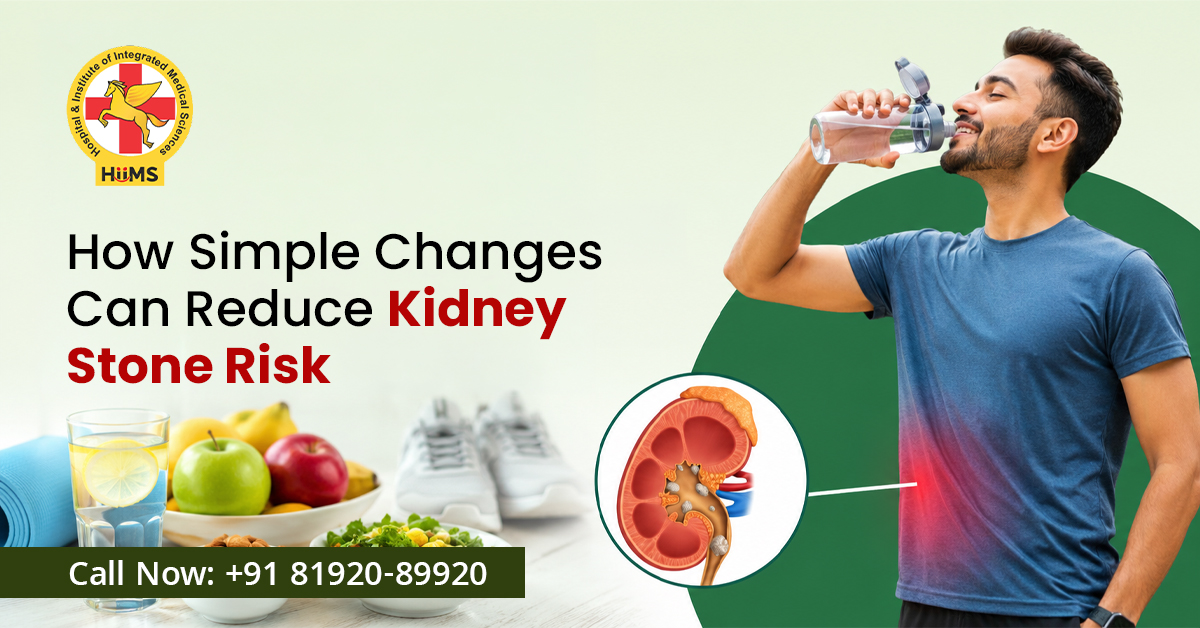
Kidney stones form when the body does not have enough water and the urine becomes concentrated. In this condition, minerals like calcium and salts are not flushed out properly. Over time, these particles start sticking together and form small crystals. Gradually, these crystals grow bigger and turn into stones.
How Water Alone Can Reduce Kidney Stone Risk?
If you’re not drinking enough water, your urine becomes concentrated. When that happens, minerals don’t flush out properly. They start sticking together and slowly form stones.
Keeping your body hydrated reduces that risk a lot. Even noticing the colour of urine helps. If it looks too dark, you’re probably not drinking enough.
Some people also add lemon to water. It’s a small habit, but it may help prevent crystals from forming.
How Your Daily Diet Affects Kidney Stone Risk?
You don’t need a strict diet, just a little awareness.
Too much salt, too much packaged food, or heavy eating without enough water can increase the chances of stone formation.
Some foods, when taken in excess, may also contribute. But the issue is not one food. It’s unbalanced.
Simple, home-style food works better than overthinking diets.
Small Mistakes That Add Up
There are habits people don’t even notice:
- Holding urine for too long
- Sitting for long hours without movement
- Skipping water throughout the day
Individually, they feel harmless. Over time, they are not.
A Natural Way Some People Follow
At Jeena Sikho HiiMS, the approach is usually kidney stone treatment without surgery. This continues to focus on fluids, easy food, and reducing bodily strain before trying medical interventions.
One technique used is the GRAD system. This involves easy measures such as performing a head-down tilt position, using warm water treatments, and a systematic approach to meal timings. It aims to promote circulation, aid kidney function and enable the body to naturally flush out toxins and undesirable contents.
Alongside these, measures such as regulated meal timings, warm fluids, and mild movement also continue to be used. While these measures might appear relatively trivial, it is the constancy with which these measures are implemented that is crucial.
This is where alternative kidney stone treatments without surgery start to come into play, if a kidney stone is in an early and manageable stage.
When It Needs Attention
In cases where a kidney stone grows or the symptoms escalate, it is inappropriate to ignore. Symptoms such as acute pain, burning sensation or the presence of blood in the urine are areas which must not be prolonged. In such cases, proper guidance for kidney stone removal becomes important.
Conclusion
Kidney stones may feel sudden, but they are usually the result of long-term habits. The good part is small changes can actually reduce the risk. Drinking plenty of water, eating a balanced and nutritious diet and doing exercises seem to be small but they carry immense significance. Besides, it is easier to take preventative measures than to deal with the pain later. To receive advice, Jeena Sikho HiiMS has VOPD consultation.Phone: 81920-89920 | Email: care@jeenasikho.com

FAQs
1. Why do we get kidney stones?
It usually develops when minerals collect in the body due to insufficient liquid consumption, food habits and holding urine.
2. How can we prevent kidney stones?
Drinking a sufficient amount of water and adhering to some daily habits can decrease the risk of development.
3. Can we treat kidney stones without surgery?
Small stones can often pass on their own with adequate medical attention, drinking water and direction.
4. What are the initial symptoms of kidney stones?
Mild pain in the side, trouble passing urine, or the need to pass urine more often than usual.
5. In what conditions should I consider removal of kidney stones?
Severe pain, stones increasing in size, and worsening of the symptoms may require adequate medical intervention.
Ayurvedic Kidney Care Products
100% natural, certified Ayurvedic formulations crafted for targeted kidney wellness.



Disclaimer: The information provided on this blog is for general educational and informational purposes only. It is not intended to replace professional medical advice, diagnosis, or treatment. Always consult a qualified healthcare professional before making any changes to your diet, lifestyle, or treatment plan. Individual results may vary.