
Eye irritation is something most people deal with at some point. Sometimes it is just tiredness; sometimes dust, and it usually settles without much effort. But there are cases where the problem does not fully go away. It comes back again after a few days, sometimes stronger than before.
You might notice a little itching, slight redness, or watering that feels minor at first. Easy to ignore. Many people assume it is because of screen time or pollution and move on. But when this pattern starts repeating or begins to interfere with daily comfort, it is no longer just a temporary issue.
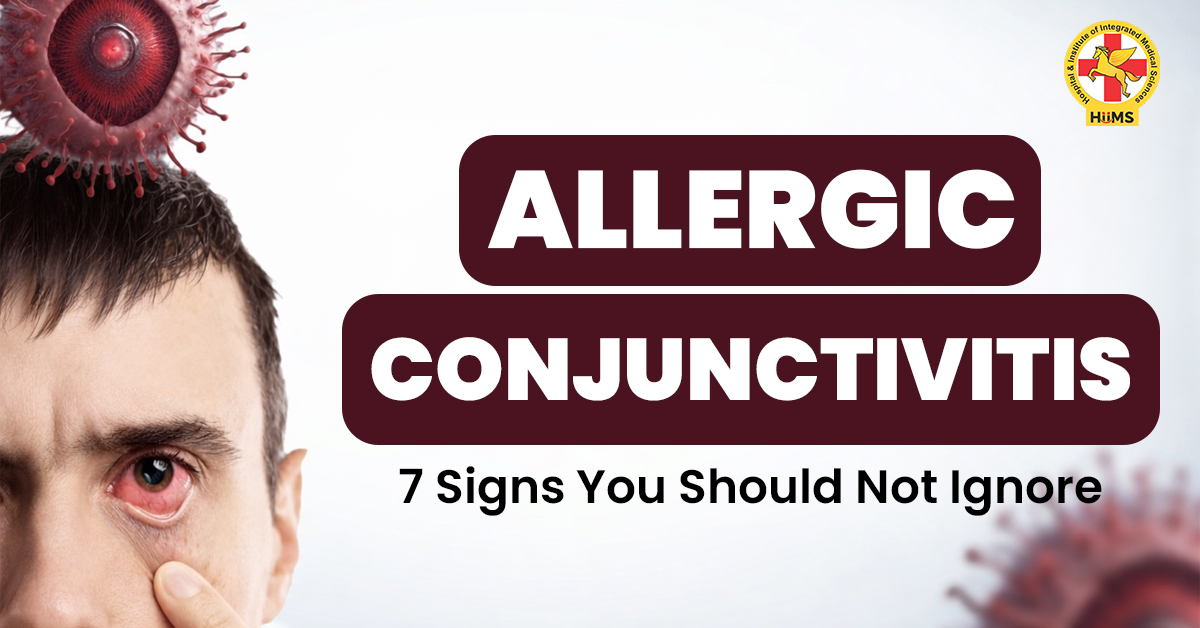
In many such cases, the underlying reason is allergic conjunctivitis. It is not simply eye discomfort. It is your body reacting to certain triggers in the environment. And if the cause is not understood properly, the irritation tends to return instead of settling completely.
In this blog, you will understand what is actually happening, the signs you should not ignore, and allergic conjunctivitis treatment in a more practical and long-term way rather than depending only on quick fixes.
Table of Contents
What Is Allergic Conjunctivitis
Allergic conjunctivitis happens when your eyes react to allergens like dust, pollen, smoke, or even certain cosmetics. The thin layer covering your eyes becomes inflamed, and that is what leads to discomfort.
Unlike infections, the condition is not contagious. But it can be frustrating because it tends to come back, especially during certain seasons or environments. Many people confuse it with general eye strain or infection, but the pattern is different. It often repeats and worsens with exposure to triggers.
7 Signs Of Allergic Conjunctivitis You Should Not Ignore
1. Constant Itching That Does Not Stop
This symptom is one of the most common signs of allergic conjunctivitis. It is not mild irritation. It feels like you just want to keep rubbing your eyes again and again.
2. Redness That Keeps Coming Back
Occasional redness is normal. However, if your eyes become red often, particularly after being outdoors or exposed to dust, it serves as a warning.
3. Watery Eyes Without Crying
Excess tearing is your body’s way of trying to flush out allergens. But when it becomes regular, it is not normal anymore.
4. Burning Or Gritty Feeling
Some people describe it as if sand is stuck in their eyes. This discomfort is often ignored, but it clearly points toward allergic conjunctivitis symptoms.
5. Sensitivity To Light
Bright light starts bothering you. You may feel the need to squint or avoid sunlight more than usual.
6. Swollen Eyelids
Puffiness around the eyes, especially in the morning, can be another sign. It is often mistaken for lack of sleep.
7. Stringy Discharge
Unlike infections, this discharge is usually clear or slightly sticky. If you notice this condition repeatedly, do not ignore it.

Why This Problem Keeps Coming Back
The main issue is not just the eye reaction. It is how your body is responding internally. Some common allergic conjunctivitis causes include:
- Dust and pollution.
- Pollen exposure.
- Pet dander.
- Chemical-based cosmetics.
- Weak immune response.
The bigger problem is when people only focus on eye drops and ignore the root cause. That is why the condition becomes chronic.
What People Usually Go Through
Let’s be real. This is not just about eye discomfort. People dealing with eye allergy conjunctivitis often struggle with the following:
- Difficulty working on screens.
- Constant irritation during travel.
- Embarrassment due to red eyes.
- Dependency on eye drops.
- Fear of it coming back again.
Allergic Conjunctivitis Treatment: What Actually Helps
1. Avoid Trigger Factors As Much As Possible
Seems very simple but very crucial. Find out what causes aggravation and avoid.
2. Cold Compress For Immediate Relief
Helps calm inflammation and reduce irritation.
3. Be Careful With Eye Drops
Most modern medicines give quick relief, but long-term use can come with side effects of modern medicine, especially dependency.
4. Emphasize on Internal Equilibrium
Here comes the importance of taking a root-cause approach. Rather than focusing on the eyes, the internal reaction should be treated.
Ayurvedic Approach for Long-Term Healing
Ayurveda does not look at the condition as just an eye issue. It looks at body imbalance and sensitivity. The idea is simple:
- Reduce internal heat and toxins.
- Improve immunity.
- Support eye health naturally.
This method supports long-term healing instead of temporary fixes. At places like Jeena Sikho HiiMS Hospital, the approach usually combines detox therapies, herbal support, and lifestyle correction. It is not instant relief. But it works differently. Slowly, steadily, and from within.
When You Should Take This Seriously
Do not wait too long if
- Symptoms are repeating every few weeks.
- You are dependent on eye drops.
- Vision starts getting affected.
- Irritation is interfering with daily work.
This is the point where ignoring it becomes a mistake.
Also Read: Cataract Treatment in Ayurveda
Conclusion
Allergic conjunctivitis is easy to ignore at the start. But it rarely stays small if you keep overlooking it. The body gives signals, and these signs are not random. Instead of chasing temporary comfort, it makes more sense to understand what is triggering it and take a step towards a more stable solution.
Sometimes the shift is simple. A change in routine, better awareness, or choosing a more natural path that focuses on healing rather than just relief. If your condition has been bothering you for a while, it might be the right time to stop adjusting and start addressing it properly.
FAQs
Q1. How do I distinguish between allergic conjunctivitis and other eye conditions?
In case of severe irritation and tears resulting from coming into contact with dust or pollen and recurring regularly, there must be some allergic reaction involved.
Q2. Can allergic conjunctivitis go away on its own?
Mild cases can settle, but repeated exposure usually brings it back.
Q3. What is the best natural treatment for this condition?
A mix of trigger control, eye care, and internal balance works better than isolated remedies.
Q4. Can lifestyle changes really make a difference?
Especially when the condition is recurring and linked to environmental triggers.
Q5. When should I consult a doctor?
In case of frequently recurring symptoms that get worse and affect one’s eyesight, you need to seek professional advice without delay.

Disclaimer: The information provided on this blog is for general educational and informational purposes only. It is not intended to replace professional medical advice, diagnosis, or treatment. Always consult a qualified healthcare professional before making any changes to your diet, lifestyle, or treatment plan. Individual results may vary.