
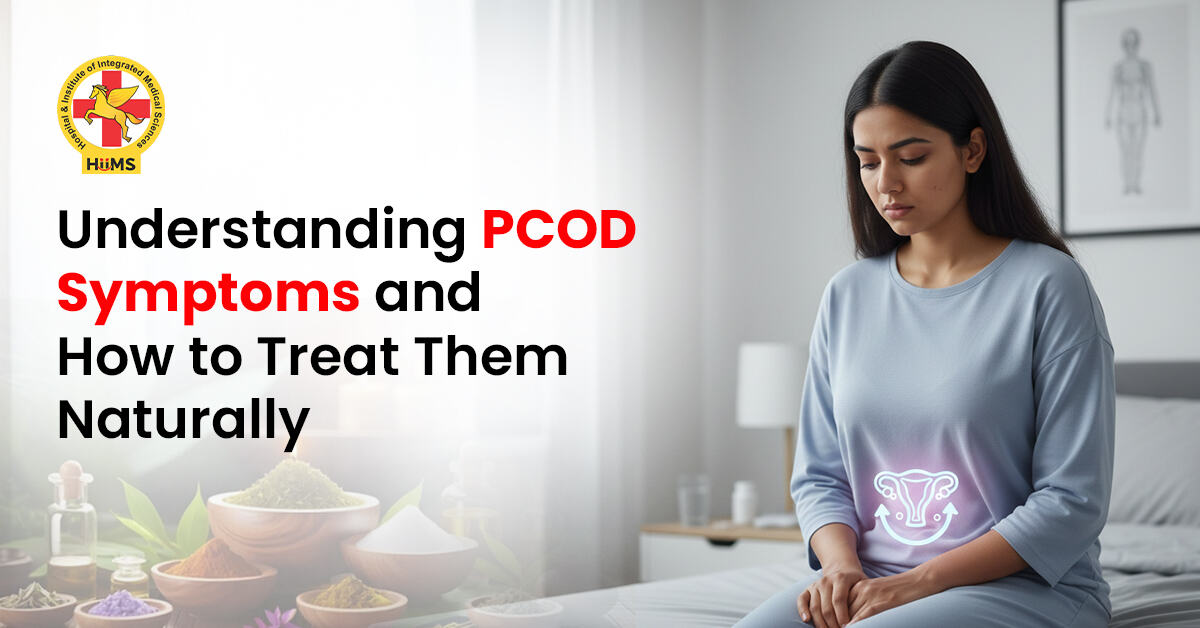
PCOD may seem like a small term, but it can quietly disrupt a woman’s daily routine in many ways. A delayed period here, a little belly weight that doesn’t listen, pimples that appear right before an important day, and mood swings that feel, well, not like you.
At first, the blame goes to stress, late-night snacking, or maybe my hormones are acting weird this week. But when the pattern repeats, the body is clearly trying to speak. That’s when many women begin searching for answers about PCOD and PCOS, their symptoms, and treatment.
This blog has a simple purpose. To help you understand what’s happening inside your body and how to support it naturally. We break down PCOD symptoms in a way that feels real and relatable, and we explore healing through a balanced PCOD diet, natural routines, and supportive natural approaches.
Because the moment you understand PCOD, you stop fearing it. You start controlling it.
When the Ovaries Lose Their Rhythm
PCOD (Polycystic Ovarian Disease) starts when the ovaries make higher-than-needed androgens. Just a little shift, but enough to disturb ovulation. So periods change, and skin reacts, energy drops, and moods swing like a roller coaster. Tiny fluid-filled follicles may appear.
Common PCOD Symptoms You Shouldn’t Ignore
The early PCOD symptoms are soft. Almost polite.
- Periods skipping or coming late
- Hormonal acne on jawline, face, back
- Sudden tiredness even after sleeping fine
- Belly-focused weight gain
- Bloating, constipation, sluggish digestion
- Mood swings, irritation, unexpected low days
If the symptoms continue without PCOS treatment, they grow heavier:
- Highly unpredictable cycles
- Hair thinning on scalp but thick on chin or chest
- Dark skin patches on neck or underarms
- Difficulty conceiving
It’s not only physical. It hits confidence. You start feeling like your body is arguing with you.
When Should You See a Doctor or PCOS Specialist?
A PCOS specialist is a doctor trained to diagnose and manage hormonal conditions like PCOD and PCOS. They understand how hormones, metabolism, and reproductive health are connected. Their role is to guide you with accurate tests and personalized treatment plans for your PCOD issues.
You should consider meeting a specialist when:
- Your periods stay irregular for more than a few months.
- Acne, hair fall, or sudden weight changes begin affecting daily life.
- Mood swings, fatigue, or bloating keep returning without a clear reason.
A PCOS specialist may suggest:
- Blood tests to check hormone levels.
- An ultrasound to examine the ovaries.
- Insulin and metabolic evaluations when needed.
These tests aren’t alarming; they bring clarity. And clarity makes healing possible.
Natural PCOD & PCOS Treatment: Treating the Roots, Not Just Symptoms
Natural-style PCOD treatment in Goa doesn’t look at symptoms alone. It sees the whole picture. Digestion, sleep, stress, habits, and even emotional load. Here’s how the natural approach works, layer by layer.
1. PCOD Diet—Let Food Support You, Not Stress You
A diet isn’t about starving or strict rules. It’s about safety, softness, and balance.
- More fruits, vegetables, salads, home-cooked meals.
- Less sugar, refined flour, junk, oily foods.
- Lighter meals during periods for natural cleansing.
- Mix desi cow ghee in warm water. Drink on an empty stomach, preferably on day one of the period.
When digestion calms, hormones calm, bloating reduces, and energy returns, cycles begin finding rhythm again, slowly but surely.
Jeena Sikho HiiMS blends a mixture of natural healing with structured care. Their approach always stays gentle, practical, and deeply connected to root-cause correction.
2. Detox & Gentle Cleansing
- Panchakarma therapies like Virechana and Basti gently detox the body. Virechana clears digestion; Basti strengthens the lower abdomen and reproductive system. Both may help with pain, irregular cycles, and hormonal balance.
3. Herbal Natural Therapies
- Shatavari nourishes the uterus, balances hormones, and supports menstrual health.
- Ashoka supports hormonal balance.
- Lodhra reduces acne and balances hormones.
- Triphala improves digestion.
- Ashwagandha calms stress and supports hormone health.
4. Lifestyle Reset
Just small, honest habits and simple changes, and this is where the transformation begins:
- Sleep earlier
- Move daily: a walk, yoga, stretching
- Take breaks from screens
- Learn to breathe out stress instead of holding it
- Fixed meal timings
Hormones follow lifestyle. If life stays chaotic, hormones mirror the chaos.
Conclusion
PCOD isn’t just about delayed periods or stubborn acne—it’s your body asking for attention. These repeated symptoms often grow from deeper PCOS causes like stress, weak digestion, insulin resistance, and a lifestyle that’s always running ahead. Real PCOD treatment looks at everything together: food, rest, movement, and emotional balance. With a steady diet, gentle detox, and the right PCOS treatment from trusted specialists, your body slowly returns to its natural rhythm.
For personalized guidance, you can reach out to Jeena Sikho HiiMS specialists at +918270482704 or email care@jeenasikho.com.

FAQs
1. What are the early symptoms of PCOD?
Irregular periods, acne, bloating, and sudden fatigue usually show up first. These small changes are often the body’s early signals.
2. What causes PCOD in most women?
PCOD develops from a mix of insulin resistance, stress, poor sleep, and lifestyle imbalance. Sometimes genetics quietly adds to it.
3. Can a PCOD diet really help balance hormones?
A clean, simple diet can support digestion and reduce inflammation. When digestion improves, hormones naturally settle better.
4. Do I need to visit PCOS specialists for PCOD?
Seeing a specialist gives clarity through proper tests and diagnosis. It helps you know what’s happening inside instead of guessing.
5. Can PCOD affect fertility?
It may make ovulation irregular, which affects conception. With proper treatment and lifestyle changes, many women regain healthy cycles.