
Lower back pain is a common condition that can affect people at any stage of life. It may start as slight discomfort after sitting for the long hours, or it can gradually turn into a constant pain that makes everyday tasks difficult, and often leaves people searching for a proper lower back pain treatment. The factors such as poor posture, inactive habits, muscle strain, and the age-related changes are often behind this problem.
Understanding the problem at an early stage makes it easier to manage before it becomes severe. This article, developed with the guidance from Jeena Sikho HiiMS, explains the possible causes of lower back pain, its impact on daily life, the Ayurvedic perspective, and simple natural approaches that may support the treatment.
Understanding Lower Back Pain and Its Common Causes
Lower back pain refers to discomfort or stiffness felt in the lumbar region, which is the lower part of the spine. It can be mild or severe, and it can last for a few days or for many months. Knowing the lower back pain causes is important before choosing any kind of treatment.
A few things that are usually responsible for lower back pain:
- Sitting or standing with poor posture for the long stretches
- Picking up heavy things the wrong way
- Weak muscles in the back and core
- Not being physically active enough
- Carrying the extra body weight
- Wear and tear that comes with age
- Strain in a muscle or ligament
- Long hours behind the wheel or at a desk
Sometimes, the pain improves with rest. However, if it continues for weeks, it may develop into the chronic lower back pain, requiring proper evaluation and care.
Common Lower Back Pain Symptoms You Should Not Ignore
The discomfort may not be the same for everyone. Some people experience the mild stiffness, while others may find it difficult to perform the simple daily activities. The common lower back pain symptoms include,
- Persistent aching in the lower back.
- Stiffness after waking up.
- Pain while bending or lifting.
- Tightness in the muscles.
- Pain spreading towards the hips or legs.
- Difficulty standing or sitting for the long periods.
If these signs are ignored for too long, the condition may gradually turn worse.
How Lower Back Pain Affects Daily Life
Back pain is not only the physical problem. It can slowly affect everyday routine, work, and overall well being. People with the back pain may experience,
- Difficulty walking or climbing stairs
- Reduced productivity at work
- Trouble sleeping because of discomfort
- Avoidance of the physical activities
- Reduced flexibility and movement
When the pain becomes intense, daily activities such as sitting, driving, or even getting out of bed may become difficult. In such situations, the proper lower back pain management becomes important to maintain mobility and quality of life.
What Does Ayurveda Say About Lower Back Pain?
According to Ayurveda, the lower back pain is mainly connected to an imbalance of Vata dosha, which control movement in the body. When the Vata gets disturbed due to wrong diet, irregular routine, or excessive physical strain, it settles in the joints and lower spine, causing stiffness, dryness, and the pain.
Ayurveda does not look at the back pain as an isolated problem of the spine alone; it consider the whole body, including digestion, sleep, and the stress levels. The treatment approach, therefore, works on balancing the Vata dosha through the herbal therapies, correct diet, and lifestyle changes, rather than just focusing on the painful area.
The Ayurvedic Approach for Lower Back Pain Treatment
Ayurveda offers a well-structured lower back pain treatment that works gradually but gives long lasting results. Unlike quick painkillers, these therapies aim to strengthen the tissues and calm the nervous system.
Some specialised therapies that are commonly used for chronic back pain are mentioned below:
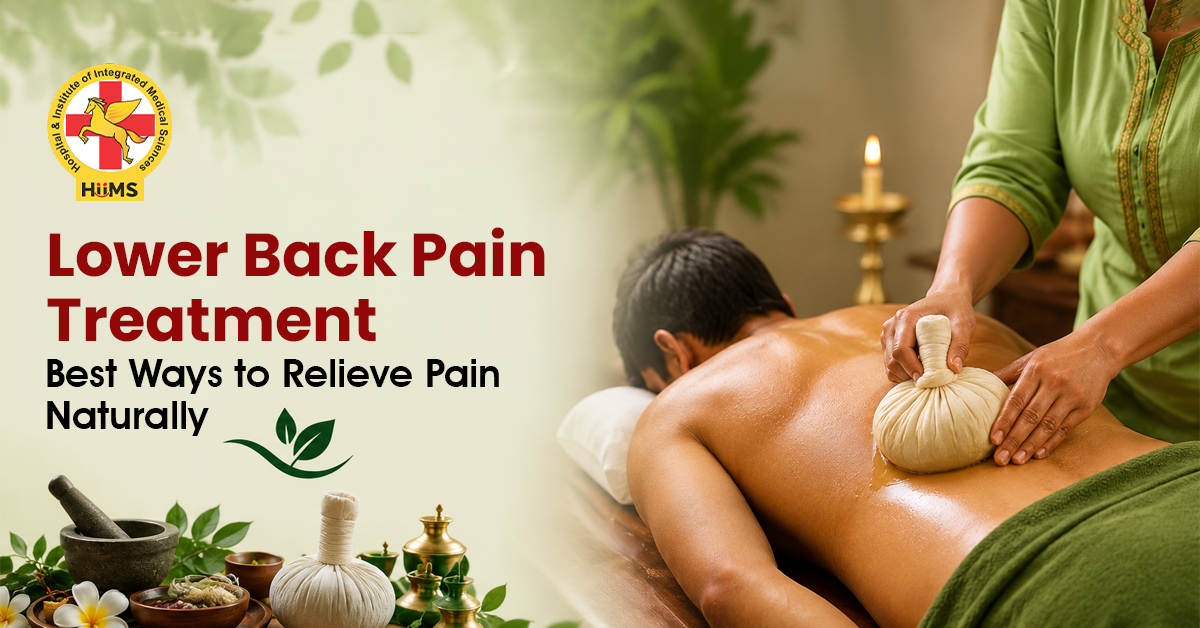
- Kati Basti – In this therapy, warm medicated oil is pooled over the lower back using a dough ring. It penetrates deep into the tissues and gives deep relief in tightness and chronic stiffness.
- Abhyanga (herbal oil massage) – This full body or localised oil massage relaxes the muscles, improves blood circulation, and reduces the stiffness around the spine.
- Swedana (herbal steam therapy) – Steam with medicated herbs helps in loosening stiff tissues and easing muscle tightness.
- Basti (medicated enema) – This is considered one of the most effective treatments in the Ayurveda for calming deep Vata imbalance in the lower body.
- Pinda Sweda and Lepa – These are herbal paste applications that help in reducing the inflammation while also strengthening the surrounding tissues.
Along with these therapies, the gentle lower back pain exercises like cat-cow stretch, pelvic tilts, and simple yoga postures are also suggested, as they help in improving the flexibility without putting extra strain on the spine.
For people looking for severe lower back pain treatment, a combination of these therapies along with the proper diet and rest usually shows steady improvement over time. As guided by the experts at Jeena Sikho HiiMS, many patients also try simple lower back pain remedies at home, such as warm compress, light stretching, and maintaining the correct sitting posture, which support the overall healing process.
Why Do People Prefer Natural Ways for Back Pain?
In recent years, more people are shifting towards natural treatment for lower back pain instead of depending only on medicines. A few reasons explain why this preference has grown over time.
- Natural therapies focus on the root cause and not just temporary relief
- Compared to long-term medicine use, the chances of side effects are usually lower
- Ayurvedic methods also improve digestion, sleep, and stress levels along with pain
- Many people find these treatments more suitable for long term lower back pain management
- It gives a sense of control, as diet and lifestyle changes are included in the process
Proper lower back pain therapy, when combined with correct guidance, also helps in preventing the pain from returning again and again, which is often a concern with people who rely only on painkillers for temporary comfort.
When Should You Seek Medical Advice?
Mild pain usually settles with some care and patience, but there are certain warning signs that should never really be ignored.
It is best to speak to a doctor if there is:
- Pain that has lasted more than a few weeks
- Difficulty walking or even standing properly
- Pain spreading into one or both legs
- Numbness or a feeling of weakness
- Loss of control over bladder or bowel movements
- A sudden injury that has caused sharp, intense pain
A healthcare professional will be able to figure out the actual cause and suggest the right severe lower back pain treatment accordingly.
Conclusion
Lower back pain can affect movement, work, and the overall quality of life if left unmanaged. Understanding its causes, recognising the symptoms early, and following healthy lifestyle practices can support the effective lower back pain treatment over time.
As explained with guidance from the experts at Jeena Sikho HiiMS, combining Ayurvedic principles with the appropriate daily habits may help improve the comfort and mobility, and may also support lasting lower back pain relief. If back pain continues or becomes severe, seeking timely medical advice through a VOPD consultation can help with proper diagnosis and the personalised guidance toward safe recovery.

FAQs
1. What is the most common cause of lower back pain?
Poor posture and prolonged sitting are among the most common causes of the lower back pain today.
2. Can lower back pain go away on its own?
Mild lower back pain often improves with the rest, but persistent pain usually need proper attention.
3. What is the difference between acute and chronic lower back pain?
Acute pain last a few days to weeks, while the chronic lower back pain continue for three months or longer.
4. What does Ayurveda say is the root cause of back pain?
Ayurveda connect lower back pain mainly to an imbalance of Vata dosha in the body.
5. Are natural treatments as effective as medicines?
The natural treatments works more gradually but often provide lasting relief with fewer side effects.

Disclaimer: The information provided on this blog is for general educational and informational purposes only. It is not intended to replace professional medical advice, diagnosis, or treatment. Always consult a qualified healthcare professional before making any changes to your diet, lifestyle, or treatment plan. Individual results may vary.