
Your skin is the largest organ of your body, and it is often the first place where internal imbalance becomes visible. A flare of itching after a stressful month, a rash that returns every winter, patches that refuse to fade, or acne that keeps coming back despite every cream you try, these are not just cosmetic problems. They are signals.
Modern dermatology classifies skin diseases by how they look, what causes them, and how the immune system responds. Ayurveda, the traditional Indian system of medicine, looks at the same problems through a different lens. It asks what is happening in digestion, in the blood, in the mind, and in daily habits that allow the skin to react the way it does.
The different types of skin diseases, their categorisation into various forms of Kushtha as per Ayurveda, the reasons for skin disorders, the dosha imbalances related to these disorders, and the prescribed therapy adopted in Ayurveda will all be covered in this guide.
Table of Contents
Understanding Skin Health: The Modern and Ayurvedic Views
The skin has three main layers: the epidermis (outer barrier), the dermis (containing blood vessels, nerves, and glands), and the hypodermis (fat and connective tissue). Working together, these layers of skin help you ward off infections, maintain body temperature, preserve moisture and react to the surroundings.
Any problem in this process will cause a skin disorder. The problem may relate to damage in the protective layer of skin, an exaggerated immune reaction, an infection, disturbances in the production of colour pigments, hormonal imbalance, or even genetics. Certain triggers, like allergens, irritants, psychological stress, weather conditions, and medications, are usually responsible.
The Ayurvedic View
Ayurveda describes health as a balance of three doshas: Vata (movement), Pitta (heat and metabolism), and Kapha (structure and moisture). It also emphasises Agni (digestive fire), the seven dhatus (body tissues), and the removal of Ama (undigested, toxic residue).
In this framework, the skin is closely connected to Rakta dhatu (blood) and Mamsa dhatu (muscle tissue) and to the outermost layer described as Twak. When digestion is weak, Ama accumulates. When the doshas become aggravated, they can combine with this residue and affect the blood, the sweat channels, and the skin. The result is what classical texts describe as Kushtha, a broad term covering many chronic and recurring skin disorders.
This is why Ayurvedic care for skin diseases rarely stops at the skin’s surface. The skin is treated as a mirror of what is happening within.
Common Types of Skin Diseases and Ayurvedic Care
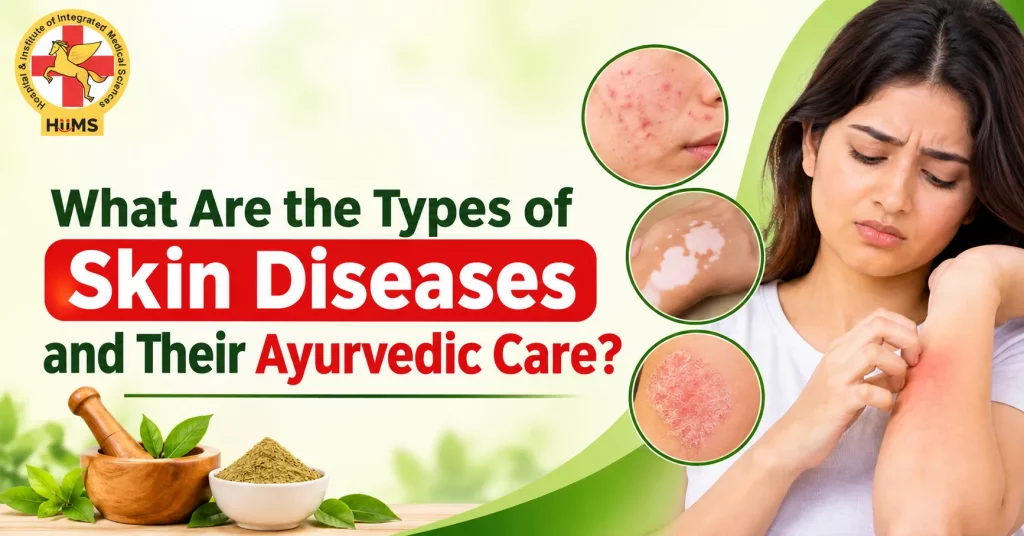
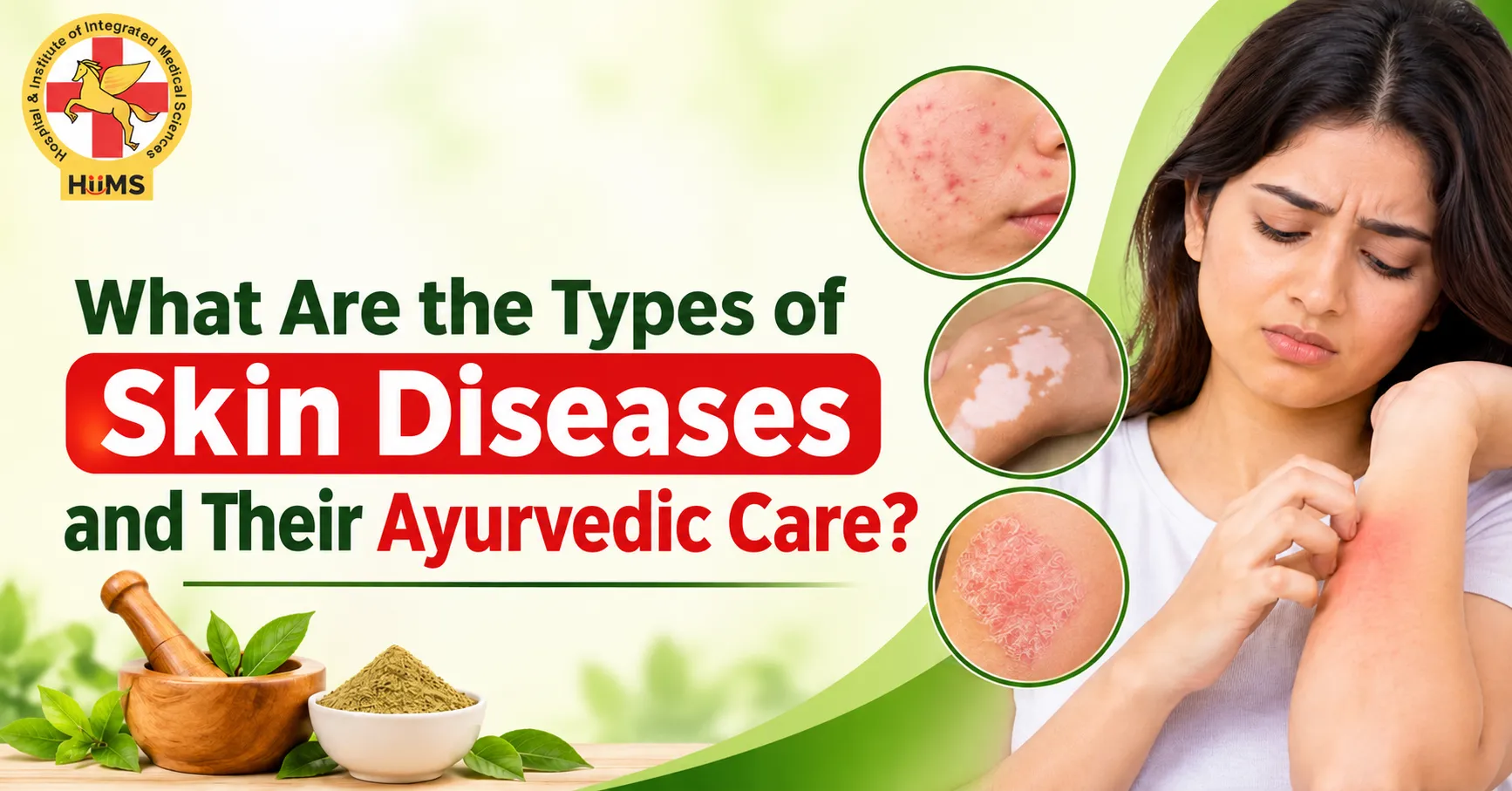
Skin conditions can affect the skin’s texture, colour and overall health. Some common types of skin diseases include eczema, acne, psoriasis, fungal infections, rosacea and dermatitis, each with different symptoms and causes.
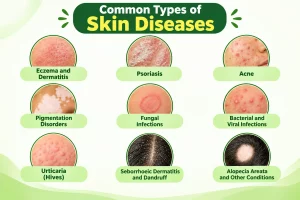
1. Eczema and Dermatitis
Eczema is a term that refers to various inflammatory conditions characterised by dry, red, itchy, and scaly skin. The atopic variety of this disease is probably the most common one and usually starts in childhood. There is also contact dermatitis, which can be caused by irritants and allergens like detergents, metals, or fragrances. Common triggers include dry weather, harsh soaps, sweat, stress, and allergens. Eczema tends to come and go, and the skin barrier is usually weakened, which is why moisturising and trigger avoidance matter so much.
Care often emphasises keeping the skin well moisturised with suitable oils or ghee-based preparations, calming Pitta and Kapha through diet, identifying allergens, and supporting digestion. Weeping lesions may need drying herbal washes, while dry lesions need nourishment.
2. Psoriasis
Psoriasis is an autoimmune disorder, a long-lasting and noncommunicable condition. New cell production is excessively high; hence, thick, flaky scales form in elbows, knees, scalp, and the lower back. Some people may experience itching and cracks in their skin, and others may experience nail and joint problems. Psoriasis is characterised by periodic flare-ups caused by factors like stress, infections, drugs, and dry air.
Ayurvedic physicians usually consider the person’s dosha pattern, stress level, and digestion. Plans commonly include cleansing therapy where suitable, internal herbs, oil massage, and stress reduction. Because psoriasis is a long-term immune condition, patients are encouraged not to stop prescribed medicines on their own and to coordinate care with their doctor.
3. Acne
Acne leads to the formation of pimples, blackheads, whiteheads, and cysts. Acne occurs because the pore gets clogged with oil and dead skin, which is later infected and inflamed. Several factors include hormonal changes, poor dietary habits, stress, insomnia, and inappropriate use of cosmetic products. Acne is not confined to adolescence. There are many cases of adults having acne issues, particularly around the jaw area.
Care usually involves cooling and blood-purifying herbs, a light diet low in oily and sugary food, regular sleep, and gentle cleansing. Squeezing pimples and using many harsh products often worsens scarring and pigmentation.
4. Pigmentation Disorders
These conditions change the colour of the skin. The most common include:
- Vitiligo: Loss of pigment in patches, resulting in white areas of skin. It is considered to be related to the immune system and is not contagious.
- Melasma: Brown or grey-brown patches, usually on the face, linked to sun exposure and hormonal changes.
- Post-inflammatory hyperpigmentation: Dark marks that remain after acne, injury, or inflammation.
Care is typically long-term and includes internal medicines, external applications, cleansing therapy in some cases, diet correction, and attention to stress. Results vary widely, and patience is essential. Sun protection and professional supervision of any photosensitising herbs are important.
5. Fungal Infections
Fungal infections develop in areas that are moist and hot. Some examples include ringworm (tinea corporis), athlete’s foot, jock itch, tinea capitis, and nail infections. These infections cause itchy, red or scaly, circular patches and are spread by contact and sharing clothes and towels.
These infections are very common in humid areas, particularly during monsoons, when not taken care of properly, and become a recurring problem.
Care focuses on keeping the area clean and dry, using antifungal herbal washes and powders, avoiding sweet, heavy, and damp-forming foods, and treating until the full course is completed. Recurrent infections should be checked for underlying causes such as diabetes.
6. Bacterial and Viral Infections
Bacterial skin infections are types of skin disorders that include boils, impetigo, and cellulitis. Some of the viral skin infections are warts, herpes simplex, shingles, and molluscum. While some of these get healed by themselves, others like cellulitis and shingles require immediate medical care.
7. Urticaria (Hives)
It appears as itchy humps that form quickly and may appear and disappear anywhere on the body. Its causes can include food, medications, infection, heat, stress, or any unknown factor. If such episodes last for more than six weeks, it is chronic urticaria which requires proper assessment.
Ayurvedic care looks for triggers, calms Pitta and Vata, and uses cooling and anti-allergic herbs along with diet restriction. Sudden swelling of the lips, face, or throat, or difficulty breathing, is an emergency that needs immediate medical care.
8. Seborrhoeic Dermatitis and Dandruff
In this disease, there are flaking, greasy, or reddened areas on oily areas like the scalp, eyebrows, and both sides of the nose. It is associated with increased oils and excessive proliferation of the normal skin yeast.
9. Alopecia Areata and Other Conditions
Alopecia areata is a type of sudden and patchy hair loss due to an autoimmune response on hair follicles. Others are scabies (infestation by mites leading to itching mainly during nighttime), lichen planus, rosacea, and different kinds of blistering and genetic diseases. These need correct diagnosis since they seem alike in appearance.
How Ayurveda Classifies Skin Diseases: Kushtha
Classical Ayurvedic texts such as the Charaka Samhita and Sushruta Samhita describe skin diseases under the umbrella term Kushtha. The word does not refer to a single disease. It covers a wide spectrum of conditions with discolouration, scaling, itching, discharge, or abnormal texture. Kushtha is traditionally divided into two groups.
Maha Kushtha (Major Skin Disorders)
Seven conditions are described in this group: Kapala, Udumbara, Mandala, Rishyajihva, Pundarika, Sidhma, and Kakanaka. They are considered deeper, more chronic, and harder to manage.
Kshudra Kushtha (Minor Skin Disorders)
Eleven conditions are described here, including Ekakushtha, Charmakushtha, Kitibha, Vipadika, Alasaka, Dadru, Charmadala, Pama, Visphota, Shataru, and Vicharchika. Practitioners often relate some of these classical terms to modern conditions, for example:
- Vicharchika is commonly compared with eczema.
- Kitibha and Ekakushtha are often compared with psoriasis.
- Dadru is compared with ringworm and other fungal infections.
- Sidhma is compared with conditions such as pityriasis versicolour.
- Shvitra (described separately from Kushtha) is compared with vitiligo.
- Yuvan Pidika is the Ayurvedic term for acne.
These comparisons are helpful but not exact. Ayurvedic diagnosis depends on the overall pattern of symptoms, the dosha involved, and the individual’s constitution, not only on a disease name.
Causes of Skin Diseases According to Ayurveda
Ayurveda identifies a number of causes, known as Nidana, that disturb the doshas and burden the blood and skin.
- Incompatible food combinations (Viruddha Ahara). Combining foods that do not suit each other, such as milk with fish or sour fruits with milk, is traditionally considered a major cause of skin disease.
- Irregular and heavy eating. Eating before the previous meal is digested, overeating, or eating very oily, fried, sour, salty, or spicy food weakens Agni and produces Ama.
- Suppression of natural urges. Holding back urine, stool, vomiting, or sneezing is said to disturb Vata and create imbalance.
- Daytime sleeping and disrupted routine. Daytime sleeping, late nights and disorganised routines disturb Kapha and Pitta.
- Stress, anger and mental upset. The skin and mind are connected. Continuous stress and emotional imbalance could cause both flare ups and poor healing.
- Extreme conditions. Rapid changes from hot and cold, polluted or contaminated water, and chemical-based cosmetics could cause irritation.
- Lack of hygiene and overhygiene. Both could cause damage to the natural skin protection layer.
- Hereditary conditions and diseases. There are some hereditary problems, as well as diseases which were not treated properly before and came back again via skin.
Want to understand what may be causing your skin concerns? Speak with an expert to discuss your symptoms, lifestyle and possible care options.

Dosha Patterns in Skin Disease
Ayurvedic practitioners study which dosha is leading the problem because it influences the symptoms and the care plan.
-
Vata-Dominant Skin Conditions
Dryness, roughness, cracking, scaling, thin skin, pain, and a tendency to worsen in cold, windy weather. Conditions that fit this pattern often include dry eczema, cracked heels, and certain forms of psoriasis. Care focuses on oiling, warmth, nourishment, and regular routine.
-
Pitta-Dominant Skin Conditions
Redness, burning, heat, inflammation, pus, and a tendency to worsen in summer or with spicy, sour, and fermented food. Inflammatory acne, urticaria with burning, and rashes with redness fall here. Care focuses on cooling, bitter-tasting herbs and calming the blood.
-
Kapha-Dominant Skin Conditions
Heaviness, oozing, thick discharge, intense itching, thickened skin, and a sticky quality. Weeping eczema, fungal infections, and oily skin conditions can fit this pattern. Care focuses on drying, lightening, and stimulating digestion and circulation.
Most people show a mix, and chronic skin diseases frequently involve two or three doshas together. That is why a personalised assessment is so important.
The Ayurvedic Approach to Skin Disease Care At Jeena Sikho HiiMS
Ayurvedic approach to skin disorders usually follows a layered strategy: remove the cause, correct digestion, cleanse the body, pacify the doshas, and support long-term healing. At Jeena Sikho HiiMS, the approach may include personalised dietary guidance, lifestyle changes, and Ayurvedic therapies based on individual needs.
Step 1: Nidana Parivarjana (Avoiding the Cause)
The first principle of proper care is to identify and avoid what is triggering the problem. This may mean changing certain foods, stopping irritating products, adjusting sleep, or addressing stress. Without this step, even the best medicine gives limited results.
Step 2: Deepana and Pachana (Rekindling Digestion)
Because weak digestion is considered central to skin disease, practitioners often begin with a light diet and mild herbs that improve Agni and help digest Ama. Ginger, cumin, coriander, and fennel are common kitchen-level examples, while specific formulations are chosen by the physician. At Jeena Sikho HiiMS, individuals may receive guidance on balanced eating habits, hydration, sleep and daily routines to support overall health and skin wellness.
Step 3: Shodhana (Cleansing Therapies)
When the body is strong enough and the condition is chronic or moderate to severe, Ayurveda recommends Panchakarma, a set of cleansing therapies. Those commonly mentioned for skin disease include:
- Snehana (internal and external oiled): Preparatory use of medicated ghee, such as Tikta Ghrita, and oil massage to loosen accumulated toxins.
- Vamana (therapeutic emesis): Traditionally preferred when Kapha predominates.
- Virechana (therapeutic purgation): Traditionally preferred when Pitta predominates and widely used in chronic skin disorders.
- Raktamokshana (bloodletting): Used in selected cases under expert supervision in conditions with localised, blood-related involvement.
- Basti (medicated enema): Used when Vata is significantly involved.
Step 4: Shamana (Pacifying Therapies)
Following cleansing, or even when there is no need for cleansing but only milder conditions, internal medication is taken to pacify doshas and clean blood. These include herb decoction, tablets, powdered forms, and medicated ghee based on classical formulations depending upon individual constitution.
Step 5: Bahya Chikitsa (External Therapies)
External methods help relieve symptoms and support the skin directly:
- Lepa: Herbal pastes applied on affected areas. Examples include preparations with turmeric, sandalwood, or neem.
- Taila and Ghrita applications: Medicated oils and ghee for dryness, cracks, and thickened skin.
- Abhyanga: Therapeutic oil massage, which supports circulation and calms Vata.
- Parisheka and Dhara: Streams of medicated liquids or decoctions poured over the body.
- Udvartana: Dry herbal powder massage, usually used for Kapha-type conditions.
- Herbal washes: Neem or triphala decoctions used for cleansing infected or oozing areas.
Step 6: Rasayana (Rejuvenation)
Once the condition is under control, rejuvenating herbs and a nourishing diet are used to strengthen tissues and reduce recurrence. Herbs such as guduchi, amalaki, and manjistha are classically associated with this stage.
If you’re experiencing persistent skin concerns such as itching, dryness, acne or recurring rashes, you can explore Ayurvedic guidance at Jeena Sikho HiiMS. Find a Jeena Sikho HiiMS hospital near you to consult healthcare professionals and learn about an approach suited to your individual needs.

Commonly Used Ayurvedic Herbs for Skin Health
Several herbs appear again and again in classical skin care. The points below describe their traditional use, and they should not be treated as a replacement for medical advice.
- Neem (Azadirachta indica): Known for its bitter taste and traditional use as a blood purifier and for infections and itching.
- Turmeric (Haridra): Used for ages for wound healing and inflammation of skin. Research has been done on curcumin, one of its active principles, for psoriasis and similar diseases in laboratory and clinic settings, but outcomes are inconsistent.
- Manjistha (Rubia cordifolia): Traditional medicine for purification of blood and skin cleansing.
- Guduchi (Tinospora cordifolia): Used for strengthening immunity and reducing inflammation.
- Khadira (Acacia catechu): A classical herb in Kushtha formulas.
- Karanja and Bakuchi: Used in traditional medicines for pigmentation like vitiligo. However, Bakuchi makes the skin more sensitive to sunlight and irritates the skin; hence, it needs professional handling only for its use on skin problems.
- Aloe vera (Kumari): An herb that is cooling and soothing, used for burns, irritation, and dry skin.
- Sandalwood (Chandana) and Usheera: Cooling herbs for the burning sensation and heat rash.
- Triphala: A combination of three fruits used to support digestion and gentle cleansing.
Foods and Habits to Limit
- Deep-fried, very oily, and processed foods
- Excess salt, sour foods, pickles, and fermented items
- Very spicy food
- Incompatible combinations such as milk with fish or sour fruit
- Cold drinks, ice cream, and heavy sweets
- Stale, reheated, or packaged leftovers
- Eating late at night or between meals
These are general principles. A person with Vata-type dry skin and a person with Pitta-type inflamed skin may need different advice, and some people also have food sensitivities that need individual attention.
Lifestyle and Daily Routine (Dinacharya)
Diet alone is not enough. Ayurveda gives equal weight to daily rhythm.
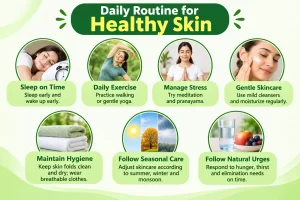
- Sleep. Aim to sleep early and wake early. Poor sleep increases inflammation and stress hormones, which commonly worsen skin conditions.
- Exercise. Regular, moderate activity such as walking or yoga improves circulation and digestion. Avoid excessive sweating in hot conditions if your skin is prone to infection or irritation.
- Stress management. Practices such as meditation, pranayama (for example, Anulom Vilom and Bhramari), and gentle yoga can calm the nervous system. Many people notice that their skin flares up when their stress rises.
- Gentle skincare. Use mild, fragrance-free cleansers. Avoid scrubbing, very hot water, and unnecessary products. Moisturise while the skin is still slightly damp after bathing.
- Hygiene in infection-prone skin. Keep skin folds dry, change damp clothes quickly, wear breathable cotton, and do not share towels, combs, or clothing.
- Seasonal care. In winter, focus on oil massage and deep moisture. In summer and monsoon, focus on keeping the skin cool, clean, and dry, and on lighter food.
- Avoid suppressing natural urges. Respond to hunger, thirst, and elimination needs on time.
When to See a Doctor
Skin problems are sometimes more serious than they look. Seek prompt medical evaluation if you notice:
- A rapidly spreading rash
- Blistering, oozing, or pus-filled sores
- Fever, severe pain, or swelling with warmth and redness
- A rash after starting a new medicine
- Swelling of the face, lips, or tongue, or trouble breathing
- A mole that changes in size, shape, or colour, or a sore that does not heal
- Symptoms that last more than a few days despite home care
- Sudden worsening after stopping or changing medication
Many skin diseases look similar, and a wrong guess can delay proper care. Never stop prescribed medicines, especially steroids or immune-suppressing drugs, without medical advice.
Conclusion
Types of skin diseases range from simple, short-lived irritations to chronic conditions that affect confidence and quality of life. Modern medicine offers valuable tools for diagnosis and symptom control. Ayurveda adds a complementary perspective: look at digestion, toxins, stress, diet, and daily habits, and treat the person, not only the patch of skin.
Healthy skin is rarely the result of a single cream or capsule. It grows from consistent habits: eating food that suits you, sleeping on time, managing stress, avoiding known triggers, keeping the skin clean and moisturised, and seeking proper guidance when something does not look or feel right.
Every skin condition is different, and the right care starts with understanding its cause. Book a Video consultation to discuss your skin concerns with an expert and learn about suitable care options.

FAQs
1. Is it possible for Ayurveda to permanently treat skin diseases?
As Ayurveda works to treat the cause of an issue and prevent relapse, there are many cases of patients getting better. But results depend on the specific skin disease, the stage of the disease, and strict adherence to the dietary and lifestyle regime.
2. How long is the time required for treating skin diseases using Ayurveda?
For mild cases, a few weeks might be enough, while for chronic ailments, several months would be required. Once cleansing is done, there is an intake of internal medicines and rejuvenation for some time.
3. Is Panchakarma safe for everyone?
Panchakarma is individualised. Same practices are not suitable
4. Is it safe to apply neem and turmeric on my own at home?
These simple and mild applications, such as diluted turmeric paste, are quite common; however, there is always a possibility of an unexpected reaction from the skin. Therefore, it is recommended to do a patch test before using them and not use them on open wounds and inflamed skin.
5. Are skin diseases contagious?
Some skin diseases, like fungal infection, scabies, impetigo, and warts, are contagious, while the others, like eczema, psoriasis, and vitiligo, are not contagious.
Disclaimer: The information provided on this blog is for general educational and informational purposes only. It is not intended to replace professional medical advice, diagnosis, or treatment. Always consult a qualified healthcare professional before making any changes to your diet, lifestyle, or treatment plan. Individual results may vary.