Knee problems are becoming common in people of all ages. Long working hours, lack of physical movement, excess weight, injuries, and aging often put pressure on the knee joints. When knee discomfort is ignored for a long time, it can slowly affect daily life, making it hard to walk, climb stairs, or even sit comfortably.
Many people search for natural and lasting solutions instead of relying only on painkillers. One such trusted Ayurvedic therapy is Janu basti, which has been practiced for years to support joint health.
At Jeena Sikho HiiMS, an Ayurvedic hospital known for its holistic care, this therapy is offered as part of a well-planned approach for joint care. Ayurveda believes in treating the root of the problem rather than just hiding the symptoms.
Through warm medicated oils and careful procedures, this therapy helps support knee comfort and movement. Understanding how this treatment works can help you make better decisions for your joint health and overall well-being.
Understanding Knee Pain and Its Common Causes
Knee pain can affect anyone, whether young or old. In the beginning, knee discomfort may feel mild, but it can slowly develop into a serious concern if ignored. Knee pain may develop from stressed joints, weak muscles, wrong posture, old injuries, and unhealthy eating habits.
In some cases, weather changes and lifestyle habits also play a role. People who sit for long hours or do heavy physical work are more likely to face knee problems. When the pain lasts for months or years, it often turns into chronic knee pain, which can disturb sleep and limit daily activities. Understanding the real reason behind the pain is important before choosing any form of care.
What Is Janu Basti in Ayurveda?
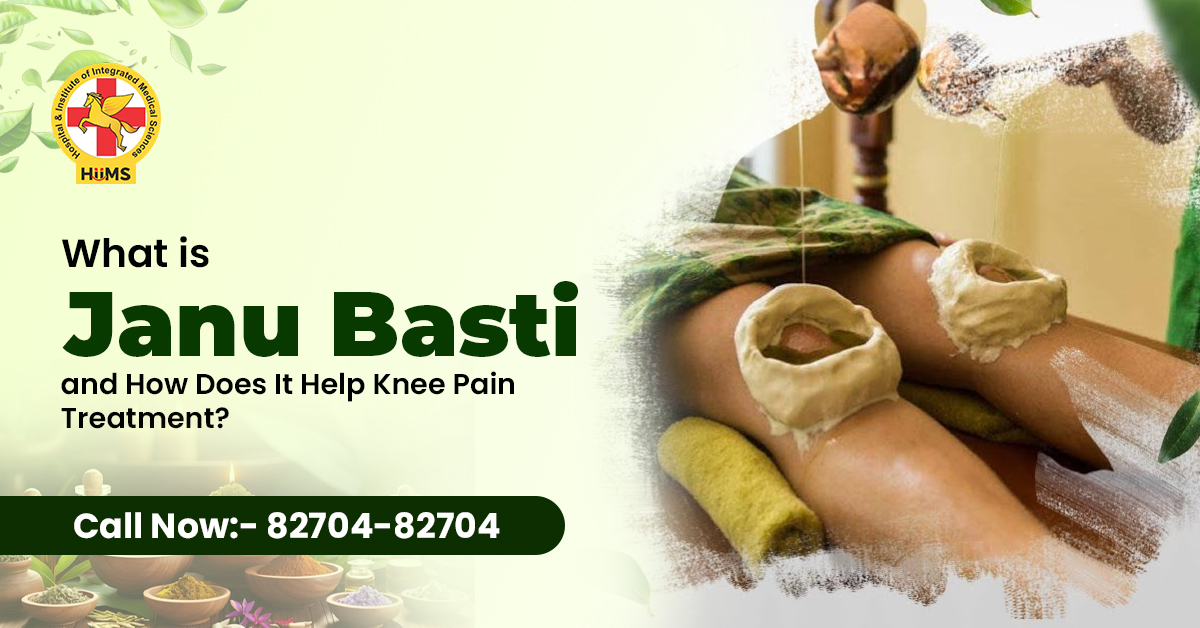
This is a traditional Ayurvedic treatment commonly used for knee-related discomfort. A soft dough ring is carefully fixed around the knee, and warm medicated oil is gently poured into the space inside it. The oil is maintained at the right temperature for a fixed duration so it can penetrate deep into the tissues.
This process helps nourish the joint area and supports natural healing. Unlike temporary solutions, this therapy works gently and focuses on joint strength. According to Ayurveda, knee discomfort happens when the body goes out of balance, especially because of dryness and reduced strength in the joints. Applying warm oils through this therapy helps improve balance and ease discomfort.
How Janu Basti Helps in Knee Pain Treatment
Among natural knee pain treatment options, this therapy holds strong importance in Ayurveda. The warmth of the oil helps improve blood flow around the knee joint, which supports healing. It also helps reduce stiffness and supports smoother joint movement.
People suffering from severe knee pain often find this therapy soothing because it relaxes the surrounding muscles and tissues. With regular sessions over a period of time, some people may feel less dependent on pain medicines. As the oils are selected according to each person’s condition, the therapy feels more focused and effective.
The Role of Oils Used in the Therapy
The success of this therapy mainly depends on the type and quality of oil used. In Ayurveda, herbal oils are prepared from natural ingredients that support joint health. These oils support the nourishment of bones, muscles, and ligaments.
When warm oil stays in contact with the knee, it allows the goodness of herbs to reach deep layers. This supports natural knee pain relief by reducing dryness and improving flexibility. The choice of oil may differ from person to person, depending on age, body type, and the severity of discomfort.
Procedure of Janu Basti at Jeena Sikho HiiMS
At Jeena Sikho HiiMS, Janu Basti is performed under experienced supervision to maintain safety and comfort. Before beginning, the patient is carefully checked to understand the condition and the reasons behind knee pain. Then, a dough ring is prepared and placed around the knee.
Warm herbal oil is gently poured inside the ring and maintained at a suitable temperature. The therapy is done for a specific duration, followed by a light massage. This careful approach makes the therapy effective and relaxing. The hospital combines this therapy with diet advice and lifestyle guidance for better results.
Who Can Benefit from This Therapy?
This therapy is helpful for people facing joint stiffness, swelling, and long-term discomfort. Those dealing with chronic knee pain due to aging or daily strain may find relief through this method.
It is also useful for individuals looking for natural treatment options for knee pain without strong medicines. It is important to talk to an expert before choosing any therapy. A proper evaluation ensures the therapy is appropriate for your condition and overall body needs.
Supporting Lifestyle Changes for Better Results
Even though therapies are important, lifestyle choices should not be ignored. Managing body weight, staying active with mild exercises, and eating nutritious meals can help maintain joint health.
Avoiding sudden movements and giving proper rest to the knees is equally important. These steps help reduce knee pain causes and support long-term comfort. These habits, when combined with therapy, can help in knee pain relief and support overall joint health.
Conclusion
Knee discomfort should not be taken lightly, especially when it begins to interfere with everyday activities. Ayurvedic therapies provide a soft and natural way to care for joint health. Janu Basti works by nourishing the knee joint and helping the body heal in its own way. When performed under expert supervision, it can support lasting comfort and smoother movement.
Jeena Sikho HiiMS follows a complete Ayurvedic approach that focuses on overall balance rather than just symptoms. With the right guidance, healthy routines, and natural therapies, managing knee discomfort becomes more effective and long-lasting.

FAQs
1. What factors commonly lead to knee discomfort?
Age-related changes, weight concerns, weak muscles, old injuries, and limited physical activity are common causes.
2. How do long office hours impact knee health?
Sitting for long periods reduces movement and may cause stiffness and weakness in the knee joints.
3. Are Ayurvedic approaches suitable for knee care?
They are usually gentle and considered safe when performed under expert guidance.
4. Does ongoing knee pain need attention?
Ongoing pain can affect sleep, walking ability, and daily comfort if not managed on time.
5. How does Ayurveda help in joint care?
Ayurveda focuses on balancing the body and encouraging natural healing