
Your kidneys work very hard every day to clean your blood. They help keep your body healthy by removing waste and excess water. But when you eat too much unhealthy food, feel stressed, or don’t drink enough water, your body starts to build up waste. This over time makes your kidneys work much harder than they should.
Many people try home remedies or diets to clean their bodies, but these can sometimes hurt weak kidneys. Ayurveda offers a safer and more natural way called a kidney detox.
Ayurveda brings balance back to the body’s three main energies, Vata, Pitta, and Kapha. Using simple therapies and natural herbs, this gentle detox helps clear out hidden waste, keeps your kidneys working smoothly, and protects your health for the long run.
Table of Contents
The Ayurvedic View of Kidney Health & The Three Doshas
In traditional Ayurvedic wisdom, the kidneys are referred to as Vrkka. They are formed from the essence of Rakta (blood) and Meda (fat) tissues. Ayurveda examines how the doshas govern waste filtration, fluid balance, and tissue nourishment.
When these three energies fall out of balance, kidney function begins to suffer
- Vata Imbalance: The Vata dosha represents air and space. An imbalanced vata can cause dryness, tissue degeneration, and poor circulation. In the kidneys excess Vata can lead to shrinking of renal tissues, irregular filtration, and difficulty passing urine.
- Pitta Imbalance: Pitta governs heat, metabolism, and chemical transformations. High pitta creates inflammation, burning sensations during urination, and heat stress in the delicate blood vessels of the kidneys
- Kapha Imbalance: Kapha represents earth and water elements. When out of control, it creates heaviness, fluid retention (edema), swelling in the feet and face, and physical blockages in the urinary channels (Srotas).
Understanding these unique energies makes it clear why Kidney Cleansing Naturally requires a personalized approach.
How Panchakarma Therapy Works for Kidney Health
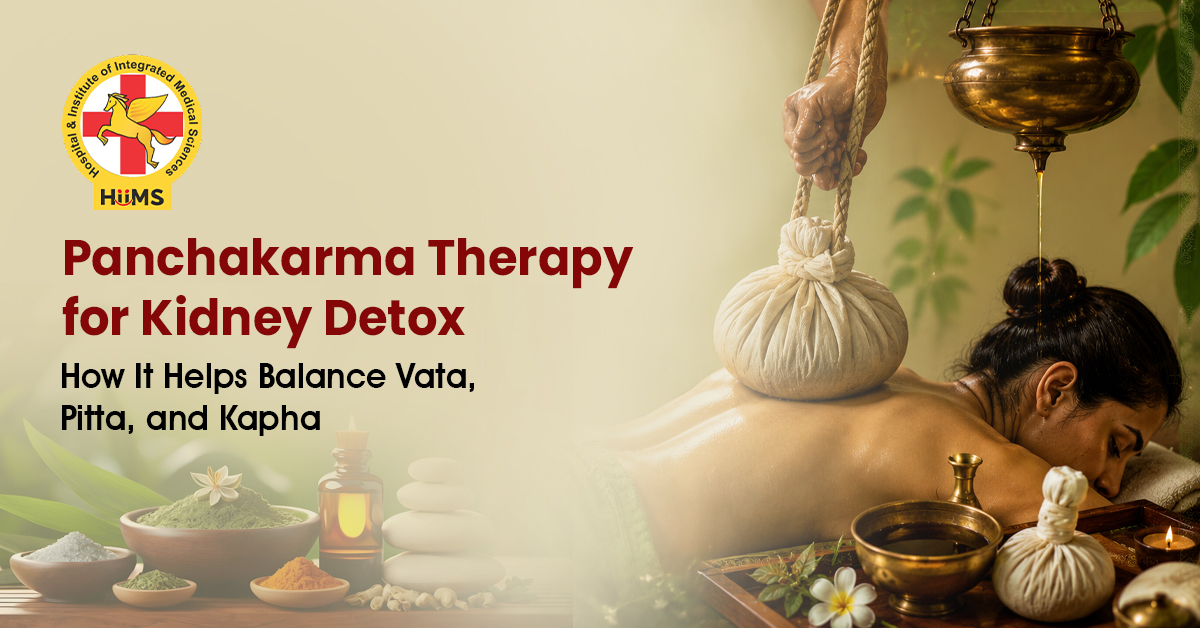
Panchakarma is Ayurveda’s premier purification system. It goes far beyond superficial cleansing by removing deeply embedded toxins, known as Ama, from cellular tissues.
Over months and years, undigested food toxins and metabolic waste settle into the micro-channels of the kidneys. Normal digestion cannot clear these deep deposits. Panchakarma for Kidney Detox uses specialized therapeutic elimination processes to loosen these toxic wastes and gently remove them from the body.
An Ayurvedic doctor customizes Panchakarma therapy to match your body type, strength, and degree of imbalance. By clearing these blocked pathways, it helps restore fluid regulation, improves blood parameter levels, and rejuvenates overall energy.
Key Panchakarma Procedures for Balancing Doshas & Flushing Toxins
A clinical detox involves structured steps to prepare, mobilize, and safely eliminate waste from the body. Here are the primary therapies used during a kidney detox therapy program.
Abhyanga & Swedana
Before deep purification begins, the body must be prepared. Abhyanga involves full-body massage using warm, herb-infused oils that penetrate deep into tissues to soften hardened toxins.
Virechana
Virechana focuses on clearing excess Pitta heat and toxins accumulated in the liver, gallbladder, and blood. By administering specific herbal formulations, the gut gently clears out heat-driven impurities. Removing this metabolic burden reduces inflammatory stress on the kidneys and cleanses the bloodstream.
Basti
Basti is widely regarded as the most powerful treatment in Ayurveda for regulating Vata dosha. Because the colon is the primary seat of Vata, introducing warm herbal decoctions and oils through a therapeutic enema nourishes the lower abdomen, reduces dryness, improves nerve signaling, and aids natural fluid excretion.
Raktamokshana (Blood Purification)
In select cases where blood toxicity or high Pitta is severe, controlled blood-purifying therapies are used under strict supervision to reduce metabolic pressure and protect renal tissue.
Simple Diet and Lifestyle Changes for Better Detox
Therapy works best when paired with a supportive daily routine and nourishing diet. What you put into your body during and after detox determines how well your kidneys recover.
Choose Sattvic Foods
Focus on freshly cooked, warm meals. Foods like cucumber, bottle gourd, pumpkin, cooked barley, and split green gram are light on the stomach and gentle on the kidneys.
Avoid Heavy and Irritating Foods
Avoid excessively salty, sour, or spicy foods, as well as processed snacks, deep-fried items, and cold preserved foods. These disturb Vata and Pitta, making waste clearance harder.
Hydration
Avoid drinking cold water. Instead, drink warm water or herb-infused water every day to support smooth fluid movement without shocking your digestive system.
Use Healing Herbs
Ayurvedic herbs like Punarnava (which restores kidney tissue), Gokshura (which supports urine flow), and Varun (which clears urinary blockages) form an integral part of an Ayurvedic kidney detox.
Why Choose Jeena Sikho HiiMS for Kidney Care
When dealing with kidney care, expert guidance is essential. At Jeena Sikho HiiMS, patient care focuses on combining Ayurvedic wisdom with modern health monitoring to ensure your recovery is both safe and effective. Experienced Ayurvedic doctors assess your complete medical history and current test reports before creating a personalized healing plan according to your exact health needs.
Jeena Sikho HiiMS avoids temporary quick fixes and provides root cause treatment by focusing on Panchakarma therapies, dietary changes, lifestyle changes, and natural herbs that help repair and protect renal health naturally. Throughout your treatment, trained medical staff closely monitor your blood urea and creatinine levels to ensure steady progress. By creating a comfortable environment for deep healing, HiiMS empowers you to clear built-up toxins, restore balance to your body, and protect your renal health naturally.
Conclusion
Your kidneys keep your body clean and balanced. When toxins build up and Doshas go out of balance, a structured kidney detox is a safe, natural way to eliminate metabolic waste, lower inflammation, and bring back fluid balance.
Give your body the professional care it deserves. Take a positive step toward lasting wellness by visiting Jeena Sikho HiiMS today. Or book a VOPD from the official HiiMS website to schedule an online consultation with an experienced Ayurvedic specialist and start your personalized healing journey.

FAQs
1. Is Panchakarma safe if I already have kidney problems?
Yes. It is safe if done at a specialised Ayurvedic centre like Jeena Sikho HiiMS where doctors personalise the treatment according to your body type.
2. How is a clinical detox different from drinking a detox juice at home?
Detox juices only offer basic daily support while a clinical detox uses specialised therapies to clear out deep toxins.
3. How often should I do a kidney detox?
Doing a professional detox once a year is usually enough to keep your body clean but your doctor will give you the right timeline if you have existing health issues.
4. How does balancing Vata help my kidneys filter better?
Balancing Vata stops dry tissue build-up and relaxes your urinary tract so urine can flow out naturally without pain or blockage.
5. Will I need to follow a diet during the treatment?
Yes, you will need to eat simple, warm, light foods which don’t burden the kidneys, like cooked vegetables and moong dal, to help your body heal.
Ayurvedic Kidney Care Products
100% natural, certified Ayurvedic formulations crafted for targeted kidney wellness.



Disclaimer: The information provided on this blog is for general educational and informational purposes only. It is not intended to replace professional medical advice, diagnosis, or treatment. Always consult a qualified healthcare professional before making any changes to your diet, lifestyle, or treatment plan. Individual results may vary.