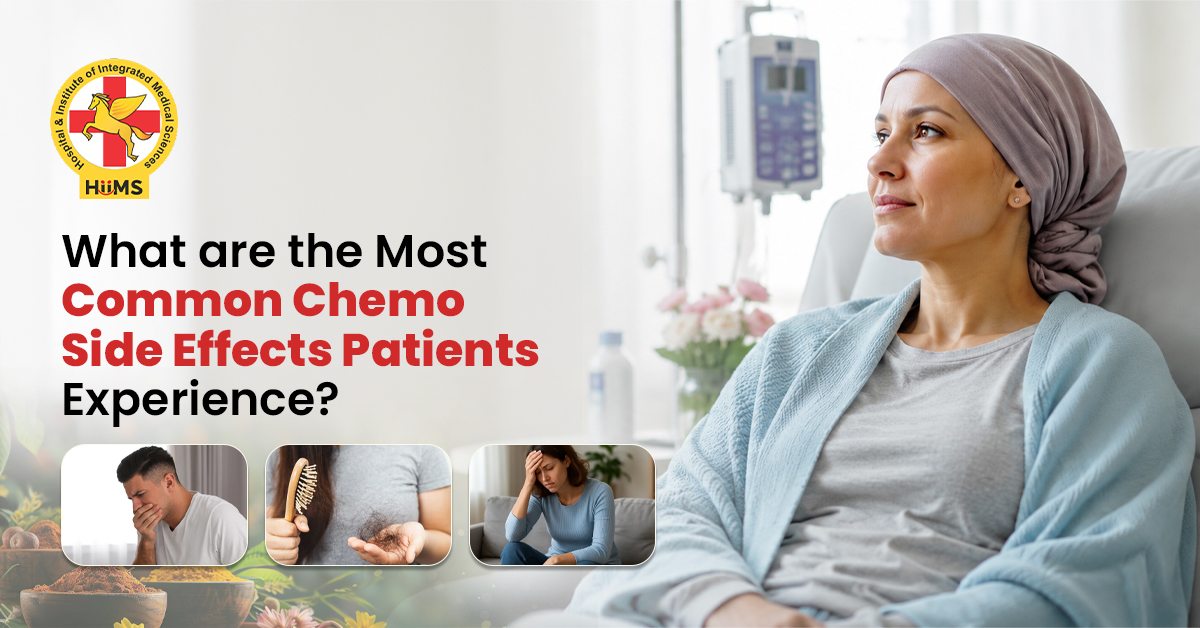

Most people feel nervous before starting chemotherapy. Not just because of the disease, but because of the fear of what treatment may bring. Questions about weakness, nausea, hair fall, and daily life begin to feel overwhelming. Some patients worry more about the chemo side effects than the treatment itself.
The truth is, every person experiences chemotherapy differently. While some people experience minimal discomfort, others might be feeling extremely fatigued and physically exhausted. The impact will be dependent on the cancer treatment used, the types of medication administered, and the patient’s physical condition.
Chemotherapy involves destroying rapidly dividing cancer cells; however, other normal cells may be killed while doing so. That is why patients undergoing chemotherapy treatment may have side effects such as nausea after chemotherapy, fatigue from chemotherapy, and even hair loss after chemotherapy. Even though these conditions may be hard to handle, most of them are temporary. It is important to know about this beforehand for mental preparation.
Table of Contents
Why Chemo Side Effects Happen
Chemotherapy medicines are designed to attack cancer cells that grow quickly. The problem is, some healthy cells in the body also grow fast, especially hair follicles, digestive lining, and blood cells.
Different people have different cancer symptoms; some go about their business as usual, but for others, they require more rest due to their illness.
1. Fatigue During Chemotherapy
Another commonly experienced chemo side effect can be extreme tiredness. This is not normal tiredness that improves after sleep. M is experiencing extreme fatigue. However, it should be noted that such fatigue does not get better after a good night’s sleep. Such a condition causes many people to experience exhaustion throughout the day.
The cause of fatigue in chemotherapy patients might be that the body needs to recover in between treatment intervals. Besides, the reasons for fatigue may include stress, poor appetite, and lack of proper sleep. Small things such as walking and having the right fluid balance, may alleviate some of it.
2. Nausea After Chemotherapy
Nausea after chemotherapy is another common issue many patients experience. Some people feel mild discomfort, while others may deal with vomiting or loss of appetite.
This usually happens because chemotherapy medicines can affect the digestive system and certain brain signals linked to nausea.
Eating light meals, staying hydrated, and avoiding very oily or strongly smelling foods often helps. Doctors may also suggest medicines to manage nausea during cancer treatment.
3. Hair Loss After Chemo
Hair loss after chemo is one of the most emotionally difficult side effects for many patients. Chemotherapy can affect hair follicles because they are fast-growing cells. Hair may begin falling within a few weeks of treatment.
For some people, hair thinning is mild, while others may lose most of their hair temporarily. In many cases, hair starts growing back after treatment ends. Patients often use scarves, caps, or simply keep their hair short during this phase to feel more comfortable.
4. Weakness After Chemotherapy
Weakness after chemotherapy might be as a result of physical and psychological endurance. This means that one will always feel sluggish and exhausted when carrying out daily activities. This is because cancer therapy affects the blood cells in the body, leading to low endurance levels. Besides, the body expends its energy during recovery from each dose of treatment.
5. Changes in Appetite and Digestion
Many people notice changes in taste, appetite, or digestion during cancer treatment. Food may not taste the same, and some patients lose interest in eating altogether. These side effects are possible, based on the medication that will be taken. Big meals are not advised; rather, several smaller meals should be taken frequently.
6. Emotional Stress During Treatment
Chemo side effects are not only physical. Emotional stress is also common. Patients may feel anxious, irritated, or mentally exhausted during treatment.
Changes in appearance, weakness, and uncertainty around recovery can affect emotional health. Support from family, doctors, and carers becomes very important during this period. Patients should not hesitate to talk openly about what they are feeling.
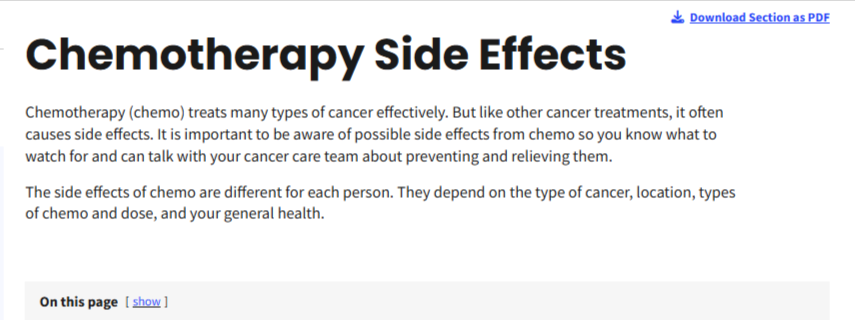
Check the research paper on chemotherapy side effects:
American Cancer Society – Chemotherapy Side Effects
This article explains common chemotherapy side effects such as fatigue, hair loss, nausea, vomiting, anemia, infection risk, and nerve problems.
When Patients Should Speak to Their Doctor
Some side effects are manageable at home, but certain cancer symptoms should not be ignored.
In cases where nausea becomes too much, weakness suddenly increases, or there is the presence of a fever, it is necessary to report to the physician. Early intervention can help avoid potential complications and provide effective treatment. It is good to remember that each individual case is unique.
At Jeena Sikho HiiMS, each patient is supported throughout their treatment process, allowing for the early identification of such changes. Effective follow-ups and recommendations enable the management of side effects more efficiently.
Conclusion
Chemo side effects may be challenging to cope with, especially at the start, but knowledge of them enables patients to prepare adequately. Cancer symptoms, including being tired from undergoing chemotherapy, having nausea due to chemotherapy, feeling weak due to chemotherapy, and hair loss after chemotherapy, are common, although they usually are only temporary.
Cancer therapy goes beyond just taking medicines. Emotional support, proper nutrition, enough rest, and counselling play important roles in the healing process as well. If you or your loved one is going through cancer therapy and wants proper guidance, you can connect for a VOPD consultation. For more details, contact care@jeenasikho.com to learn about the right support needed during treatment.

FAQs
Q1. What are the side effects of chemotherapy?
The common side effects that accompany chemotherapy include fatigue, nausea, hair loss, weakness, changes in the appetite, and also digestive disorders.
Q2. How long do the feelings of fatigue last while under chemotherapy?
Every individual may feel differently. It may be just days or continue for the whole time of the chemotherapy cycles.
Q3. When does the hair fall start after chemotherapy?
Hair fall usually begins within weeks after starting the chemotherapy procedure.
Q4. What kind of food will be easier to consume during chemotherapy?
Light and fresh foods will be easy to digest during the time of chemotherapy.
Q5. Why do patients become nauseated after chemotherapy?
This is because of the medicines that are used during chemotherapy, which trigger nausea and vomiting.
Ayurvedic Cancer Care Products
100% natural, certified Ayurvedic formulations crafted for targeted cancer wellness.



Disclaimer: The information provided on this blog is for general educational and informational purposes only. It is not intended to replace professional medical advice, diagnosis, or treatment. Always consult a qualified healthcare professional before making any changes to your diet, lifestyle, or treatment plan. Individual results may vary.