
+The liver works in the body quietly all day, and most people do not think about it until their body starts giving uncomfortable signals. A person may feel more tired than usual, notice that food is not settling well, or see a little swelling and assume it is only because of stress, irregular meals, or a busy routine.
That is where the problem generally starts, because liver damage usually moves slowly and quietly before it becomes obvious. Liver cirrhosis treatment is important at this stage, not only because the condition can grow over time, but also because the body still gives early warnings that should be taken seriously.
In this blog, you will see what cirrhosis means in simple words, which liver cirrhosis symptoms need attention, when a liver cirrhosis hospital stay becomes necessary, and how Ayurvedic treatment for liver cirrhosis can support the body in a steady and practical way.
Table of Contents
What Liver Cirrhosis Means in Simple Words
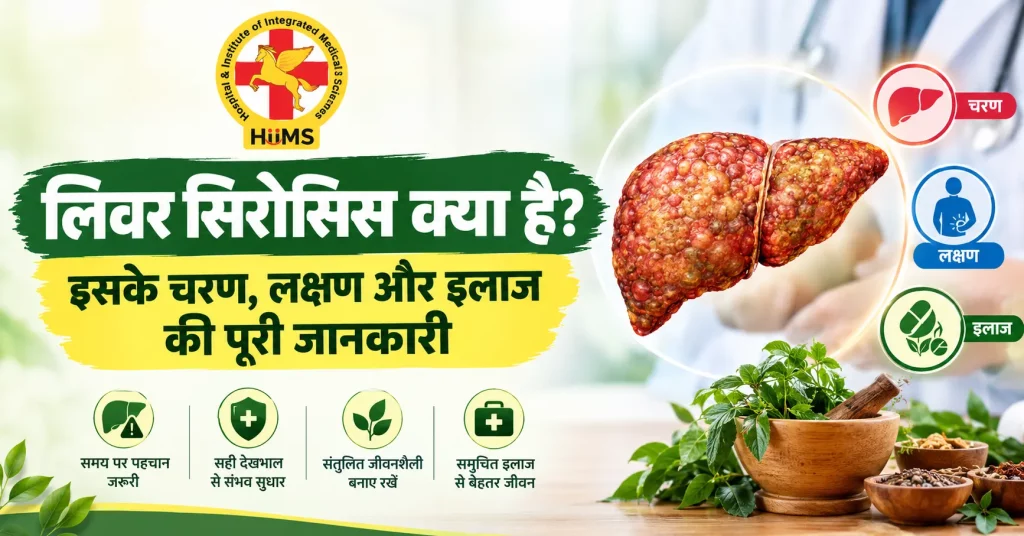
Liver cirrhosis is a long-term condition in which healthy liver tissue slowly turns into scar tissue after repeated damage. With time, the damaged areas increase inside the liver, and because of that, the body may start facing problems with digestion, energy, and clearing unwanted waste naturally. This change does not happen in one day, which is why many people do not notice it in the beginning.
The body keeps adjusting for some time, and the person may only feel small changes at first. That is why liver cirrhosis symptoms often get overlooked until the problem has already moved ahead. Once the liver starts to struggle more clearly, everyday life can feel heavier in a way that is hard to explain.
Common Liver Cirrhosis Symptoms You Should Not Ignore
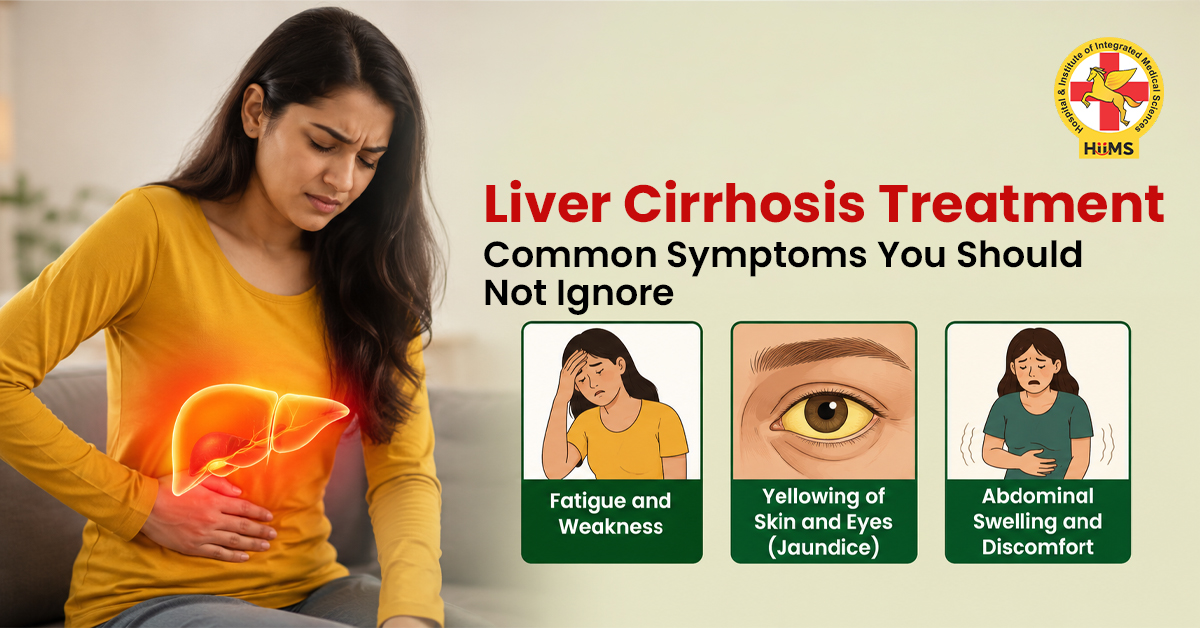
One of the earliest signs is constant tiredness. It does not always feel like normal sleepiness; sometimes the body feels drained even after proper rest. Food may not feel pleasant anymore, and a person may begin avoiding meals or feel full very quickly. Some people also feel uneasy after eating, notice heaviness in the stomach, or deal with mild nausea quite often. Body weight may suddenly change without any clear reason, while bloating slowly starts becoming part of the daily routine.
As the condition grows, the signs become easier to notice. Some people begin noticing swelling around the legs, ankles, or stomach area. The skin or eyes may start looking yellow, itching may trouble the body again and again, and marks on the skin may appear even after a small hit. At times, a person may also struggle with focus, feel mentally tired, or forget things more often than usual. These liver cirrhosis symptoms are the body’s way of asking for attention, and they should not be dismissed as everyday weakness.
When Should You Visit a Liver Cirrhosis Hospital?
People often wait until discomfort becomes severe, but that delay can make the condition harder to handle. If swelling keeps coming back, appetite drops for a long time, yellowing appears, or weakness becomes part of the routine, it is time to visit a liver cirrhosis hospital.
A proper check-up helps the doctor understand how much the liver is affected and what kind of care should be started. Blood tests, liver function reports, and detailed consultation often explain the condition far more clearly than assumptions made at home. A good liver cirrhosis hospital also helps the patient and family understand the condition in a simple way, which is essential when people are already worried and confused.
Understanding Ayurvedic Treatment for Liver Cirrhosis
Ayurveda does not look at the liver as a separate problem alone. It looks at digestion, sleep, routine, food habits, and toxin build-up together, because all of these can place pressure on the liver over time. When digestion stays weak and meals become irregular, the body starts carrying extra load, and that load can affect liver balance. This is where Ayurvedic treatment for liver cirrhosis becomes useful for many people because it works in a gradual and supportive way rather than forcing the body.
Herbal support is often part of this care. Bhumi Amla, Kutki, Guduchi, Kalmegh, and Punarnava are commonly used according to the patient’s condition and the doctor’s guidance. Along with herbs, light food, proper hydration, fixed meal timings, and gentle detox support may help the body feel less burdened.
That is why many families prefer Ayurvedic treatment for liver cirrhosis when they want a more balanced and natural path.
Liver Cirrhosis Treatment at Jeena Sikho HiiMS
At Jeena Sikho HiiMS, the focus stays on the person’s actual condition, not just on the name of the disease. The treatment plan is usually built after looking at digestion, appetite, routine, strength, and the pattern of symptoms. This makes liver cirrhosis treatment more practical, because the care is not imitated from one patient to another.
It may include Ayurvedic support, detox guidance, food correction, daily routine changes, and regular monitoring, all in a way that feels manageable in real life. Many people feel better when they understand the plan clearly and can follow it without confusion.
Conclusion
Liver problems often start with small changes, and that is why those early signs should never be ignored or put aside. Ongoing tiredness, swelling, yellow eyes, poor digestion, and weakness may look simple at first, but together they can point to a liver that needs attention.
Timely liver cirrhosis treatment can help a person handle the condition in a calmer and more informed way, especially when it is supported by proper diet, routine, and natural care.
If you are noticing liver-related concerns, you can also opt for an online video consultation (VOPD) for your health issue with expert doctors at Jeena Sikho HiiMS.

FAQs
1. What are the early signs of liver cirrhosis?
Early signs often include tiredness, poor appetite, heaviness after meals, and mild bloating that keeps returning.
2. Why does swelling happen in liver cirrhosis?
Swelling can appear when the liver is not managing fluids properly, which may affect the feet, ankles, or stomach area.
3. How does Ayurveda support liver health?
Ayurveda focuses on digestion, routine, detox support, and herbal care to reduce pressure on the liver in a gradual way.
4. When should someone visit a liver specialist?
A specialist should be consulted when yellowing, repeated swelling, weakness, or digestive problems keep happening over time.
5. What kind of diet usually helps during liver care?
Light meals, fresh food, proper hydration, and avoiding oily or processed items are usually preferred during liver support.
Ayurvedic Liver Care Products
100% natural, certified Ayurvedic formulations crafted for targeted liver wellness.



Disclaimer: The information provided on this blog is for general educational and informational purposes only. It is not intended to replace professional medical advice, diagnosis, or treatment. Always consult a qualified healthcare professional before making any changes to your diet, lifestyle, or treatment plan. Individual results may vary.