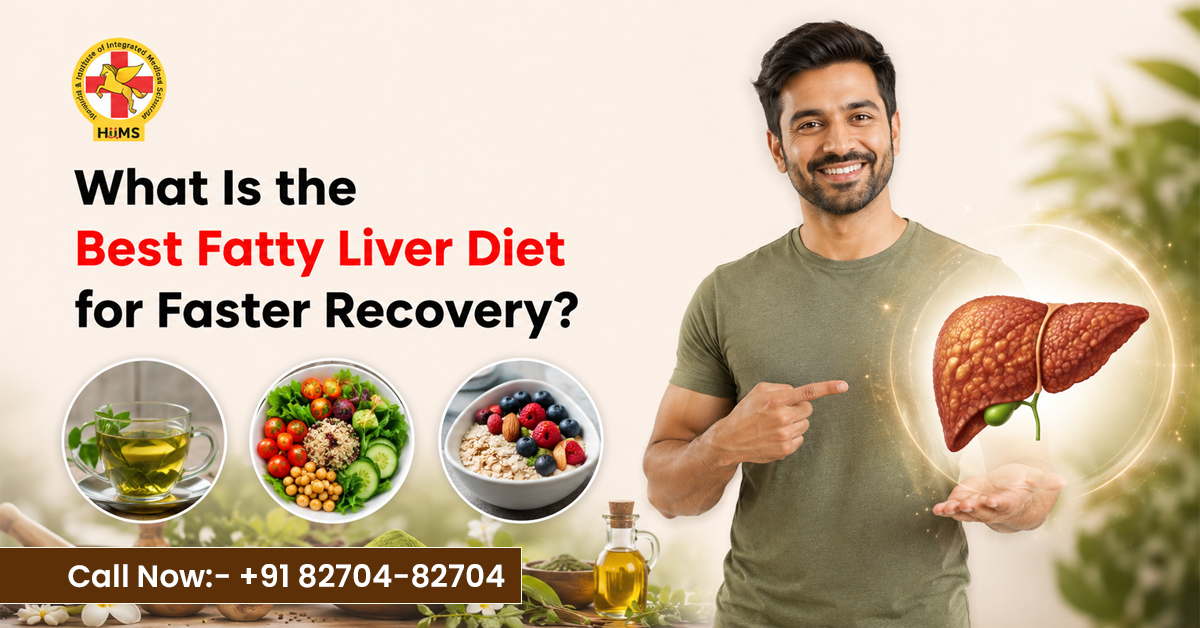

Most people do not realize they have a liver issue until a report points it out. Fatty liver usually does not create strong symptoms in the beginning. It builds slowly, often because of daily habits that seem normal. Irregular meals, outside food, stress, and long sitting hours quietly start affecting the liver.
Once diagnosed, the first thought is usually about medicines. But in reality, one of the biggest changes comes from food. A proper fatty liver diet can help the body feel lighter, improve digestion, and support gradual recovery.
The advantage here is that it doesn’t demand any drastic measures. Small and continuous alterations to your eating habits will yield visible results.
Table of Contents
What Fatty Liver Actually Means?
Fatty liver happens when excess fat starts building up in liver cells. In early stages, it may not cause pain or discomfort. However, neglecting it can have an effect on your liver’s functioning. The common risk factors for fatty liver disease are:
- Unhealthy diet.
- Lack of exercise.
- Weight gain.
- Excess consumption of sugar.
- Consumption of alcohol.
The liver helps to digest food and detoxifies the body. When it slows down, the whole body starts feeling heavy and low on energy.
Why Diet Matters the Most in Recovery?
When it comes to liver disease treatment, diet is not just a small part. It is the base. Medicines can assist, but the foods that you consume daily will dictate the actions of your liver. The best fatty liver diet plan includes:
- Fat reduction.
- Digestion improvement.
- Enhancing natural detoxification.
- Maintaining steady energy levels.
It is not about eating less. It is about eating right.
Foods That Support a Fatty Liver Diet
- Light Foods
Light food is the best type of diet for proper liver function. This diet comprises fresh vegetables, fruits, and light cereals.
- High-Fiber Foods
High-fiber foods, such as oats, vegetables, and cereals, enhance digestion and metabolic rate.
- Moderate Consumption of Healthy Fats
It should be understood that fats do not necessarily constitute unhealthy eating habits. You can consume healthy fats and nuts moderately.
- Herbal supplements
Turmeric, ginger, garlic, and green leafy vegetables are some natural herbs and are usually part of your diet.
- Plenty of Liquids
Drinking plenty of water, coconut water, and unsweetened fruit juices ensures that you are hydrated well.
Foods to Avoid for Better Recovery
Just as important as what to eat is what to avoid. Try to reduce:
- Fried and oily food.
- Packaged and processed items.
- Sugary drinks and desserts.
- Refined flour products.
- Excess tea or coffee.
- Alcohol.
These foods increase pressure on the liver and slow down recovery.
Daily Habits That Make a Real Difference
Along with a fatty liver diet, routine plays a big role. Some simple practices include:
- Eating on time.
- Not eating too much.
- Walking a little bit after eating.
- Being active during the day.
- Getting enough sleep.
- Avoid late night eating.
These small steps help the liver function better without extra stress.
Natural and Integrated Care Approach
Some people also explore routine-based care for better support. One such place is the Jeena Sikho HiiMS, which works as an integrated Ayurvedic hospital. The emphasis here is on improving digestion, daily routine, and balance rather than just the symptoms. These may include:
- Development of diets based on individual body types.
- Routine correction.
- Gentle therapies.
- Supporting overall wellness.
This type of care is usually considered along with regular treatment or for long term support. It is not meant for emergency conditions.
pH-Balanced Diet at Jeena Sikho HiiMS
In Jeena Sikho HiiMS, the diet chart that is usually followed is the pH balanced diet chart. This diet chart includes a combination of light food choices such as raw vegetables and fruits, among others. The diet structure follows all those basic principles that are discussed above including light food consumption, natural food intake, drinking lots of water, and having healthy eating habits. In this way, it can be said to be compatible for people suffering from fatty liver problems.
Through the use of the pH balanced diet chart in a very organized manner, the objective remains to have better digestion, lesser burden on the liver, and an established routine. Over the period of time, it might make the body feel lighter through a natural process rather than by making complex alterations.
When to Consult a Fatty Liver Doctor?
Diet can do wonders, but a medical opinion will never hurt you. You should visit a fatty liver doctor who specialises in fatty liver or liver if:
- There are reports that your liver contains more and more fat.
- Fatigue is persistent.
- Problems in digestion persist.
- The weight gain is quick.
- There is pain in the upper stomach.
Proper guidance helps in choosing the right liver disease treatment plan.
Conclusion
The best fatty liver diet is not about strict rules or sudden changes. This is all about cultivating easy-to-follow routines for the body to follow on a day-to-day basis. Fresh food, timing, and no heavy meals contribute greatly towards faster recovery.
With time, the liver starts functioning much better and produces more energy. Consistency, not perfection, is the name of the game. If you need advice or VOPD consultations, contact us at care@jeenasikho.com.

FAQs
1. What is the ideal diet to cure a fatty liver?
The diet consisting of fresh, light, and high-fiber food along with no oily and processed food would help.
2. How much time will it take to get a fatty liver cured using diet?
It varies according to the condition of a person, and it might take several months to show positive results.
3. Which types of food should be avoided in a fatty liver?
It would be best to avoid fried food, soda beverages, and alcohol.
4. Is it possible to treat a fatty liver without medication?
There are cases where some people have managed their fatty liver just by changing their dietary habits and lifestyle.
5. When should one visit a hepatologist for their fatty liver?
If the patient’s symptoms persist, he or she should visit a hepatologist.
Ayurvedic Liver Care Products
100% natural, certified Ayurvedic formulations crafted for targeted liver wellness.


Disclaimer: The information provided on this blog is for general educational and informational purposes only. It is not intended to replace professional medical advice, diagnosis, or treatment. Always consult a qualified healthcare professional before making any changes to your diet, lifestyle, or treatment plan. Individual results may vary.