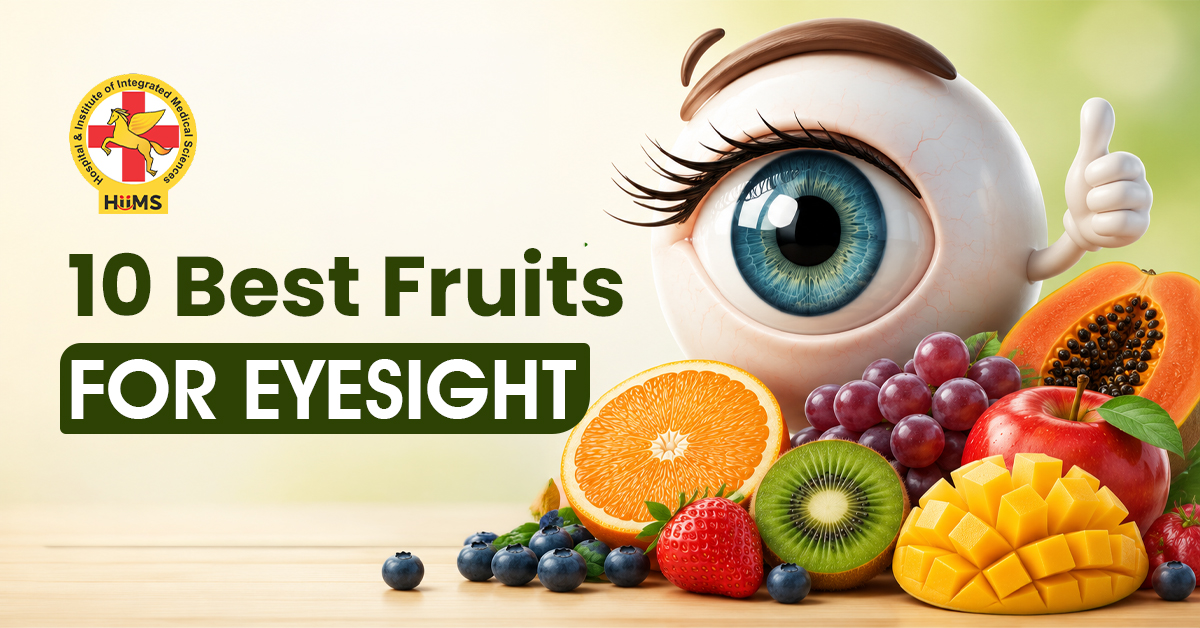

After a long day looking at a screen, many people feel their eyes strain. These days, our eyes do not often get a chance to rest. Phones, laptops, television, even late-night scrolling, it’s all become part of everyday life.
While regular eye check-ups are important, your daily meals deserve care too. Ayurveda has always placed value on fresh, seasonal foods, and that simple idea still makes sense today. A bowl of colourful fruits won’t replace medical care, but it can become one of the easiest healthy habits to follow. So, if you’re looking for the best fruits for eyesight, here’s a list that’s worth keeping in mind.
Table of Contents
Why Fruits Are Important for Your Eyes
Think about how often you choose food because it’s quick rather than nourishing. It happens to all of us.
Fresh fruits naturally provide vitamins, antioxidants and water that contribute to overall wellness. Instead of depending on one miracle food, it’s better to eat different fruits for eyesight throughout the week. Variety often does more than repetition.
1. Amla
Amla has been part of Indian kitchens for generations. Whether it’s eaten fresh, pickled or blended into juice, it’s still one of the simplest ways to include a traditional Ayurvedic fruit in your everyday routine.
2. Papaya
Papaya doesn’t need much preparation. Slice it, chill it if you like, and it’s ready to eat. Many families enjoy it with breakfast because it’s light and naturally sweet.
3. Mango
Mango season doesn’t last forever, which is probably why people enjoy it so much. Instead of processed desserts, a fresh mango can be a satisfying seasonal choice.
4. Orange
There’s something refreshing about peeling an orange yourself. Whole fruits are generally a better option than sugary packaged drinks, and oranges are an easy addition to lunch boxes or evening snacks.

5. Guava
Guava often gets ignored because it’s so common. Ironically, that’s exactly what makes it practical. It’s affordable, filling and easy to carry when you’re on the move.
6. Blueberries
Not everyone keeps blueberries at home, but if they’re available, they’re a nice way to add more colour to your meals. Try them with curd or oatmeal instead of sugary toppings.
7. Kiwi
Kiwi adds a different flavour to your fruit bowl. It isn’t something you have to eat every day, but including different seasonal fruits keeps your meals interesting.
8. Avocado
Avocado surprises many people because it isn’t sweet. Spread it on toast, mix it into a salad or blend it into a smoothie. It’s a simple change if you’re looking for more variety.
9. Watermelon
On a hot afternoon, few things are as satisfying as chilled watermelon. Besides being refreshing, it also helps you stay hydrated, something your whole body appreciates.
10. Pomegranate
Pomegranate takes a little extra effort to peel, but many people feel it’s worth it. Those bright red seeds add crunch, colour and freshness to everything from salads to homemade yoghurt bowls. It’s one of the best fruits for healthy eyes to include as part of a balanced diet.
What Should You Eat During Eye Infections?
Questions about food often come up when someone develops an eye infection.
Many people search for foods good for conjunctivitis, hoping a particular fruit will solve the problem. Fresh fruits, balanced meals and enough water are sensible choices for general health, but conjunctivitis can have different causes. It’s important to follow advice from a qualified healthcare professional rather than relying on food alone.
The same applies if you’re searching for a food for fungal eye infection. Unfortunately, there isn’t a specific fruit or meal that treats this condition. Fungal eye infections need prompt healthcare evaluation. A nourishing diet simply supports your body’s overall well-being while you recover.
A Few Everyday Habits That Help
Food is only one part of the story. Take short breaks from your screen. Blink more often while working. Sleep well whenever you can. Spend a little time outdoors instead of indoors all day. These habits may seem ordinary, but together they can make everyday life more comfortable.
That’s also one of the oldest lessons in Ayurveda: lasting wellness usually grows from small, consistent choices daily rather than extreme changes at once.
Conclusion
Looking after your eyes doesn’t have to be complicated. Start by adding a little more healthy food to your plate. Use a variety of seasonal produce, enjoy a mix of fruits for eye health, drink enough water, and make time to rest your eyes. Simple routines, followed consistently, often last much longer than strict health plans.

FAQs
Q1. Which fruit is considered the best for eyesight?
There’s no single fruit that’s best for everyone. Amla, papaya, mango, oranges, guava, and pomegranate are all nutritious options that fit well into a balanced diet.
Q2. Can fruits improve eye health?
Fruits provide nutrients that are important for overall health, including the eyes. They work best as part of a balanced diet and healthy lifestyle rather than as a replacement for medical care.
Q3. Is Amla good for healthy eyes?
Amla has been valued in Ayurveda for a long time and is commonly included in everyday diets. Many people enjoy it because it’s versatile and easy to add to meals.
Q4. What foods are good during conjunctivitis?
A balanced diet with fresh fruits, vegetables, and enough fluids can be part of your routine. However, conjunctivitis should be assessed and treated based on its underlying cause.
Q5. Can food cure a fungal eye infection?
No. There isn’t any specific food that cures a fungal eye infection. If you notice pain, redness or changes in vision, it’s important to seek medical care without delay.

Disclaimer: The information provided on this blog is for general educational and informational purposes only. It is not intended to replace professional medical advice, diagnosis, or treatment. Always consult a qualified healthcare professional before making any changes to your diet, lifestyle, or treatment plan. Individual results may vary.