
Kidney disease rarely announces itself loudly. Most people carry it for months, sometimes years, without realising anything’s wrong, since the early stages barely feel like anything at all. Your kidneys can lose a fair amount of their function while you still feel more or less fine day to day, and that’s exactly what makes this condition so easy to miss until a routine blood test flags something off.
This blog goes through what kidney disease actually feels like as it progresses, the specific signs worth paying attention to, how doctors usually approach treatment, and where Ayurveda fits in for people looking for a more integrated way to support their kidneys alongside standard care.
Table of Contents
How Common is Kidney Disease, Really?
The ICMR-INDIAB study, published in the Indian Journal of Medical Research, found impaired kidney function in 3.2% of Indians screened nationally, with the risk climbing sixfold in people who had both diabetes and high blood pressure together.
A separate systematic review covered by Medical Dialogues found that CKD prevalence among Indian adults rose from 11.12% between 2011 and 2017 to 16.38% between 2018 and 2023, with Southern India showing the highest rates. That’s a genuine jump within a decade.
If diabetes or high blood pressure runs in your family, it’s worth asking your doctor about a basic kidney function test at your next visit. Book a consultation with Jeena Sikho HiiMS doctors now!
What Are the Early Signs of Kidney Disease?
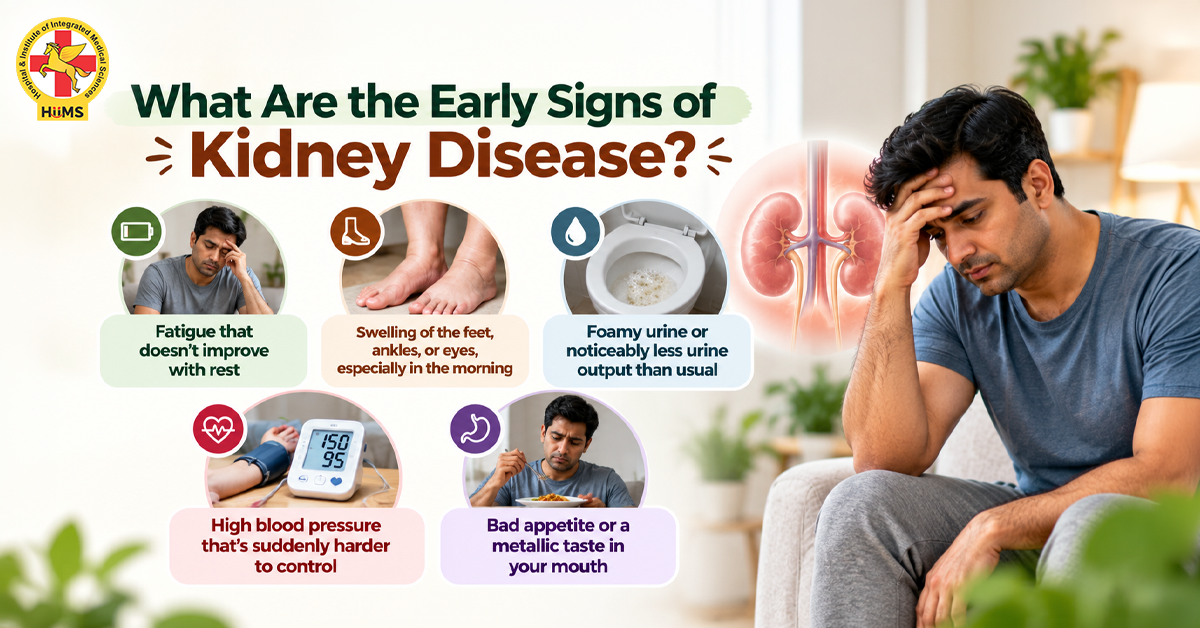
The tricky part with signs of kidney disease is how ordinary they feel at first. Worth watching for:
- Fatigue that doesn’t improve with rest
- Swelling of the feet, ankles, or eyes, especially in the morning
- Foamy urine or noticeably less urine output than usual
- High blood pressure that’s suddenly harder to control
- Bad appetite or a metallic taste in your mouth
What Do Symptoms of Kidney Problems Look Like as They Increase?
Early on, symptoms of kidney problems are often so mild that people miss them entirely. Only about 2% of people found to have CKD in the CARRS study conducted across Delhi and Chennai had actually self-reported knowing they had it beforehand.
As the function declines further, symptoms become harder to miss, persistent nausea, itching, trouble sleeping, and noticeable breathlessness. This gap between what’s happening internally and what a person actually feels is exactly why routine screening matters more than waiting for symptoms.
How is Kidney Disease Treatment Usually Approached, and What Are the Side Effects?
Standard kidney disease treatment generally starts with managing the underlying cause, blood sugar, blood pressure, and diet. ACE inhibitors and ARBs are commonly prescribed since they help protect kidney function long-term, but according to the National Kidney Foundation, they can cause a dry cough in roughly 10% of patients, a temporary dip in eGFR when starting, and, in some cases, raised potassium levels, so regular blood monitoring is part of the deal.
The Kidney Fund also lists dizziness, fatigue, and loss of taste as possible side effects. In more advanced stages, dialysis or transplant becomes part of the conversation, and these come with their own adjustments to daily life that your nephrologist will walk you through.
Currently on medication and wondering what a supportive routine alongside it could look like? It’s worth having that conversation with our experts before adding anything new to your plan.
How Does Ayurveda Approach Kidney Disease?
In Ayurveda the kidneys are called Vrikka, and the health of the kidneys is closely associated with the balance of fluids in the body, digestion, and vitality rather than as a separate organ for filtering. Low Agni, or weak digestion, is considered to be responsible for the accumulation of toxins over time, which slowly affects the efficiency of kidney function.
Ayurvedic Treatment for Kidney Disease at Jeena Sikho HiiMS
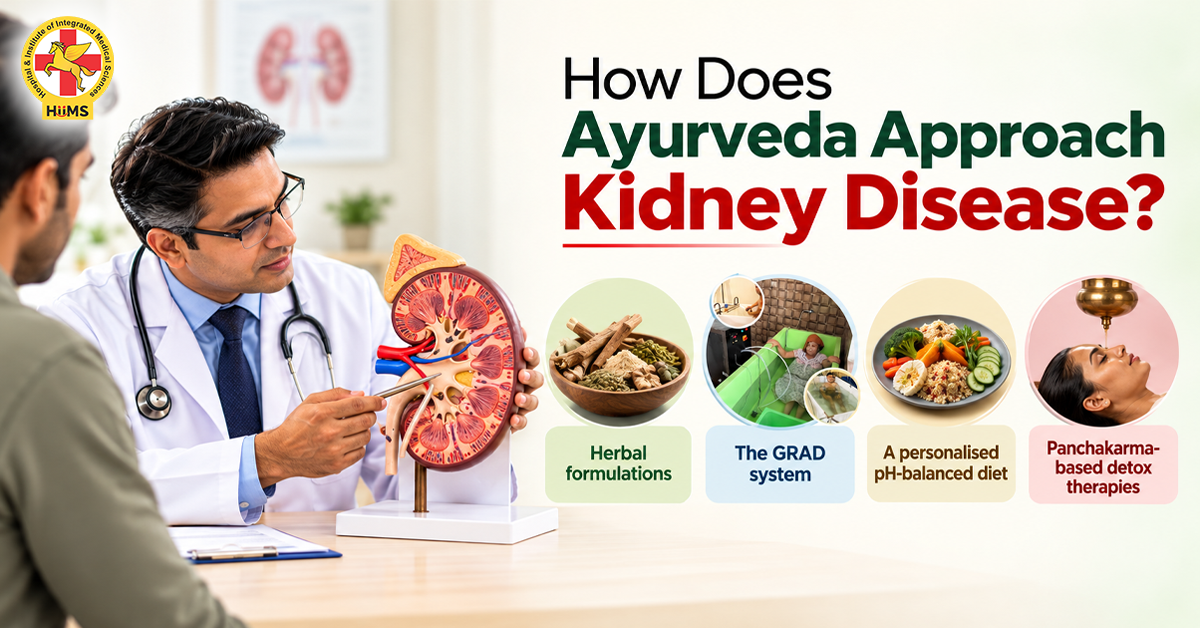
Ayurvedic treatment for kidney disease at Jeena Sikho HiiMS typically combines a few elements working together rather than relying on a single remedy:
1. Herbal formulations: Punarnava, Gokshura, Varuna, and Pashanbheda are traditionally used together to support urinary flow and fluid balance.
2. The GRAD system: At Jeena Sikho HiiMS, kidney care often follows their GRAD protocol, which brings together hot water immersion therapy, head-down tilt therapy, and our pH-balanced diet under one structured routine. The idea is to improve the circulation and to reduce the load of toxins on the kidneys, not just to deal with one factor in isolation.
3. A personalized pH-balanced diet: This follows a two-plate structure, with raw fruits and vegetables eaten first, followed by a lighter, home-cooked meal. The goal is to reduce how much digestive work the body has to do, since weaker digestion is seen as directly tied to toxin buildup in Ayurvedic thinking.
4. Panchakarma-based detox therapies: These are planned carefully according to the patient’s current kidney function and overall strength, since not every detox therapy is appropriate at every stage of kidney disease. A proper assessment usually comes before any of these are recommended.
Finding the Right Kidney Doctor Near You
Whether you’re looking for a kidney doctor for a routine check-up or dealing with an existing diagnosis, it helps to find someone who actually explains your reports rather than just handing you a prescription.
A good kidney doctor near you should walk you through your eGFR trend over time, not just a single number, and take time to understand your diet, lifestyle, and family history before suggesting a plan.
Conclusion
Kidney disease develops quietly, which is exactly why paying attention to small, early signs and getting routine testing done matters so much, especially if diabetes or high blood pressure already runs in your family.
If you want to explore what an integrated, Ayurveda-based approach could look like alongside your current care, you can book a VOPD consultation with Jeena Sikho HiiMS and go through your reports and symptoms with our team.

FAQs
1) Can kidney disease be detected before symptoms show up?
Yes, a simple blood test measuring eGFR, along with a urine test can catch reduced kidney function well before symptoms become noticeable.
2) Are ACE inhibitors safe for long-term kidney disease management?
They’re commonly prescribed and generally protective for kidney function long-term, though regular monitoring of potassium and eGFR is needed since side effects can occur.
3) Is swelling always a sign of kidney trouble?
Not always, but swelling combined with fatigue or changes in urination is worth getting checked by a doctor.
4) Can Ayurvedic treatment be combined with prescribed kidney medication?
Many people do combine both, but it’s essential to keep your treating doctor informed so everything stays properly coordinated.
5) How often should someone with diabetes or high blood pressure get their kidneys checked?
Most doctors recommend annual kidney function testing for people with these conditions, even without any noticeable symptoms.
References:
- Prevalence of impaired kidney function & its association with diabetes & hypertension in India: The ICMR-INDIAB study (ICMR-INDIAB-22): A study of 25,408 people in India found impaired kidney function in 3.2% of participants, with the risk six times higher among people with both diabetes and hypertension.
- CKD Prevalence Soars in India: Study Calls for Early Detection and Regional Focus : A systematic review estimated the prevalence of chronic kidney disease (CKD) at 13.24% among Indians aged 15 years and older, with higher prevalence in rural than urban areas.
- Prevalence of chronic kidney disease in two major Indian cities and projections for associated cardiovascular disease: A study involving 12,271 people in Delhi and Chennai found a CKD prevalence of 8.7% and reported a higher risk of cardiovascular complications among people with CKD.
- ACE Inhibitors and ARBs: ACE inhibitors and ARBs can help lower blood pressure, reduce albumin in urine, and protect the kidneys from further damage.
- The South First – CKD prevalence study: A review reported an estimated CKD prevalence of 14.78% in South India, compared with 13.24% nationally. The estimated prevalence was 15.34% in rural areas and 10.65% in urban areas.

Disclaimer: The information provided on this blog is for general educational and informational purposes only. It is not intended to replace professional medical advice, diagnosis, or treatment. Always consult a qualified healthcare professional before making any changes to your diet, lifestyle, or treatment plan. Individual results may vary.