
Small changes in your body, such as how you feel, often carry useful information about your health, but they are easy to overlook as stress, poor sleep, or indigestion. Many people notice odd breathlessness, repeated tiredness, or a strange pressure in the chest and assume it will go away on its own.
This blog uses very simple language to explain heart disease and to point out eight warning signs that deserve attention and should not be ignored. Each sign gets a helpful description, reason to take it seriously, and clear guidance on when to contact a doctor. The goal is to help you understand the patterns like chest tightness during activity, breathlessness on routine tasks, ongoing fatigue, pain that moves to the jaw or arm, swelling in the feet, irregular heartbeats, fainting spells, or sudden unexplained sweating, so you can act before a problem becomes serious.
Read on to learn what to watch, how these symptoms connect to blocked arteries or weakened heart function, and steps to take if you notice them.
Understanding Heart Disease
When arteries that supply blood to the heart narrow, the organ receives less oxygen and works harder to meet the body’s needs. That process, often caused by plaque buildup, leads to reduced blood flow and can result in heart blockage over time.
Other conditions, such as irregular rhythms or weakened heart muscle, can also reduce efficiency and cause a range of symptoms linked to heart disease. Spotting the early heart blockage symptoms listed below increases the chance of successful treatment and fewer emergencies later on.
8 Critical Signs of Heart Disease
Chest Pain Or Pressure
A steady feeling of pressure, fullness, or squeezing in the chest, especially during exertion or stress, may indicate restricted blood flow and requires an immediate assessment.
Shortness Of Breath With Routine Effort
Needing to stop and catch your breath after normal activities like climbing stairs or walking short distances can show the heart is under strain.
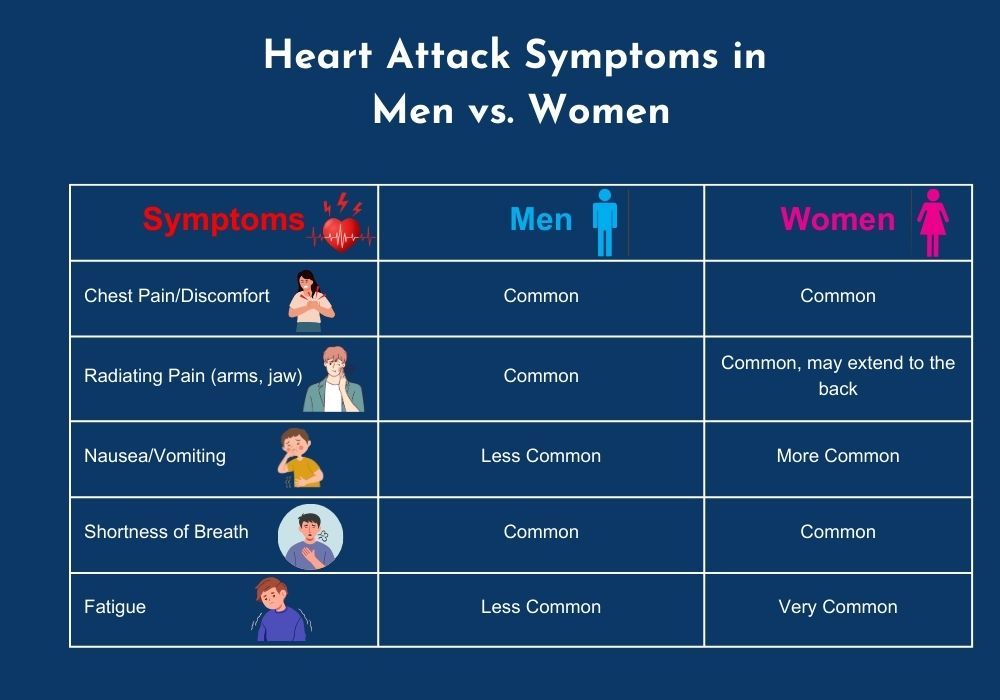
Ongoing Unusual Fatigue
If you start feeling unusually tired after doing simple day-to-day tasks, even when you have rested well, it may show that the heart is working harder to send oxygen-rich blood to the muscles and the rest of the body.
Pain That Spreads To The Arm, Jaw, Neck, Or Back
Discomfort that moves away from the chest may signal that the heart is affected, as nerves can carry pain to other areas.
Swelling In The Legs, Ankles, Or Feet
Persistent swelling often happens when fluid starts collecting in the body due to slow blood circulation, and it is important to get it checked at a trusted heart hospital like Jeena Sikho HiiMS.
Irregular Heartbeat Or Palpitations
Repeated sensations of fluttering, racing, or skipped beats deserve assessment by a qualified heart specialist to rule out rhythm problems.
Frequent Dizziness Or Fainting Spells
If the brain does not receive enough blood, light-headedness or loss of balance can occur and it needs timely attention.
Sudden Cold Sweats, Nausea, Or Intense Indigestion-Like Discomfort
These symptoms sometimes accompany a cardiac event and should not be mistaken for only stomach trouble.
Ayurvedic Approach to Supporting Heart Health
At Jeena Sikho HiiMS, doctors do not rely on tests alone. They also use Ayurvedic knowledge and natural therapies to support people with early heart blockage and related symptoms, while guiding them on diet, supportive treatments, and recovery care.
Getting checked at Jeena Sikho HiiMS, a trusted heart hospital, can help people understand what is actually causing their problem, while doctors also keep an eye on serious heart blockage symptoms. If the tests show narrowing in the arteries or any rhythm issue, the heart specialist will explain the possible treatment options and guide the patient about the next steps and future care.
When Should You Consult a Heart Specialist?
If several of these signs start appearing together, become stronger, or keep returning for days, it is important to get a medical check without delay. A heart specialist can assess the symptoms, advise the necessary tests, and guide the treatment needed to lower the risk. Getting medical help early often stops the condition from developing into serious heart disease and also lowers the chances of needing emergency treatment later.
Conclusion
Early attention to small, repeated changes can prevent a minor problem from becoming a major health crisis later, and learning which signs point to heart disease helps you take control. If you notice chest pressure, breathlessness on simple tasks, unexplained tiredness, spreading pain, swelling, irregular heartbeats, dizziness, or sudden sweating and nausea, arrange a medical review without delay.

Discuss symptoms with a qualified heart specialist who can guide tests and treatment choices. Acting in time can help avoid serious emergencies and can also support better health over the years. At Jeena Sikho HiiMS, the team is always there to listen and help patients when they need it. For help and appointments, call +91 82704-82704 or email care@jeenasikho.com.
FAQs
What should I do if I feel chest pressure during activity?
Seek healthcare review immediately and note when the symptom started, how long it lasted, and what you were doing at the time.
How quickly should shortness of breath be evaluated?
If you begin to feel breathless while doing routine tasks, or the problem keeps increasing over the next few days, especially when it is something new for you, it is wise to get it checked by a doctor.
Are swollen ankles always a heart problem?
Swelling can have many causes, but persistent lower limb swelling merits a medical check to rule out circulation issues.
When do palpitations require urgent care?
If you notice your heart racing or skipping beats again and again, or the feeling lasts longer and comes with fainting, chest pain, or breathlessness, it is best to see a doctor without delay.
Can lifestyle changes really lower heart risk?
Eating balanced meals, keeping the body active, handling stress in a healthy way, and going for regular health checkups can help keep heart problems from getting worse.
Ayurvedic Heart Care Products
100% natural, certified Ayurvedic formulations crafted for targeted heart wellness.



Disclaimer: The information provided on this blog is for general educational and informational purposes only. It is not intended to replace professional medical advice, diagnosis, or treatment. Always consult a qualified healthcare professional before making any changes to your diet, lifestyle, or treatment plan. Individual results may vary.