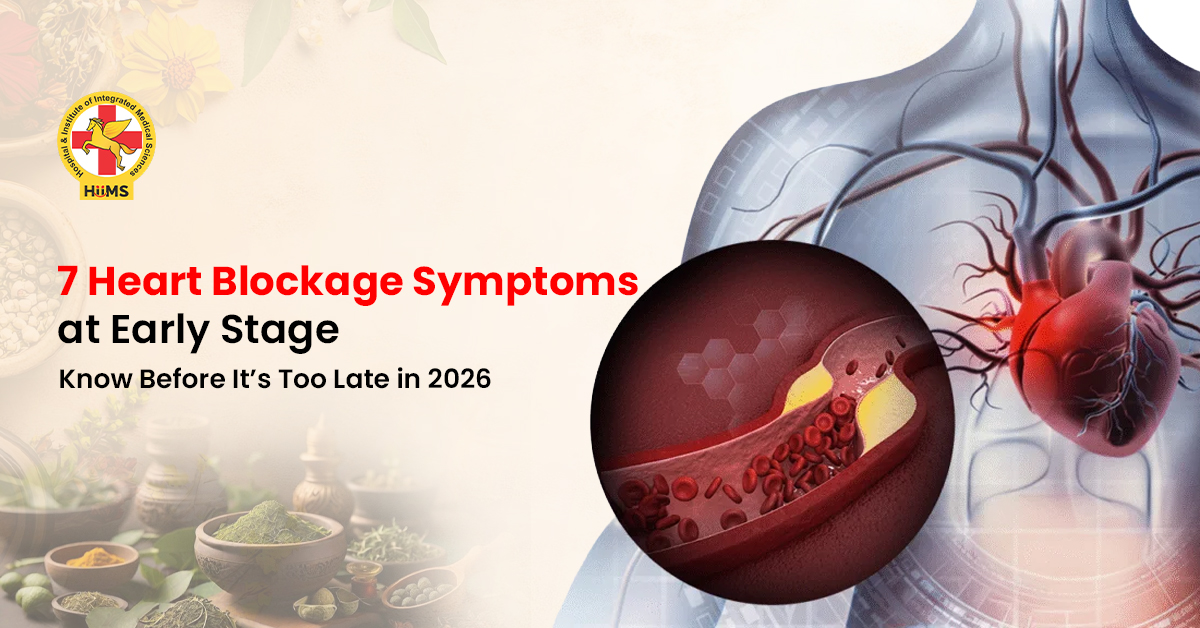

Most people assume heart problems arrive suddenly, but the process that gradually reduces blood flow to the heart generally takes months or years. Every day habits like rising cholesterol, small inflammatory changes, repeated blood pressure spikes, long work hours without rest, and unmanaged sugar slowly narrow blood vessel channels and limit oxygen delivery.
Before an acute emergency occurs, the body usually gives repeatable warnings that many of us mistake for fatigue or simple acidity. Recognising these heart blockage symptoms early gives you a clear advantage because timely evaluation often keeps treatment simple and effective, avoiding rushed heart attack treatment later.
This blog lists seven early signs to watch for, explains why you feel each one, and tells you when to seek help from a qualified heart specialist.
What Is Heart Blockage and Why Does It Happen?
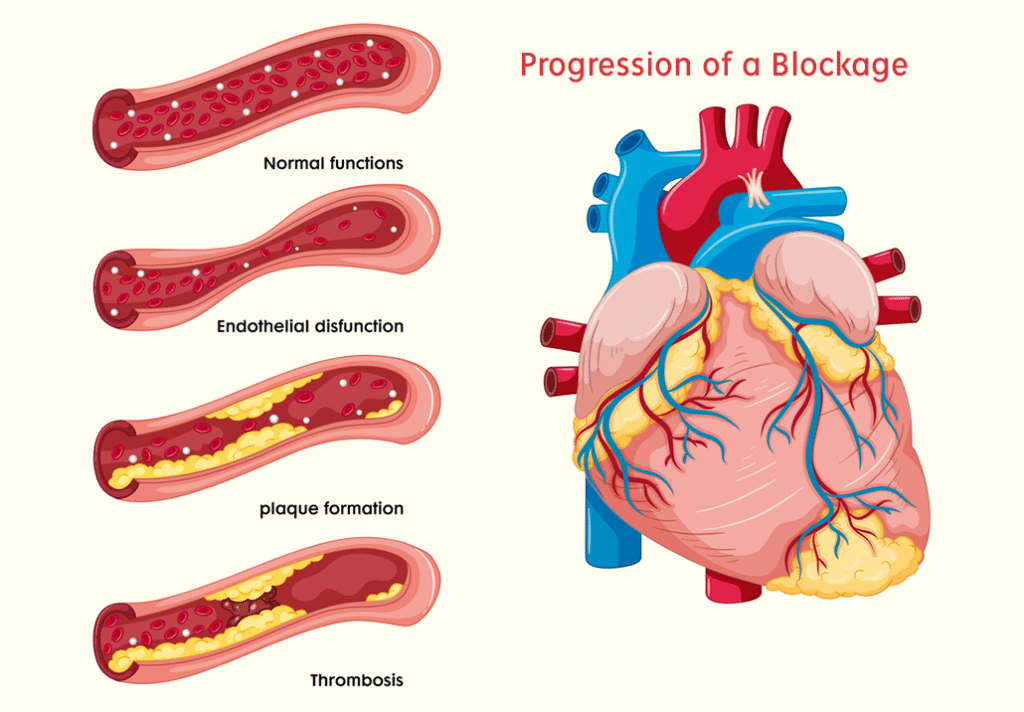
When cholesterol and fat attach to artery walls, the channel to the heart narrows and oxygen supply falls. Over the years, high blood pressure, high blood sugar, smoking, inactivity and chronic stress speed this process. Initially, the heart adjusts but needs more effort, so symptoms appear with some kind of physical activity and then go away. Identifying the pattern early allows simple, reliable checks.
Seven Heart Blockage Symptoms at the Early Stage
1. Chest Discomfort that Feels Heavy or Tight
This often feels like pressure, fullness or a mild burning rather than a sharp pain; it appears with walking, climbing stairs or strong emotion and eases with rest. Repeated occurrences count as a clear heart blockage symptom and need a check-up.
2. Shortness of Breath on Simple Tasks
If everyday tasks leave you unusually breathless but rest brings relief, the heart may be under pressure; this pattern is likely to indicate heart blockage rather than mere deconditioning and should not be ignored when it limits routine activities.
3. Persistent Tiredness
A tiredness that does not match your usual routine and that stays regardless of a good sleep can mean the heart works harder to keep circulation going; that extra effort takes away energy from muscles and the mind.
4. Pain Spreading to Arm, Jaw, Neck or Back
Because the nerves serving the heart connect with nearby areas, reduced blood flow can feel like a dull ache in the left arm, pressure in the jaw, or tightness between the shoulder blades; these symptoms are often mistaken for muscular pain but sometimes signalling deeper trouble at a heart hospital.
5. Cold Sweats or Sudden Unease
Unexpected clammy sweating without heat or activity indicates to a nervous-system reaction to falling circulation; when sweating comes with other warning signs, the risk of needing emergency care rises if you delay.
6. Indigestion-Like Feeling with Activity
Upper stomach pressure, belching or mild nausea that appears during physical activity and eases with rest may mimic acidity but often follows a cardiac pattern; watch the timing and triggers to tell them apart.
7. Dizziness, Palpitations or Light-Headedness
Brief faintness, fluttering, or irregular beats, especially when they come with breathlessness, show that you should get tested without delay; repeated palpitations along with other symptoms need proper attention from a qualified doctor.
Why Early Symptoms Often Get Ignored
Mild, inconsistent signals feel harmless, so people put them up to stress, age or digestion related issues. Because they disappear, many postpone a check-up and allow heart blockage to deepen. Confusing cardiac discomfort with acidity removes urgency. Missing heart blockage symptoms leaves you open to preventable damage.
When Should You Consult a Heart Specialist?
If you notice the same discomfort again and again while doing simple activities, or you feel that it is getting heavier than before, or two or three signs show up together, don’t ignore it. Pay attention to any heart blockage symptoms and speak to your doctor about them as soon as you can. Early testing at a trusted heart hospital widens options, reduces emergency risk, and often allows lifestyle measures to work.
Treatment Methods Used at Jeena Sikho HiiMS
Jeena Sikho HiiMS offers heart care using natural and safe methods to support heart function and ease stress.
The main treatments are:
- Hridaya Basti for chest comfort and blood flow
- Panchakarma for deep cleansing of the body
- Simple yoga and breathing routines
- Nutritious meals suited for heart health
- Advice on daily habits, activity, and rest
- Personalized herbal support
All procedures are done under expert guidance, helping patients feel healthier and more balanced. These steps are done under supervision to ensure comfort and safety. Patients can feel the difference when the body starts responding to gentle care.
Can Heart Blockage Be Prevented in 2026?
Prevention depends on consistent lifestyle decisions. Regular checks after thirty-five, controlling blood pressure and sugar, quitting tobacco, adding a daily fitness routine, and choosing a balanced, whole-food diet. Early detection lets simple measures work effectively and reduces the chance of invasive procedures later.
Conclusion
Spotting heart blockage symptoms early gives you control, the earlier you act the more non-invasive and effective options remain. Do not dismiss repeated chest pressure, unexplained tiredness, breathlessness, or discomfort in other areas as merely aging or acidity; these patterns often point to developing coronary problems. A timely visit to a trusted heart specialist at a competent heart hospital helps clarify causes, starts simple treatment, and reduces the chance of needing rushed any kind of heart-related treatment like heart attack treatment later.
If you notice repeating signs or want a preventive check, you can contact Jeena Sikho HiiMS by calling +91 82704-82704 or emailing care@jeenasikho.com for an appointment and guidance. We are here to help.
FAQs
How quickly do early symptoms progress?
Progress varies between individuals; for some the signs develop slowly over months, while for others changes can accelerate over weeks.
Which test is usually done first?
A hospital visit typically starts with an ECG and blood pressure check, followed by an exercise test or scans when needed.
Can lifestyle changes reverse early blockage?
Lifestyle shifts can halt progression and often improve symptoms, especially when combined with health guidance.
Is medication always necessary when early signs appear?
Medication depends on test results and risk factors; doctors balance medication with lifestyle steps personalised to each person.
When should emergency help be called?
Call emergency services if chest pressure becomes severe, breathing is suddenly hard, or fainting and heavy sweating occur.
Ayurvedic Heart Care Products
100% natural, certified Ayurvedic formulations crafted for targeted heart wellness.



Disclaimer: The information provided on this blog is for general educational and informational purposes only. It is not intended to replace professional medical advice, diagnosis, or treatment. Always consult a qualified healthcare professional before making any changes to your diet, lifestyle, or treatment plan. Individual results may vary.