
Nearly one in five people face some form of skin cancer in their lifetime, yet so many of them never realize the small hints their body gives until the problem becomes hard to ignore. It’s not always painful, sometimes not even uncomfortable, but those tiny signs-the ones you barely notice-can be the first signal that something needs attention. And honestly, spotting it early might save a lot of trouble later.
Skin cancer symptoms are tricky because they often appear slowly, quietly, almost like your skin is whispering something’s wrong and you might not notice at first. You might see a little bump, a mole that looks a bit odd, or a spot that itches once in a while-and you shrug it off thinking, “It’s nothing.” But the truth is, skin cancer affects millions worldwide every year, and early detection can make a big difference.
Common Symptoms of Skin Cancer
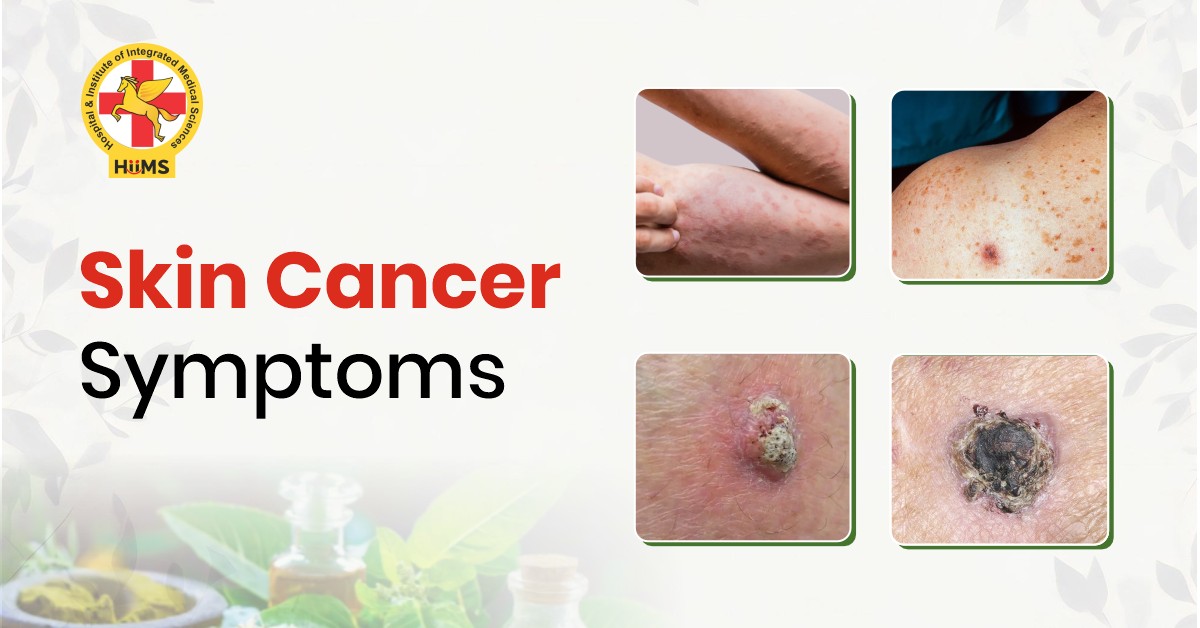
Knowing skin cancer signs is the first step toward early detection. You might notice a few things on your skin that seem… off:
- New bumps or lumps – Sometimes a little bump pops up where there wasn’t one before. It might look shiny, raised, or have a color that doesn’t seem right. Just keep an eye on it.
- Moles that change – If a mole starts acting differently—growing bigger, changing shape, getting darker or lighter, or even itching or bleeding—it’s a sign to get it checked.
- Cuts or sores that stick around – Little scratches or spots that just won’t heal after weeks can be a warning. Don’t ignore them.
- Red or swollen patches – Skin that stays red, puffy, or tender for longer than normal isn’t something to brush off.
- Pain, tenderness, or itching – Even a small ache or persistent itch in one area can be important.
Causes and Risk Factors of Skin Cancer
Sometimes, symptoms of skin cancer don’t happen all at once-it sneaks up slowly, and a lot of it has to do with how we live and our family history. Here are some things that make it more likely:
- Too much sun exposure – Those long hours outside without sunscreen or a hat? They quietly add up over the years.
- Fair skin or light hair – People with lighter skin might notice changes sooner, though anyone can get skin cancer.
- Family history – If someone in your family had skin cancer, even a distant relative, your risk nudges a bit higher.
- Frequent sunburns – Those bad sunburns, even if only a few in your life, can leave a lasting effect on the skin.
- Weak immunity – Illnesses or medicines that lower your immune system can make the skin more vulnerable to problems.
Skin Cancer Signs You Should Watch
Some of the skin cancer signs are sneaky and easy to miss. They creep in slowly, so it helps to know what to look for:
- Shiny or waxy bumps – Often pale, usually appear on the face, ears, or neck.
- Moles that change – If a dark spot grows, changes color, or starts looking uneven, it’s a good idea to have it checked.
- Red or scaly patches – Rough or flaky areas that don’t seem to heal or slowly get bigger should not be ignored.
- Sores that won’t heal – Even small cuts or scratches that hang around for weeks should be looked at by a doctor.
- Itching, tenderness, or slight bleeding – Subtle changes that feel “off” even if they aren’t painful at first should not be ignored.
Why Early Detection Matters
Catching skin cancer signs early isn’t about panicking; it’s about taking action when the changes are subtle. Early skin cancer treatment is easier, recovery is faster, and the procedures required are usually less invasive. Many people wait too long because they think, “It’s probably nothing,” but that’s the risky part. A mole that seems harmless today can develop into something more serious over months, and early intervention can really make a difference.
How to Check Your Skin at Home
A simple routine can help you notice skin cancer symptoms before they grow. Use a mirror and good lighting once a month. Check your whole body: arms, legs, back, neck, and even your scalp if possible. Look for new spots, color changes in moles, or sores that haven’t healed. This doesn’t have to be stressful—it can be just a few minutes of paying attention to your body.
Extra Care by Our Doctors
At Jeena Sikho HiiMS, our doctors don’t just focus on skin issues. Alongside skin cancer treatment, they specialize in managing other critical conditions including cancer in general, liver problems, heart issues, infertility, jaundice, and more. Patients get guidance that considers the body as a whole, which is really important because health issues often connect in ways we don’t notice.
Conclusion
Sometimes skin cancer symptoms creep up slowly, and you barely notice them at first. It could be a tiny bump, a mole that looks a little different, a sore that refuses to heal, or redness that just won’t go away. Paying attention to these small changes can actually make a big difference later on. Doing a quick check of your skin now and then, using sunscreen when out in the sun, and talking to a doctor if something seems off-all of that adds up. It might seem like a small thing, but it can really protect your health in ways you wouldn’t expect until later.
If you spot anything unusual-maybe a new mole, a changing spot, or any of the skin cancer signs-don’t wait. At Jeena Sikho HiiMS, our doctors carefully examine your skin, guide you on the right steps, and help catch problems early before they get serious. Call us today and take that first step to keeping your skin safe and healthy.

FAQs
Q1: How can I tell if a mole is risky?
Any mole that grows, changes color, or starts bleeding should be checked by a doctor as soon as possible.
Q2: Can people with darker skin get skin cancer?
Absolutely, anyone can get skin cancer. It may be easier to notice on lighter skin, but people with darker skin should still watch out for unusual spots or changes-they matter just as much.
Q3: Should I worry about sores that take a long time to heal?
If a cut, scratch, or sore refuses to heal after a few weeks, it’s worth showing a doctor.
Q4: How often should I check my skin?
Try to take a little time each month to look over your skin. Notice any moles, freckles, or spots that seem different than usual—it only takes a few minutes.
Q5: Can small color changes in the skin be a warning sign?
Even tiny changes in color, especially in moles or spots you already have, can mean something is happening.