
Type 2 diabetes doesn’t arrive suddenly. It slips in quietly through long days of sitting, skipped meals, endless stress, and a routine that slowly loses its balance. Most people don’t even notice the early signs. A little tiredness, a sugar craving that feels too strong, a foggy mind in the afternoon. We blame work, sleep, or just a busy week, but the body usually warns us long before the diagnosis shows up.
Understanding type 2 diabetes early gives you something important, i.e., control to prevent complications, to make small corrections, and to stop the condition from taking over your everyday life. And when you recognize what’s happening inside the body, even tiny lifestyle adjustments can begin shifting things back toward normal.
This blog is designed to guide you clearly and calmly. We’ll explore what causes type 2 diabetes, the subtle symptoms many people miss, how type 2 diabetes treatment works, and the natural habits that support long-term stability. No heavy medical words, just a simple, human explanation of a condition that’s becoming very common, yet still very manageable when caught early and treated wisely.
What Causes Type 2 Diabetes?
When the body stops responding to insulin properly, sugar stays in the bloodstream instead of entering the cells for energy. This is the core problem. But why does this happen?
Some common reasons behind what causes type 2 diabetes include:
- Insulin resistance (cells don’t respond to insulin)
- Family history of diabetes
- Being overweight or having belly fat
- Eating too many refined or sugary foods
- Sedentary lifestyle or long sitting hours
- High stress and irregular sleep
- Hormonal imbalance
- Frequent overeating or late-night meals
Most people don’t have just one reason; usually, it’s a combination quietly building over the years.
Early Type 2 Diabetes Symptoms You Should Notice
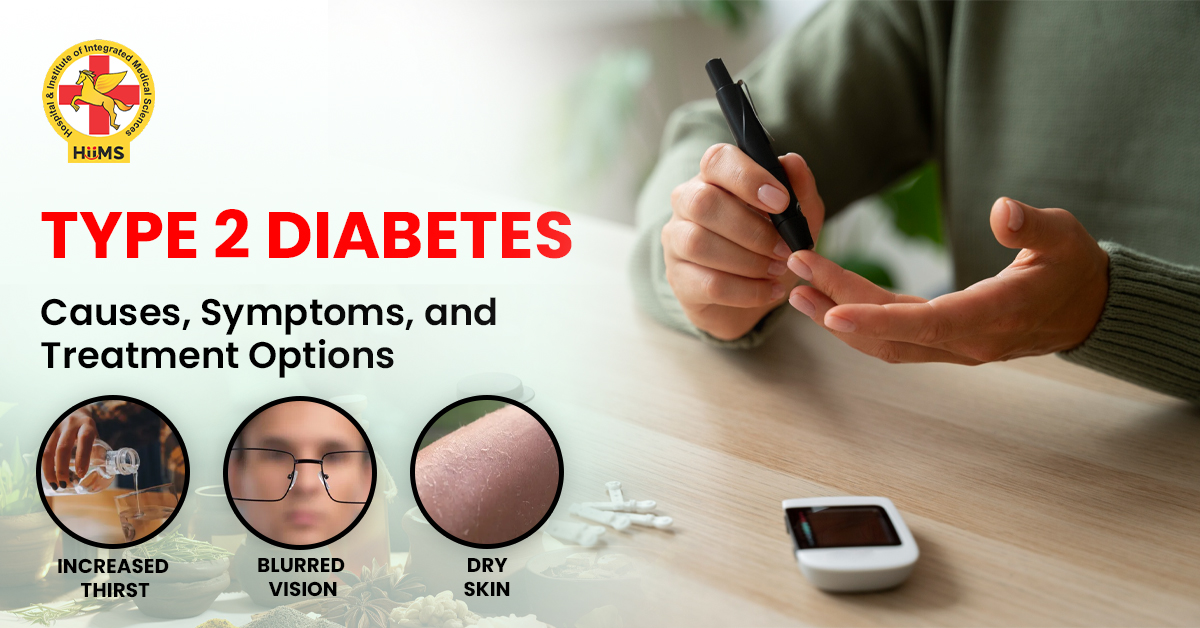
Type 2 diabetes symptoms start gently. They can be confusing because they look like normal day-to-day fatigue.
Watch out for:
- Frequent urination
- Feeling thirsty all the time
- Tiredness or low energy
- Slow healing of cuts or wounds
- Numbness in hands or feet
- Sudden weight gain or loss
- Blurry vision
- Feeling hungry even after eating
If these signs keep showing up, it’s your cue to get tested. Early testing brings early control.
Why Type 2 Diabetes Needs Early Attention
Type 2 diabetes works slowly but steadily. If ignored, high sugar starts damaging nerves, kidneys, eyes, and even the heart. But when caught early, the condition becomes much easier to manage.
Small steps → better sugar control → fewer complications → more energy
That’s the whole formula
Type 2 Diabetes Treatment
Ayurvedic Therapies & Panchakarma Support
At Jeena Sikho HiiMS, the natural approach plays a central role in managing type 2 diabetes. Panchakarma is one of the strongest healing systems used alongside type 2 diabetes treatment that focuses on cleansing the body, improving digestion, and refreshing the metabolic pathways that often slow down whenever diabetes develops. It doesn’t work like a quick fix; it works like a slow reset, helping the body remember how to function more naturally.
The five classical Panchakarma steps include:
- Vamana—supports the release of stored Kapha and digestive toxins
- Virechana – assists liver and intestinal cleansing, improving metabolism
- Nasya—clears the head region and sinus channels for better hormonal balance and circulation
- Basti—strengthens the colon and supports the overall metabolic system
- Raktamokshana—helps balance the blood and improve microcirculation
Along with these therapies, warm oil massages, herbal steam, and gentle preparatory treatments are included. These therapies relax the muscles, improve the circulation, calm the mind, and prepare the body to respond better to herbs, food corrections, and lifestyle changes as well. When combined with personalized herbal remedies, Panchakarma becomes a strong support system for maintaining stable sugar levels and restoring a steady internal rhythm.
Herbal Support For The Sugar Balance
Jeena Sikho HiiMS uses a range of traditional herbs that are very effective on sugar metabolism and digestion. These herbs are selected after understanding the individual’s body type and their current imbalance.
Common herbs include:
- Neem & Karela— they help regulate natural sugar absorption.
- Methi & Gurmar— they are known for improving insulin sensitivity and reducing cravings.
- Amla, Triphala, Turmeric— support digestion, reduce inflammation, and strengthen immunity.
- Giloy & Vijaysar—It helps to stabilize the metabolic activity and improve the overall vitality.
These herbs are usually provided in the form of either a kadha or powders, always under expert supervision. The idea is not to overload the body with too many medicines but to encourage gentle, sustainable progress.
Diet & Daily Routine Guidance
At Jeena Sikho HiiMS, diet is treated as the first medicine. The meals prescribed are simple, grounding, and designed to stabilize sugar without putting pressure on the digestive system.
Recommended foods: fresh vegetables, whole grains, seasonal fruits in small portions, salads, sprouts, millets, turmeric, cumin, and fenugreek.
Foods to avoid: refined sugar, deep-fried or oily meals, heavy dinners, cold drinks, packaged juices, and excessive dairy.
Eating at fixed times is one of the strongest pillars of the program. A steady routine helps reduce insulin spikes, supports better digestion, and gives the pancreas a little more breathing space. Over time, these small daily habits make a big difference in managing type 2 diabetes naturally.
Type 2 Diabetes Diet: Simple Rules That Make a Big Difference
- Eat at the same time daily
- Keep dinner light and early (before 7:30 pm)
- Avoid overeating
- Add fibre to every meal
- Drink warm water instead of cold water
- Keep a 12-hour gap between dinner and breakfast
Lifestyle Changes That Support Healing
These tiny habits often get overlooked, but they are powerful:
- Sleep before 10:30 pm—late nights raise sugar levels
- Keep stress low with deep breathing
- Avoid lying down immediately after meals
- Stay hydrated through the day
- Maintain a healthy weight
None of these is difficult alone; the magic lies in consistency.
Conclusion
Type 2 diabetes isn’t the end of freedom; it’s a call to reorganize life a little. With the right type 2 diabetes treatment, a balanced diet, steady movement, good sleep, and mindful habits, your body starts responding better. Sugar becomes stable, energy returns, and life feels lighter. It’s not about perfection, but it’s about small, steady improvements every single day. Connect with Jeena Sikho HIIMS doctors for a personalized consultation. You can reach them at +918270482704 or email at care@jeenasikho.com
FAQs
What are the commonly seen early symptoms of type 2 diabetes?
Early symptoms include frequent urination, thirst, tiredness, blurry vision, and slow wound healing.
What causes type 2 diabetes?
Insulin resistance, genetics, unhealthy diet, stress, lack of movement, and irregular routines.
What is a good type 2 diabetes diet?
Whole foods, millets, and vegetables, and avoiding sugar, maida, cold drinks, and heavy meals.
Can type 2 diabetes be controlled naturally?
Type 2 diabetes can be controlled through herbs, routine discipline, diet correction, and regular monitoring.
How often should the sugar be checked?
Every few weeks or as advised by your doctor, HbA1c every 3 months.