

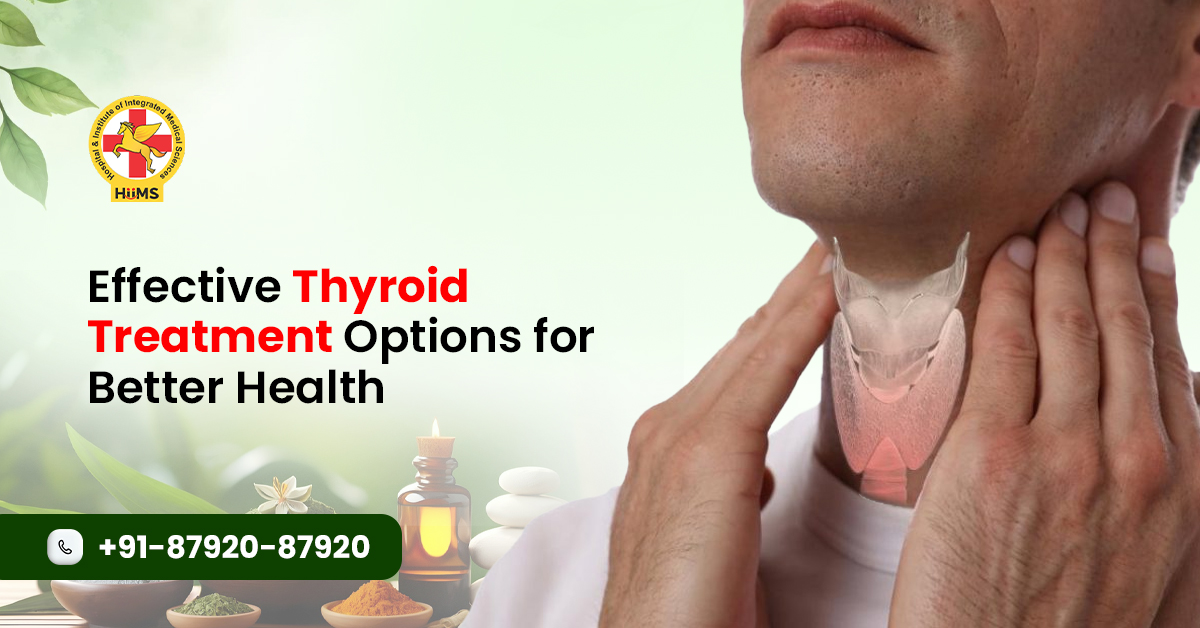
The thyroid may be small, but it has a strong influence on how your body works daily. It affects energy, digestion, mood, metabolism, and hormones. When it becomes weak, symptoms appear slowly, and many people don’t notice them early. Many people live with fatigue, weight changes, hair fall, sleep disturbance, or menstrual irregularities without realizing that the thyroid may be involved. The purpose of this blog is to explain thyroid treatment options in a simple and practical way so readers can understand what choices are available and how proper guidance can improve long-term health.
These days, thyroid treatment looks beyond symptoms and works on lifestyle, diet, stress, and metabolism. With the right approach and timely support from a qualified thyroid specialist doctor, many people are able to manage thyroid disorders effectively and improve their overall quality of life.
Understanding Thyroid Imbalance and Its Common Symptoms
Thyroid issues can show different symptoms based on how active the gland is. Some common signs are feeling tired all the time, weight changes without reason, hair loss, rough skin, mood shifts, sleep problems, and discomfort in hot or cold weather.
Some females also notice irregular periods, swelling in the neck area, a fast or slow heartbeat, and poor concentration. Because these symptoms develop gradually, they are often overlooked until tested.
Causes of Thyroid in Female Patients
Thyroid issues are more commonly seen in women due to hormonal sensitivity and immune triggers. Common contributing factors include:
- Autoimmune reactions.
- Pregnancy and postpartum changes.
- Menopause transition.
- Chronic stress.
- Nutrient deficiencies.
- Family history.
- Irregular lifestyle patterns.
Early detection helps to prevent progression, and understanding the causes of thyroid in females allows for management before the problem worsens.
Integrative Thyroid Treatment Approach
Some centers, such as Jeena Sikho HiiMS, follow a structured, natural-supportive care model alongside medical supervision. The focus is not only on lab correction but also on improving internal balance.
This type of thyroid treatment plan may include:
- Detox support to improve metabolism
Holistic care usually starts with mild detox therapies that help clear waste and improve body balance. Panchakarma is commonly used as it focuses on correcting internal systems, not just temporary relief. - Gut and digestion correction
Supporting digestion helps improve nutrient absorption, metabolism, and hormone balance. Simple steps like regular meals, fresh foods, and reducing processed items can strengthen gut function. Many structured thyroid treatment plans include digestive correction to improve overall results. - Herbal formulations for gland support
Thyroid herbal support is chosen as per individual needs. Herbs like ashwagandha, guggul, triphala, kanchanar, and brahmi are often used to manage stress, digestion, metabolism, and gland health. At Jeena Sikho HiiMS, these are given step by step under expert guidance so the body can adjust properly. - Anti-inflammatory dietary planning
This approach focuses on fresh, minimally processed foods, good proteins, vegetables, and healthy fats while limiting sugar, fried, and packaged items. Such eating patterns help lower internal inflammation and support a better response to thyroid treatment. - Stress and sleep regulation practices
Managing daily stress and maintaining proper sleep are important for hormone balance. Simple practices like fixed sleep timings, reduced screen use at night, breathing exercises, and light relaxation routines help calm the nervous system and support better thyroid treatment outcomes. - Yoga and breathing guidance
Doing light yoga and simple breathing every day helps the body relax and keeps blood flow better. It also reduces stress and supports hormone balance. Over time, this makes thyroid treatment work better. - Personalized monitoring instead of a one-plan-fits-all method
Each person’s thyroid condition is unique, so improvement is monitored using their symptoms, routine, and medical reports. Treatment is changed over time based on how the body responds, instead of giving the same plan to everyone. This helps get safer and steadier results. Progress is checked regularly to see what’s actually working.
The goal is to support the body’s regulatory systems while tracking measurable progress.
When to Consult a Thyroid Doctor
Don’t keep waiting if your symptoms last too long or start getting worse. Visiting a doctor early and getting tests done can really help.
See a doctor if you notice:
- Constant fatigue without a clear reason.
- Sudden weight gain or weight loss.
- Ongoing hair fall or dry skin.
- Irregular periods or fertility concerns.
- Fast or slow heartbeat.
- Anxiety, mood swings, or sleep problems.
- Sensitivity to cold or heat.
- Swelling or tightness in the neck area.
- Family history of thyroid disorders.
Conclusion
Thyroid disorders can be managed well when treatment is timely, guided, and consistent. A balanced plan that combines medical supervision, lifestyle correction, and natural support often brings better long-term results. Always consult a qualified thyroid specialist before making treatment changes. If you are looking for natural thyroid treatment guidance and structured thyroid care, feel free to contact the Jeena Sikho HiiMS care team at care@jeenasikho.com or +91 87920-87920 for support and consultation.

FAQs
1. What does thyroid treatment involve?
The main aim is to bring hormone levels back to normal using medication, proper diet, and daily routine changes.
2. When should I see a thyroid doctor?
If you have fatigue, weight changes, hair loss, or irregular periods.
3. Do women face thyroid problems more often?
Due to frequent hormone changes and immune system imbalance, women are more likely to develop thyroid issues.
4. Is thyroid disease curable?
Some types are reversible; many are manageable long-term.
5. How often do you test thyroid levels?
Usually every 3–6 months or as advised.