
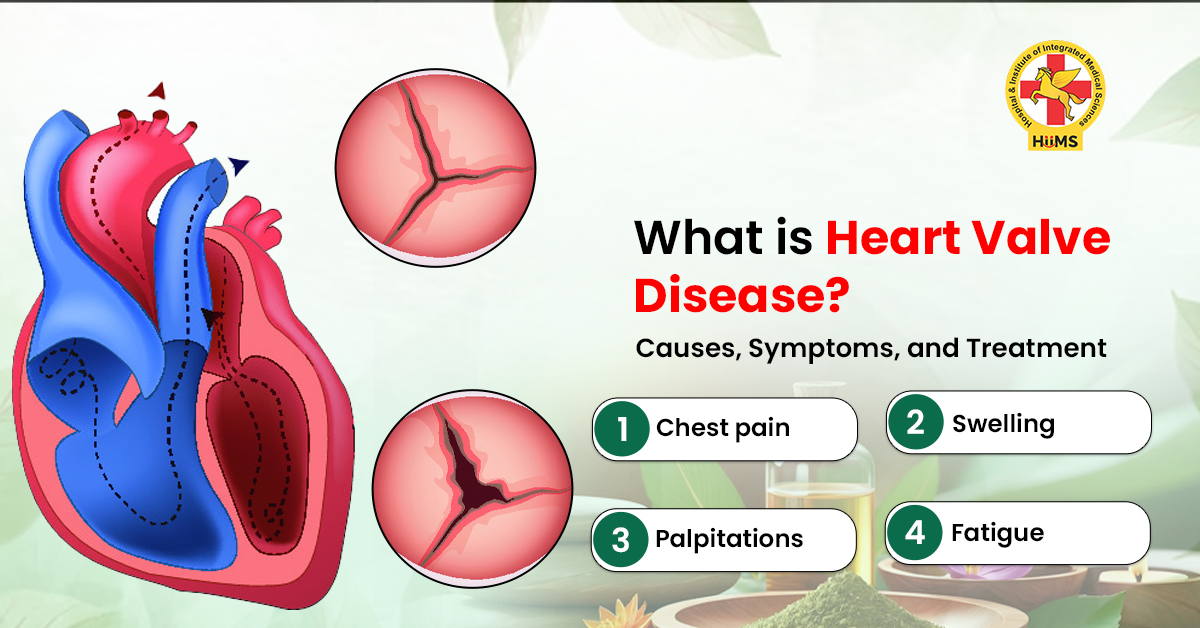
Even when you’re resting or sleeping, your heart doesn’t really take a break. Blood keeps travelling through the body all the time, carrying air and energy to every part. Inside the heart, tiny moving flaps called valves control this flow so it goes in the right direction and does not slip back. They work like simple gates, opening to let blood move ahead and closing again to stop it from going the wrong way. Because of this steady movement, the heart is able to keep blood flowing in a smooth and natural rhythm. When these valves do not open or shut the way they should, the heart has to push harder. Sometimes blood leaks in the wrong direction, and sometimes it does not move forward easily. Slowly, this extra strain starts affecting the whole body. This condition is referred to as heart valve disease. Many people do not notice it at first. They may feel tired more often, get short of breath, or feel a little heaviness in the chest. Most of the time, they blame age, stress, or weakness. But these are often early signs of heart disease. Knowing what is happening inside the heart helps people take action before the problem becomes serious. This guide explains what heart disease is, how valve problems begin, how they show up in daily life, and how they are usually treated.
What Is Heart Disease and Valvular Heart Disease?
Heart disease is a broad term used for problems that affect how well the heart pumps blood. When the flow of blood is disturbed, the body does not get enough oxygen and energy. That is why people may feel weak, breathless, or uncomfortable without any clear reason.
One important type is valvular heart disease. In this condition, one or more heart valves do not function properly. The heart contains four valves:
- Aortic,
- Mitral,
- Tricuspid,
- Pulmonary.
Their job is to keep blood flowing in the proper direction within the heart. From an Ayurvedic point of view, this kind of problem is often linked to weak digestion, uneven circulation, and disturbed body balance. Over time, this starts putting pressure on the heart and its valves. When a valve turns stiff or begins to leak, the heart has to push harder than normal. That is when people start feeling tired, notice swelling, or find it hard to breathe. With the right food, simple daily habits, and early attention, the heart can stay steadier.
Why Heart Valve Problems Happen
Heart valve disease can develop for different reasons. They causes may include:
- Congenital defects: Some people are born with valves that are not shaped normally. What works fine in childhood doesn’t always stay that way as you grow older.
- Infections: Illnesses such as rheumatic fever or infections of the heart lining can damage the valves and make them weak or scarred.
- Age-related changes: As people grow older, heart valves can become thicker or harder. This makes it difficult for them to open and close smoothly.
- Other health conditions: High blood pressure, blocked arteries, and other heart problems can place extra pressure on the valves and slowly affect their function.
Signs of Heart Valve Disease
Knowing the signs of heart disease helps people seek help on time. Valve problems often show up in small ways at first, such as:
- Feeling short of breath while walking or doing light work
- Being tired most of the day
- Swelling in the feet, ankles, or legs
- A heavy or tight feeling in the chest
- A fast or uneven heartbeat
If these signs continue to appear, they should not be ignored.
How Doctors Find Heart Valve Disease
Doctors usually begin by asking about symptoms and listening to the heart with a stethoscope. An unusual sound in the heartbeat, known as a murmur, can be a sign that something is off with a valve. To be sure, doctors run a few tests and scans to see how the valves open and how blood moves through the heart. These results help doctors understand how serious the problem is and what kind of care is needed.
Treatment Options at Jeena Sikho HiiMS Hospital
At Jeena Sikho HiiMS Hospital, treatment for heart valve problems depends on the level of damage and how much it affects daily activities. Many patients are supported with medicines for blood pressure, heart rhythm, and swelling. In tougher cases, doctors look at the further tests to decide if valve repair or replacement is needed.
Along with this, strong attention is given to daily habits. Patients are guided to follow simple heart-friendly food, gentle physical activity, stress management, and a steady routine. By following these steps, the heart does not have to struggle as much, and blood flows better. And even when valve issues are there, routine check-ups and good daily habits go a long way in protecting the heart.
Conclusion
Heart valve diseases often go unnoticed in the beginning, yet they keep affecting the heart little by little. When you catch the signs early, it becomes easier to stop things from getting more serious. If you often feel tired, breathless, or uneasy in the chest, it is better to get checked in time. For natural, guided heart care, connect with Jeena Sikho HiiMS at +91 93136-66680 or email care@jeenasikho.com to take the next step.

FAQs
1. What is heart valve disease?
This happens when one or more heart valves stop doing their job correctly.
2. Is valvular heart disease dangerous?
It can become serious if ignored, but early care helps keep it under control.
3. What are common signs of heart disease related to valves?
Breathlessness, tiredness, swelling in the legs, chest discomfort, and irregular heartbeat.
4. Can heart valve disease be managed without surgery?
In mild cases, it is often handled with medicines and lifestyle changes.
5. Is daily routine important for heart valve disease?
It plays a big role. When food, activity, and stress are kept in balance, the heart does not have to struggle as much.