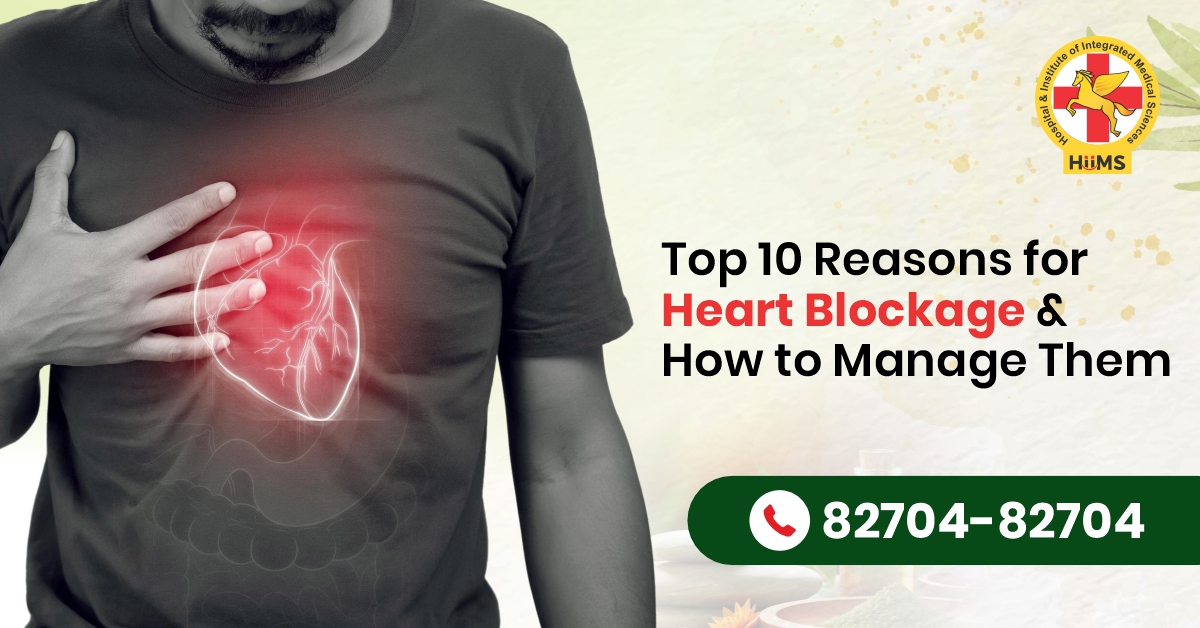

The heart works without asking for breaks, sending blood so every organ and tissue can do its job properly, and when the tiny coronary passages that feed the heart begin to narrow, we call that condition a heart blockage. In recent years, doctors have begun to see more people in their thirties and forties who carry daily patterns that tilt the body toward this problem, maybe because of skipped or late meals, long sitting hours, rushed & processed foods, and constant mental pressure that keeps stress hormones high.
These habits slowly change how the body handles fats, sugars and blood pressure, and the inner walls of arteries respond by collecting fatty layers and scar-like tissue. People often notice small, odd signals such as slight breathlessness on a stair, unexplained tiredness, or a mild pressure across the chest and move on with their day.
This blog explains, in simple language, the main reasons behind heart blockage, the typical heart blockage symptoms to watch for, and clear, practical steps you can take day by day to manage and protect your heart.
Understanding Heart Blockage in Simple Terms
When plaque (fatty deposits and other waste) builds up inside the coronary arteries, those arteries become narrower and stiffer. The heart then receives less oxygenated blood and must work harder.
How Blockage Forms Inside Heart Arteries
A healthy artery has a smooth inner lining. Repeated injury from high blood pressure, high sugar, smoking or inflammation causes spots where plaques can form. Over time, these spots grow and stiffen the vessels.
Why Reduced Blood Flow Affects Heart Function
Less blood means less oxygen to the heart muscle. During workouts or extreme physical activity the heart signals that it needs more blood, and when that supply cannot rise quickly enough, symptoms appear and the risk of a severe event grows.
Top 10 Reasons for Heart Blockage
- High Cholesterol Levels: Raised LDL (bad) cholesterol frequently begins the plaque process that narrows arteries.
- High Blood Pressure: Sustained pressure damages the inner arterial lining and accelerates plaque formation.
- Diabetes and High Blood Sugar: Uncontrolled sugars injure blood vessels and promote inflammation that helps plaques grow.
- Smoking and Tobacco Use: Tobacco chemicals weaken the artery wall and make clots more likely.
- Sedentary Lifestyle: Long periods of inactivity reduce circulation and affect how the body handles fats and sugar.
- Poor Dietary Habits: Regular fried foods, processed snacks, and refined sugar encourage fat buildup in arteries.
- Chronic Stress and Mental Pressure: Persistent stress raises blood pressure, disrupts sleep, and changes metabolic balance.
- Obesity and Excess Body Weight: Extra weight raises strain on the heart, increases cholesterol, and worsens blood pressure.
- Excessive Alcohol Consumption: Frequent heavy drinking can increase triglycerides and disturb blood pressure control.
- Family History and Genetic Factors: Inherited tendencies sometimes make plaque form earlier or more aggressively.
How to Manage Heart Blockage Naturally
- Improving Daily Food Habits: Choose fresh, whole foods, vegetables, fruits, whole grains, legumes and lean proteins. Reduce fried and processed items that raise LDL cholesterol.
- Staying Physically Active: Try for a daily walk or light exercise that you can maintain; constant movement improves circulation and helps regulate blood pressure.
- Managing Stress for Better Heart Health: Simple breath work, short meditative pauses, or consistent gentle yoga help lower the background stress that pushes blood pressure up.
- Maintaining Healthy Weight: Gradual, realistic weight changes through food and movement reduce the metabolic strain that fuels plaque growth.
Ayurvedic Approach for Heart Blockage Management
Some people find complementary benefit from natural treatment approaches when used under healthcare supervision at a trusted Heart hospital.
- Hridaya Basti Therapy: Warm medicated oil applied to the chest area aims to calm the nervous system and support local circulation.
- Panchakarma Detoxification: These cleansing therapies aim to reduce deep-seated metabolic toxins and restore digestive balance.
- Herbal Support for Heart Health: Medicinal herbs such as Arjuna and Amla have long histories of use to support heart tone and cholesterol management when guided by an expert.
Simple Daily Habits That Help Protect the Heart
Eat meals on time so digestion stays steady, get proper sleep so the body can repair itself, avoid tobacco and limit alcohol, and schedule regular check-ups with a heart specialist who checks blood pressure, lipids, and sugar before problems become advanced.
When to Seek Medical Help for Heart Blockage
If you notice recurring chest pressure, breathlessness on light exertion, unusual fatigue, sudden sweating with discomfort, or pain that travels to the jaw or arm, these are important heart blockage symptoms that require timely medical assessment. A qualified Heart specialist within a good Heart hospital like Jeena Sikho HiiMS can request tests and suggest options ranging from lifestyle care to procedures when needed.
Conclusion
Most cases of heart blockage grow from everyday choices and steady internal changes such as high cholesterol, high blood pressure, smoking, poor diet, stress and inactivity, often combined with inherited risk. Recognising the common causes and the early heart blockage symptoms gives you a chance to act, and gradual change usually brings measurable benefit.

Combining careful health checks with sensible daily habits, specific herbal support when appropriate, and clear guidance from a heart specialist helps reduce risk and supports recovery. If you would like a proper evaluation and guidance, you can connect with the team at Jeena Sikho HiiMS on +91-82704-82704 or write to care@jeenasikho.com to book a consultation and discuss the next steps for your heart care.
FAQs
What are the first signs I should watch for?
Mild chest pressure with activity, shortness of breath that did not exist before, and unusual fatigue during regular tasks commonly appear as early signals.
Can a Heart specialist detect blockage early?
A specialist looks at history, lifestyle, and tests to assess risk and detect narrowing early.
Do diet changes really help reverse narrowing?
Improving food quality and reducing unhealthy fats and sugar often stabilise plaques and lower risk over time with consistent effort.
When does someone need heart attack treatment?
Severe pain, sudden breathlessness or collapse suggest urgent intervention and call for immediate medical attention.
How often should I visit a Heart hospital for check-ups?
Routine checks once or twice a year suit many people, with more frequent follow-up if you have existing risk factors.
Ayurvedic Heart Care Products
100% natural, certified Ayurvedic formulations crafted for targeted heart wellness.



Disclaimer: The information provided on this blog is for general educational and informational purposes only. It is not intended to replace professional medical advice, diagnosis, or treatment. Always consult a qualified healthcare professional before making any changes to your diet, lifestyle, or treatment plan. Individual results may vary.