
High blood pressure, also called hypertension, is one of the most common health concerns today. Many people live with it for years without realising it because the signs may not always be obvious in the beginning. Doctors usually classify hypertension in stages so that treatment and lifestyle advice can be planned more carefully. Different medical organisations follow slightly different systems. For example, the American College of Cardiology describes four levels of blood pressure, while the National Institute for Health and Care Excellence (NICE) in the UK uses three stages.
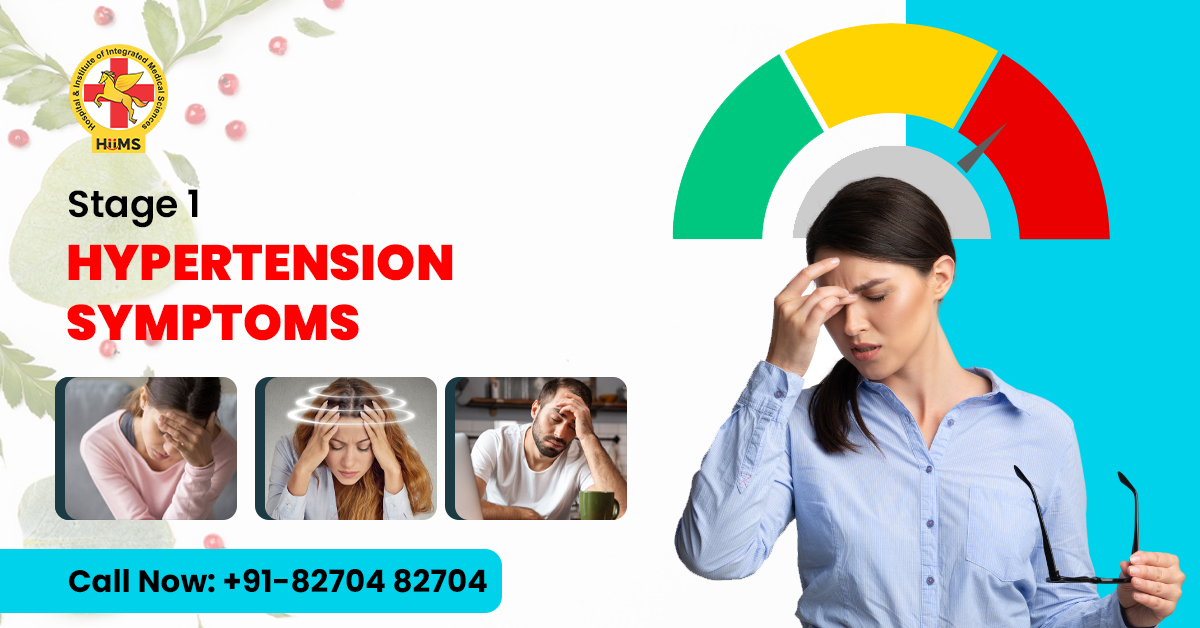
One stage that often gets overlooked is the early phase. Understanding stage 1 hypertension symptoms becomes important because this stage can still be controlled with proper attention to lifestyle and health habits. At this point, many people begin noticing mild changes in the body, though sometimes these changes are ignored. Paying attention to symptoms of hypertension at this early stage helps people take timely action and prevent complications in the future.
This guide explains how first-stage hypertension symptoms may appear, why they develop, and what practical steps can help maintain better blood pressure control.
Table of Contents
Understanding Stage 1 High Blood Pressure
Blood pressure refers to the force with which blood flows through the arteries. It is measured using a device called a sphygmomanometer, where a cuff is placed around the upper arm. The cuff inflates and then slowly releases pressure while a monitor records the readings.
Your reading is written in millimetres of mercury (mmHg) and shows two numbers separated by a slash, such as 120/80 mmHg.
- Systolic pressure: This is the first number. It shows the pressure when the heart beats and pushes blood through the body.
- Diastolic pressure: This is the second number. It represents the pressure when the heart relaxes between beats.
In general, stage 1 high blood pressure symptoms may begin appearing when blood pressure readings remain around 130-139 mmHg systolic or 80–89 mmHg diastolic. At this stage, doctors often suggest lifestyle improvements first. Medicines may or may not be required depending on overall health risks.
Common Symptoms People Notice in Early Hypertension
Many individuals do not immediately recognise stage 1 hypertension symptoms, because the changes are usually mild and gradual. However, the body sometimes gives small signals. These signals should not be ignored, especially if they appear repeatedly.
1. Mild Headaches
Some people notice headaches more frequently, particularly in the morning. You may feel a kind of pressure around your head instead of a sharp pain. It happens because a slightly higher blood pressure can change the blood flow in your brain. Most of the time, these headaches are mild, so people often think it is just stress. But if headaches become regular, it is better to check blood pressure once.
2. Light Dizziness
Occasional dizziness can also appear among first-stage hypertension symptoms. A person may feel slightly unsteady when standing up quickly or while walking for longer periods. This occurs because blood circulation changes slightly when pressure inside the arteries increases. The feeling usually lasts only a short time, but should still be noted.
3. Fatigue or Low Energy
Unusual daytime fatigue can be a reported symptom. Despite adequate rest, individuals may feel slightly exhausted. Gradual increases in blood pressure require the heart to work harder, which may reduce overall energy levels.
4. Shortness of Breath During Activity
Some people may experience mild breathlessness when climbing stairs or walking quickly. It usually develops gradually. As blood pressure rises, the heart and blood vessels adjust, which can affect oxygen delivery during activity.
5. Slight Chest Discomfort
In some cases, a person may feel mild tightness or discomfort in the chest area. It usually comes and goes and may not feel severe. Although this does not always indicate serious heart disease, such discomfort should be discussed with a doctor if it occurs repeatedly.
What Can Lead to Early Hypertension
There is usually not just one cause behind symptoms of hypertension. Several lifestyle and health factors together may gradually increase blood pressure levels.
Common contributing factors include:
- High salt intake in daily meals may lead to stage 1 hypertension.
- Not staying active regularly can affect blood pressure.
- Stress over time can contribute to high blood pressure.
- Extra body weight puts more pressure on the heart.
- Smoking and alcohol consumption may increase risk.
- A family history of high blood pressure makes it more likely to occur.
Over time, these habits can contribute to stage 1 high blood pressure symptoms.
Natural Approach for Early Blood Pressure Care
Traditional Ayurvedic principles focus on maintaining balance in the body. Blood pressure is not just about the numbers you see on the monitor. Doctors also check your digestion, sleep, stress, and daily routine. Patients are encouraged to make slow, steady changes in diet, stress management, and daily activity.
Certain Ayurvedic herbs and therapies may also be suggested under medical supervision. The idea is to keep the heart healthy, improve blood flow, and control blood pressure naturally.
Practical Steps for Preventing Blood Pressure Rise
Adopting simple daily practices effectively supports stage 1 hypertension symptom management. A diet rich in fresh vegetables, fruits, whole grains, and pulses, along with reduced salt and processed foods, improves heart health gradually.
Regular physical movement is equally helpful. Activities such as walking, yoga, or light stretching keep blood circulation active. Doctors at Jeena Sikho HiiMS also encourage stress-management practices like breathing exercises and adequate sleep, as these support stable blood pressure levels.
Conclusion
Recognising stage 1 hypertension symptoms early can make a significant difference in long-term health. At this stage, the body may only show mild signals such as headaches, fatigue, or occasional dizziness. These symptoms often seem small, yet they can indicate that blood pressure levels are gradually rising.
Recognizing first stage hypertension symptoms enables preventive measures. Consistent blood pressure monitoring, a balanced diet, physical activity, and stress management together maintain heart health effectively.
If someone frequently experiences stage 1 high blood pressure symptoms, consulting a qualified medical professional is always advisable. Proper guidance helps determine the best approach for managing blood pressure safely.
If you wish to understand more about symptoms of hypertension and how to manage them naturally, speaking with experienced specialists can be helpful. Book a consultation at Jeena Sikho HiiMS to receive professional guidance and take a proactive step toward maintaining healthy blood pressure.

FAQs
1. What are the early-stage 1 hypertension symptoms?
Typical stage 1 high blood pressure symptoms are mild headaches, occasional dizziness, fatigue, and shortness of breath.
2. What blood pressure level indicates stage 1 hypertension?
Stage 1 high blood pressure is defined as readings consistently in the range of 130–139 mmHg systolic and 80-89 mmHg diastolic.
3. Can lifestyle changes control stage 1 hypertension?
Better food, daily exercise, less stress, and less salt can help control stage 1 hypertension.
4. Is stage 1 hypertension dangerous?
It is an early stage, but ignoring it may increase the risk of heart disease later.
5. How often should blood pressure be checked?
Adults should check it regularly, especially after the age of 40 or if risk factors are present.
Ayurvedic Heart Care Products
100% natural, certified Ayurvedic formulations crafted for targeted heart wellness.



Disclaimer: The information provided on this blog is for general educational and informational purposes only. It is not intended to replace professional medical advice, diagnosis, or treatment. Always consult a qualified healthcare professional before making any changes to your diet, lifestyle, or treatment plan. Individual results may vary.