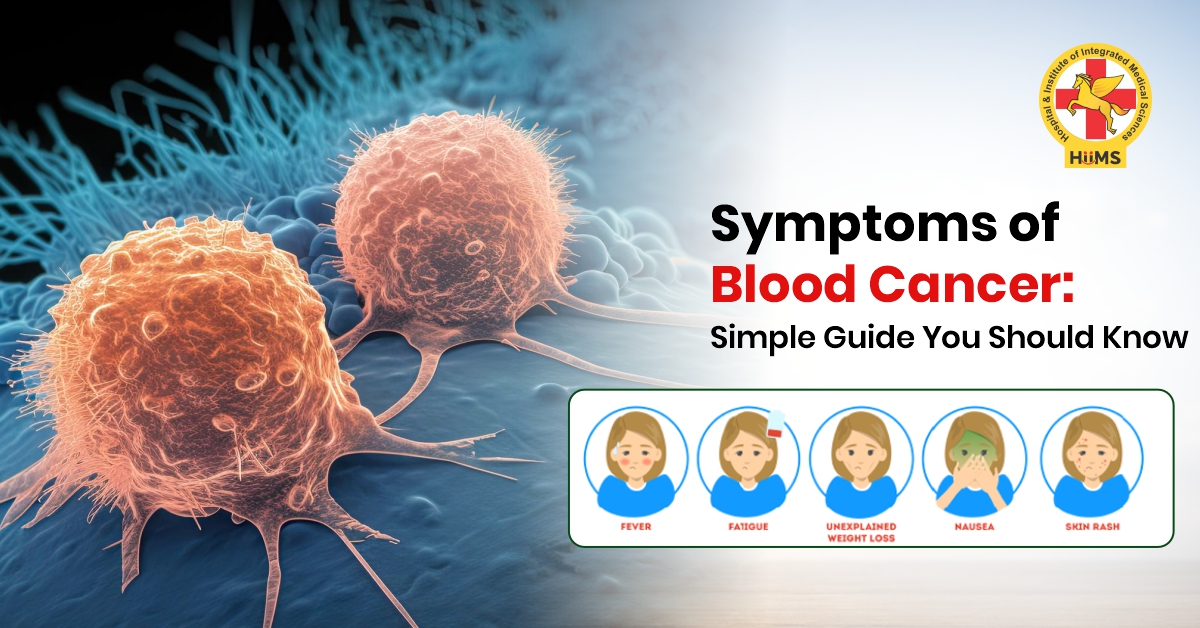

Blood cancer does not always start with a severe warning sign. Many people first notice a tired body, a fever that keeps coming back, a bruise that appears for no clear reason, or a strange heaviness that makes normal work feel harder than it should. Those changes can look ordinary at first, so they are easy to excuse and even easier to delay.
That is exactly why understanding the symptoms of blood cancer is important. When the body keeps sending the same message again and again, it deserves attention, not assumptions.
In this guide, you will learn how the warning signs show up, how leukemia, lymphoma, and myeloma can differ, and when a small change turns into a reason to speak with a doctor. You will also see why some people notice swelling, weight loss, night sweats, or breathlessness before they notice anything else, and how a check can bring mental clarity sooner for peace of mind.
Table of Contents
What Is Blood Cancer?
Blood cancer starts when abnormal cells build up in the blood, bone marrow, or lymphatic system and disturb the normal work of healthy blood cells. That can affect oxygen flow, immunity, and clotting, so the body starts giving warning signals in different ways.
Main Types of Blood Cancer
- In leukemia, the problem starts in the blood and marrow.
- In lymphoma, the lymph system is affected.
- In myeloma, plasma cells in the bone marrow are involved and bones often hurt too.
That is why blood cancer symptoms can look different from one person to another.
Common Symptoms of Blood Cancer You Should Know
Persistent Fatigue and Weakness
One of the initial early signs of blood cancer is a fatigue that rest does not fix. These blood cancer symptoms can look small at first, yet they may keep repeating. A person may feel weak throughout the day and find routine work harder than usual.
Frequent Infections and Slow Recovery
When immunity weakens, simple infections may come back again and again. Fever, cough, sore throat, or slow recovery can become some of the clearer signs of blood cancer.
Easy Bruising or Bleeding
Bruises after small bumps, bleeding gums, nosebleeds, and tiny red spots on the skin can happen when platelet levels fall. These blood cancer warning signs should not be put aside if they repeat.
Swollen Lymph Nodes
Painless swelling in the neck, armpit, or groin is often linked with lymphoma symptoms. The lump may stay for weeks and slowly grow instead of going away.
Bone and Joint Pain
Deep pain in the back, ribs, or joints is often seen in myeloma symptoms. Some people think it is a strain, but pain that stays needs a proper check.
Additional Signs the Body May Show Over Time
Unexplained weight loss, night sweats, pale skin, poor appetite, and breathlessness can also appear together. These are among the common symptoms of blood cancer, especially when they do not disappear with time.
A person may feel full too soon after meals or notice bloating in the abdomen. In some cases, the spleen or liver becomes enlarged, and that can be one of the first signs of blood cancer that gets missed at home.
Blood Cancer Warning Signs According to Different Types
Leukemia Symptoms
With leukemia, people often notice weakness, repeated fever, easy bleeding, and bone pain. These leukemia symptoms may seem like a simple illness in the start, which is why they are often ignored.
Lymphoma Symptoms
Swollen lymph nodes, fever, night sweats, and weight loss are common lymphoma symptoms. The pattern may be slow, but the changes usually keep returning.
Myeloma Symptoms
Myeloma often brings bone pain, weakness, repeated infections, and sometimes kidney-related discomfort. These myeloma symptoms may show up together and affect daily comfort in a steady way.
Possible Causes and Risk Factors of Blood Cancer
Family history, smoking, harmful chemical exposure, radiation, weak immunity, and increasing age can raise the risk in some people. Still, risk factors do not tell the whole story, so repeated body changes should never be ignored.
When Should You Consult a Doctor?
When the symptoms of blood cancer continue for many days, come back repeatedly, or start disturbing normal daily activities, it becomes important to consult a doctor without waiting too long. Doctors may advise blood tests, scans, or a bone marrow test to understand the reason behind these health changes.
At Jeena Sikho HiiMS, the focus stays on early awareness, timely guidance, and support that helps people act before the problem grows.
Conclusion
The symptoms of blood cancer can start as small, easy-to-miss changes, but they become significant when they stay, repeat, or start to affect daily life. A bruise that appears without reason, tiredness that does not ease, or infections that keep returning should never be put aside for too long. The body usually gives hints before it gives big trouble, and reading those hints early can make a difference.
If these signs continue, discuss them with a doctor and get checks done. For health concerns that need expert guidance, you can also opt for an online video consultation (VOPD) with the expert doctors at Jeena Sikho HiiMS.

FAQs
Q1: What are the most common blood cancer symptoms?
The most common changes include tiredness, fever, repeated infections, easy bruising, swollen lymph nodes, and unexplained weight loss.
Q2: Can blood cancer start with mild signs?
It often starts with small changes that seem ordinary at first, which is why many people delay checking them.
Q3: How do leukemia symptoms differ from lymphoma symptoms?
Leukemia usually affects blood and marrow, while lymphoma often shows swollen lymph nodes, fever, and night sweats.
Q4: Why does myeloma cause bone pain?
Myeloma affects plasma cells in the bone marrow, and that can weaken bones and create deep, lasting pain.
Q5: What should happen when symptoms do not go away?
A doctor should check the cause early, because ongoing symptoms may need tests and proper medical guidance.
Ayurvedic Cancer Care Products
100% natural, certified Ayurvedic formulations crafted for targeted cancer wellness.



Disclaimer: The information provided on this blog is for general educational and informational purposes only. It is not intended to replace professional medical advice, diagnosis, or treatment. Always consult a qualified healthcare professional before making any changes to your diet, lifestyle, or treatment plan. Individual results may vary.